


PostGIS is open source extension onf PostgreSQL object-relational database system that allows GIS objects to be stored and allows querying for information and location services. The aim of this book is to help you master the functionalities offered by PostGIS- from data creation, analysis and output, to ETL and live edits. The book begins with an overview of the key concepts related to spatial database systems and how it applies to Spatial RMDS. You will learn to load different formats into your Postgres instance, investigate the spatial nature of your raster data, and finally export it using built-in functionalities or 3th party tools for backup or representational purposes. Through the course of this book, you will be presented with many examples on how to interact with the database using JavaScript and Node.js. Sample web-based applications interacting with backend PostGIS will also be presented throughout the book, so you can get comfortable with the modern ways of consuming and modifying your spatial data.
22. Introduction — Spatial Data Management with Earth Engine
A database management system (DBMS) allows users to store, insert, delete, and update information in a database. Spatial databases go a step further because they record data with geographic coordinates.
supabase/examples/edge-functions/supabase/functions/restful-tasks/index.ts at master · supabase/supabase
The Postgres development platform. Supabase gives you a dedicated Postgres database to build your web, mobile, and AI applications. - supabase/supabase
ParadeDB — Search without a second system
One Postgres for your application data, full-text search, vector retrieval, and aggregations. Home of the pg_search extension.

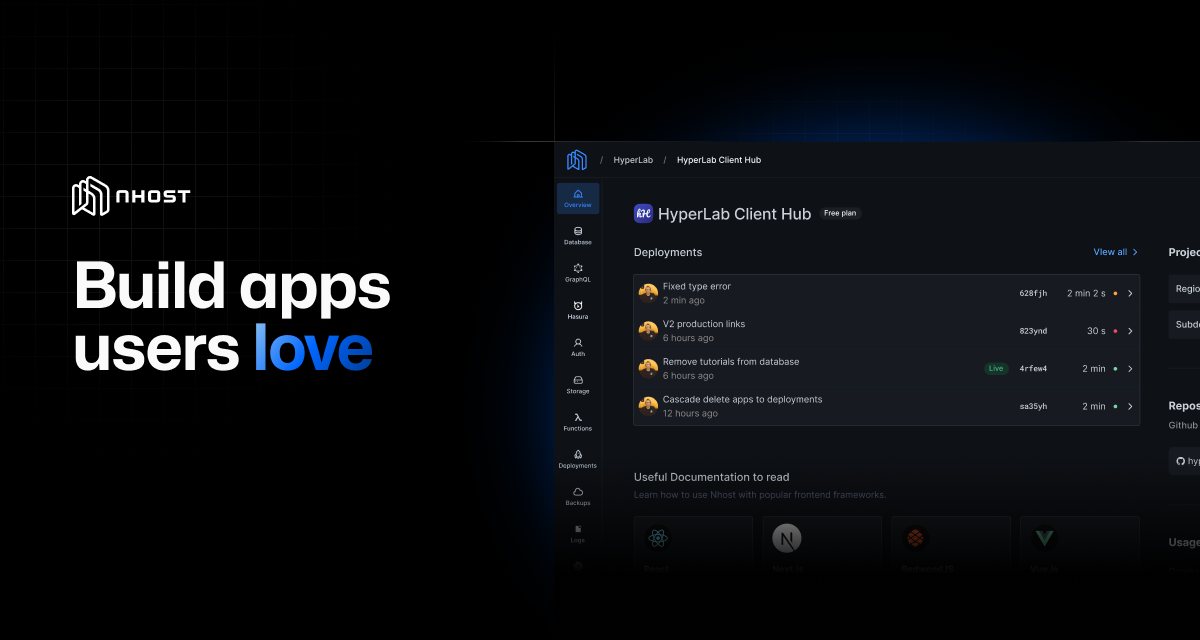
Postgres Backend to Build, Deploy & Scale | Nhost
Nhost is a managed backend platform with Postgres, GraphQL, Auth, Storage, and serverless Functions. Launch in minutes and scale without limits.
pg_crdt - an experimental CRDT extension for Postgres
Embedding Yjs and Automerge into Postgres for collaborative applications.

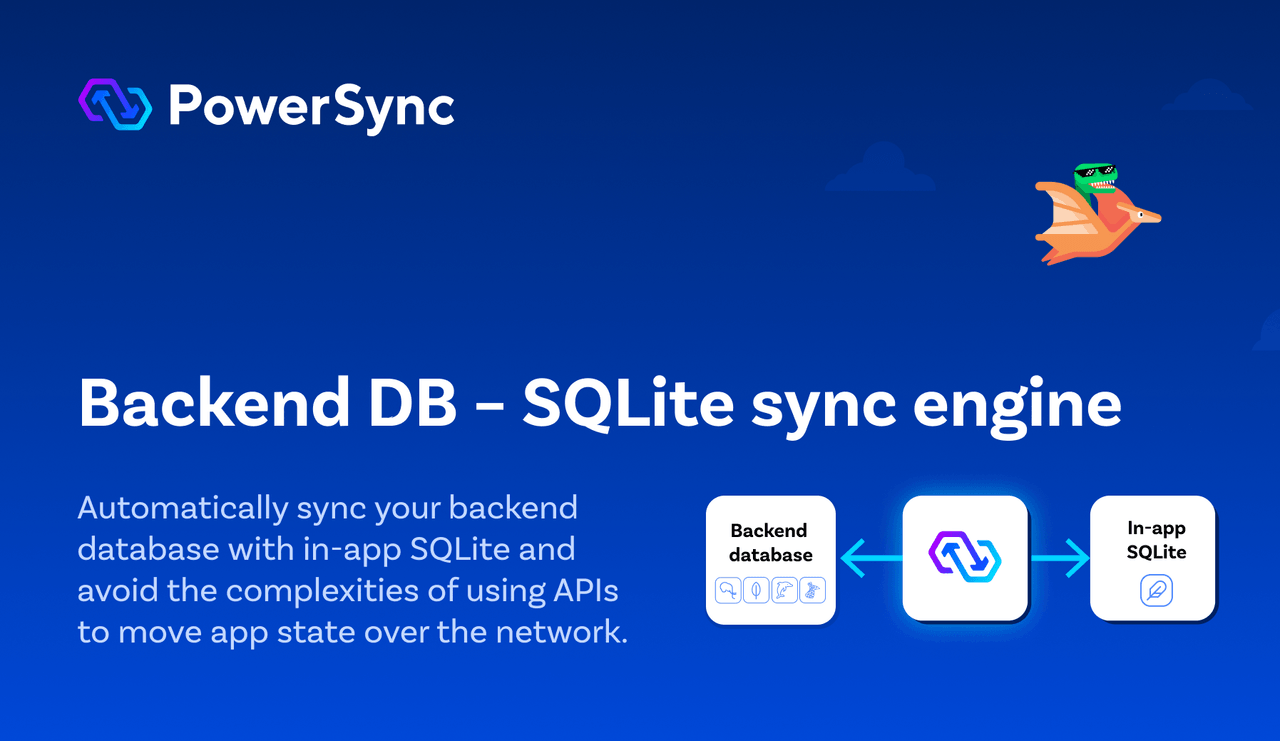
PowerSync: Backend DB - SQLite sync engine | For Postgres, MongoDB, MySQL, SQL Server
Automatically sync your backend database with in-app SQLite and avoid the complexities of using APIs to move app state over the network.

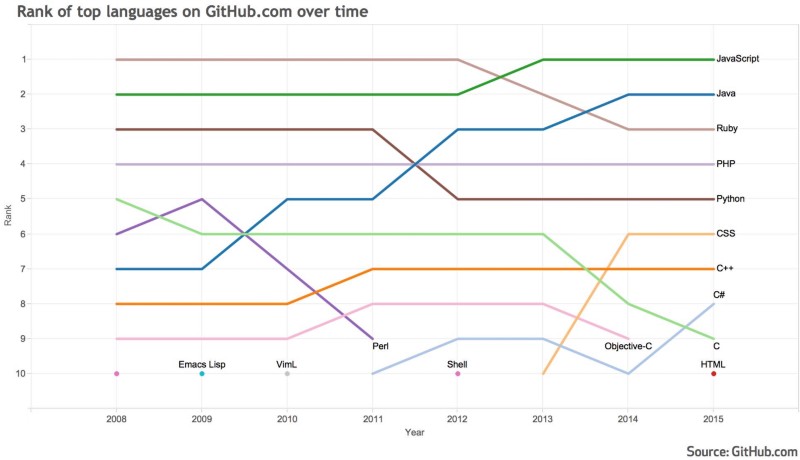
Java, Ruby, and Go, Oh My!
Free Code Camp has focused 100% on full stack JavaScript since we started 17 months ago. We’ve taught JavaScript on the front end, JavaScript on the back end (thanks to the powerful Node.js framework) — and even JavaScript as a database querying lang...
pubkey/rxdb
The local-first database that runs on every JS runtime and replicates with your existing backend - no vendor, no lock-in - https://rxdb.info/
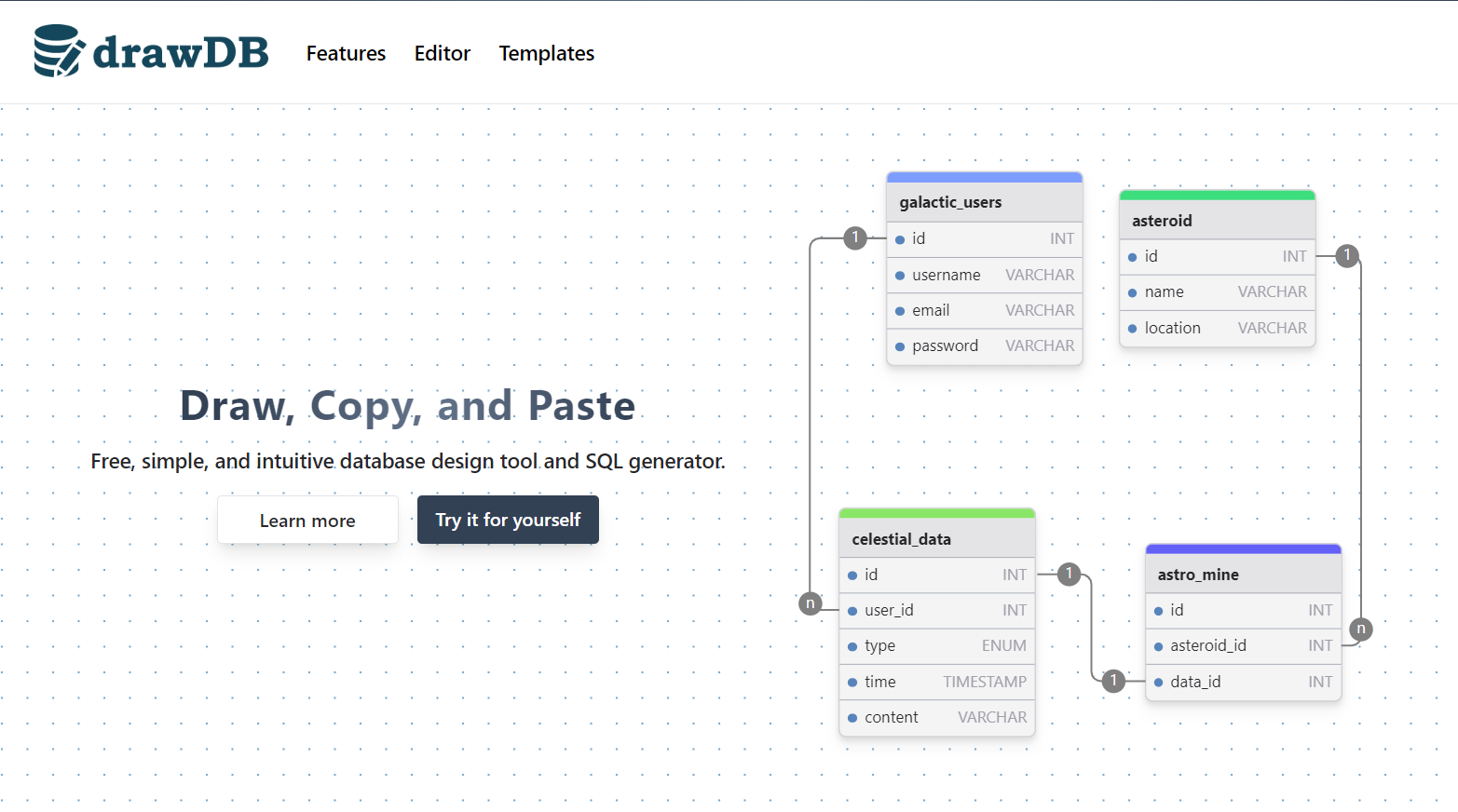
drawDB | Online database diagram editor and SQL generator
Online database entity-relationship diagram editor, data modeler, and SQL generator. Design, visualize, and export scripts without an account and completely free of charge.
TigerFS
A filesystem backed by PostgreSQL, and a filesystem interface to PostgreSQL. TigerFS mounts a database as a directory. Every file is a real row. Writes are transactions. Multiple agents and humans can read and write concurrently with full ACID guarantees, locally or across machines. Any tool that works with files works out of the box.
Relational foundations for functorial data migration | Proceedings of the 15th Symposium on Database Programming Languages
In this paper we present a simple database definition language: that of categories and functors. A database schema is a small category and an instance is a set-valued functor on it. We show that morphisms of schemas induce three ''data migration ...
Google Cloud: Investing in the future of PostgreSQL — 2026 highlights
Google Cloud is committed to open source, and PostgreSQL is a cornerstone of managed database offerings, including Cloud SQL and AlloyDB.

Semantic Data Modeling, Graph Query, and SQL, Together at Last?
Our teams advance the state of the art through research, systems engineering, and collaboration across Google.

Build Your Own Database
A step-by-step guide to building a key-value database from scratch.

GitHub - clarisma/geodesk: Fast and storage-efficient spatial database engine for OpenStreetMap data
Fast and storage-efficient spatial database engine for OpenStreetMap data - clarisma/geodesk