'This century's most compelling theorist of racism and colonialism' Angela Davis Written at the height of the Algerian war for independence from French colonial rule and first published in 1961, Frantz Fanon's Wretched of the Earth has provided inspiration for anti-colonial movements ever since, analysing the role of class, race, national culture and violence in the struggle for freedom. With power and anger, Fanon makes clear the economic and psychological degradation inflicted by imperialism. It was Fanon, himself a psychotherapist, who exposed the connection between colonial war and mental disease, who showed how the fight for freedom must be combined with building a national culture, and who showed the way ahead, through revolutionary violence, to socialism. 'In clear language, in words that can only have been written in the cool heat of rage, he showed us the internal theatre of racism' Deborah Levy
“The World After Gaza”: Author Pankaj Mishra on Gaza & the Return of 19th-C. “Rapacious Imperialism”
Pankaj Mishra’s new book, The World After Gaza: A History, was written as a response to the “vast panorama of violence, disorder and suffering that we’re seeing today,” says the author. In Part 1 of our interview with the award-winning Indian writer, Mishra shares why he “felt compelled” to respond to what he sees as a return to the 19th-century model of “rapacious imperialism” in the Western world, signified by global complicity in Israel’s genocide in Gaza.
Surrealism Against Fascism • EQUATOR
A century ago, artists who survived the trenches captured humanity’s capacity for destruction. What can they teach us about confronting the far-right in a new age of genocide?

The Exterminating Empire: Capitalism’s War on Life from Palestine to the Burning Planet
Taking the ongoing genocide in Palestine as a point of departure, The Exterminating Empire traces capital’s centuries-long war against life itself. From the slave plantations and scorched-earth campaigns of early colonialism, to Vietnam, Haiti, Iraq, and today’s climate apartheid, Chris de Ploeg shows that, not only has exterminatory violence against peoples and ecosystems been central to the imperial project, but omnicidal tendencies—the drive to kill everything—have always been present. Operating at different scales, these tendencies possess the potential to annihilate even the imperial core itself, along with the rest of the planet.Drawing from the revolutionary traditions of the Global South, de Ploeg offers a strategic vision of resistance rooted in class struggle, internationalism, socialism, and ecological justice. The Exterminating Empire gives a coherent worldview to those first politicized by the genocidal violence against Palestinians, and at the same time offers fresh perspectives to the seasoned reader. Whether unearthing the Roman invasions of Palestine, or exhuming the invention of hell, delivering the imperial birth story behind eco-fascism, or brandishing the weaponization of hunger and wage slavery de Ploeg maintains a relentless clarity and momentum, packing shocking facts, historical revelations, and praxis onto every page. This book is both an admonition against the annihilation we face and a survival guide.
The Censorious Left’s Latest Mania: ‘Decolonizing’ Everything
Their obsession with destroying white, euro-centric 'domination,' wherever it may be, has become patronizing and authoritarian.

"Opposer le monde virtuel au monde réel est une erreur" : la réponse de Séverine Erhel à Jonathan Haidt
La chercheuse en psychologie cognitive a apprécié le best-seller "Génération anxieuse" de Jonathan Haidt. Mais elle critique le lien que fait son auteur entre suicide ou dépression chez les mineurs et réseaux sociaux.

Les Résistantes 2025 : il ne suffit pas de ne pas être racistes pour être antiracistes
1. Introduction — Merci 2. Antiracisme et théorie décoloniale 2.1. Se repérer dans les courants a. L’anticolonialisme b. Le postcolonialisme c. Le mouvement décolonial 2.2. Critiques du mouvement d…

Bridging extremes: The intersection of neo-Nazi activism and accelerationism
Modern neo-Nazi accelerationism, influenced by James Mason's Siege, blends violence with activism.
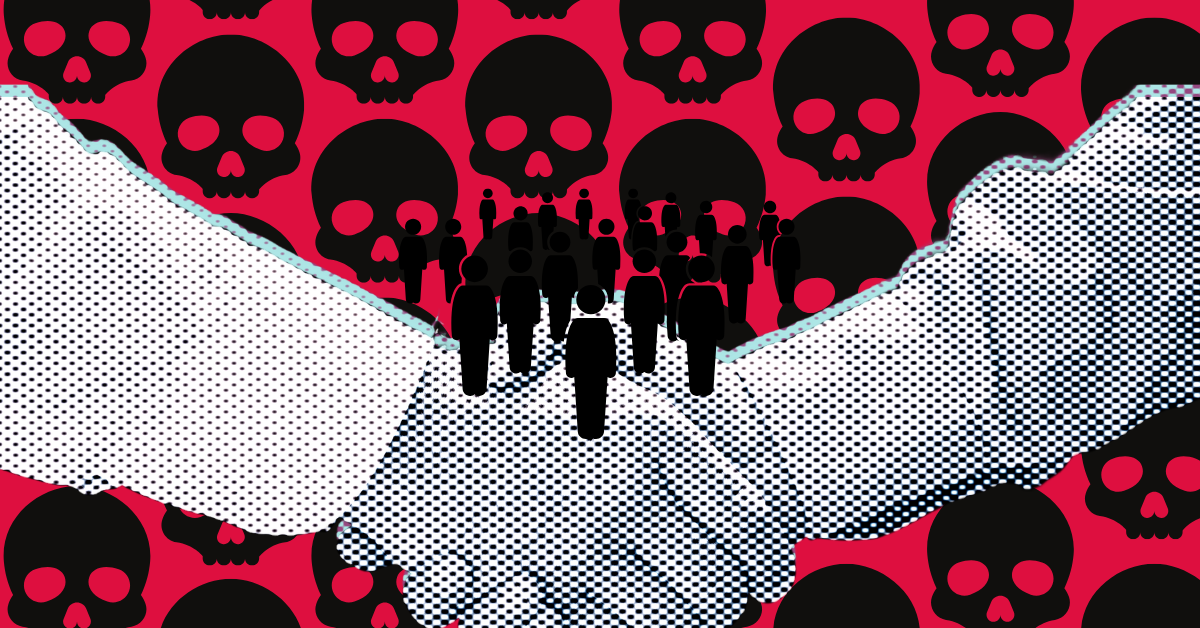
Carrying a Single Life: On Literature and Translation
Can we draw a link between the intricate and often modest work of writers and translators, and the bold and costly actions of activists? Is the work of literature connected to the risks some people undertake to save others? I believe so—because acts of language can themselves be acts of courage, just as both literature and activism alert us to the arbitrary and essentially conventional nature of borders. How can literature help us?

Civilization and Its Discontents
Civilization and Its Discontents is a book by Sigmund Freud, the founder of psychoanalysis. It was written in 1929 and first published in German in 1930 as Das Unbehagen in der Kultur.

Imperialism | The Paper Pilot
The Paper Pilot's digital garden of thoughts on philosophy, politics, and sociology
Early violence is a bad teacher. But the mind can learn anew | Aeon Essays
A world of violence sustains itself through guns, poverty and other social ills, but also through the minds it creates

Eco-Furieuxses on Instagram: "BASTILLE DAY – RÉVOLUTION CLIMATIQUE 14 juillet – 15 h • Place de la Bastille, Paris Signe de ralliement : une couverture de survie sur les épaules en écho à la super initiative de @faiteslabriller Le 14 juillet, TOUT CHANGER SAUF LE CLIMAT rejoint la @marchedesolidarités internationaliste aux côtés de @laveritepouradama , @urgencepalestine et de dizaines d'autres collectifs pour affirmer une évidence : la justice climatique ne peut exister sans justice sociale, antiraciste et décoloniale. Face à l'effondrement climatique, aux inégalités, aux guerres, au racisme, au colonialisme, à l'autoritarisme et aux violences de l'appareil répressif, il est temps de reprendre le pouvoir. Nous refusons que les populations les plus vulnérables paient une crise provoquée par les industries fossiles et un modèle économique fondé sur l'exploitation du vivant. Nous exigeons des mesures immédiates pour protéger les travailleuses, les travailleurs et les personnes les plus exposées aux canicules, ainsi qu'un plan climatique ambitieux : sortie des énergies fossiles, réduction massive des émissions, accès universel à l'eau, au logement, à une alimentation saine : la mise en sécurité sociale des communs, avec un transfert réel du pouvoir vers les quartiers populaires, les territoires et les habitantes et habitants. Parce que la catastrophe climatique est aussi sociale et migratoire, nous défendons la liberté de circulation, le droit d’habiter dignement. Comme l'écrit @fatima_ouassak dans "Écologie pirate", il n'y aura pas d'écologie sans justice décoloniale. Le 14 juillet, faisons tomber les Bastilles du XXIᵉ siècle : le capital fossile, le racisme, le colonialisme, les frontières meurtrières, la répression et les privilèges. Vous ne pouvez pas être à Paris ? Rejoignez une mobilisation locale, participez aux rassemblements organisés près de chez vous le soir devant les préfectures via @alternatiba_ , ou engagez une "grève des achats". Construisons un rendez-vous chaque 14 du mois sous des formes complémentaires : rassemblements, marchés, grève des achats avec @les14sansachat Faisons de ce 14 juillet le début de la révolution du XXIe siècle. Graphisme par @eco.lolo"
831 likes, 68 comments - toutchangersaufleclimat on July 9, 2026: "BASTILLE DAY – RÉVOLUTION CLIMATIQUE 14 juillet – 15 h • Place de la Bastille, Paris Signe de ralliement : une couverture de survie sur les épaules en écho à la super initiative de @faiteslabriller Le 14 juillet, TOUT CHANGER SAUF LE CLIMAT rejoint la @marchedesolidarités internationaliste aux côtés de @laveritepouradama , @urgencepalestine et de dizaines d'autres collectifs pour affirmer une évidence : la justice climatique ne peut exister sans justice sociale, antiraciste et décoloniale. Face à l'effondrement climatique, aux inégalités, aux guerres, au racisme, au colonialisme, à l'autoritarisme et aux violences de l'appareil répressif, il est temps de reprendre le pouvoir. Nous refusons que les populations les plus vulnérables paient une crise provoquée par les industries fossiles et un modèle économique fondé sur l'exploitation du vivant. Nous exigeons des mesures immédiates pour protéger les travailleuses, les travailleurs et les personnes les plus exposées aux canicules, ainsi qu'un plan climatique ambitieux : sortie des énergies fossiles, réduction massive des émissions, accès universel à l'eau, au logement, à une alimentation saine : la mise en sécurité sociale des communs, avec un transfert réel du pouvoir vers les quartiers populaires, les territoires et les habitantes et habitants. Parce que la catastrophe climatique est aussi sociale et migratoire, nous défendons la liberté de circulation, le droit d’habiter dignement. Comme l'écrit @fatima_ouassak dans "Écologie pirate", il n'y aura pas d'écologie sans justice décoloniale. Le 14 juillet, faisons tomber les Bastilles du XXIᵉ siècle : le capital fossile, le racisme, le colonialisme, les frontières meurtrières, la répression et les privilèges. Vous ne pouvez pas être à Paris ? Rejoignez une mobilisation locale, participez aux rassemblements organisés près de chez vous le soir devant les préfectures via @alternatiba_ , ou engagez une "grève des achats". Construisons un rendez-vous chaque 14 du mois sous des formes complémentaires : rassemblements, marchés, grève des achats avec @les14sansachat Faisons de ce 14 juillet le début de la révolution du XXIe siècle. Graphisme par @eco.lolo".

Marxism & the Global South
A critical history of imperialism and dependency theory, from Marx on colonialism and Eurocentrism to Baran, Frank, Wallerstein, and Samir Amin.
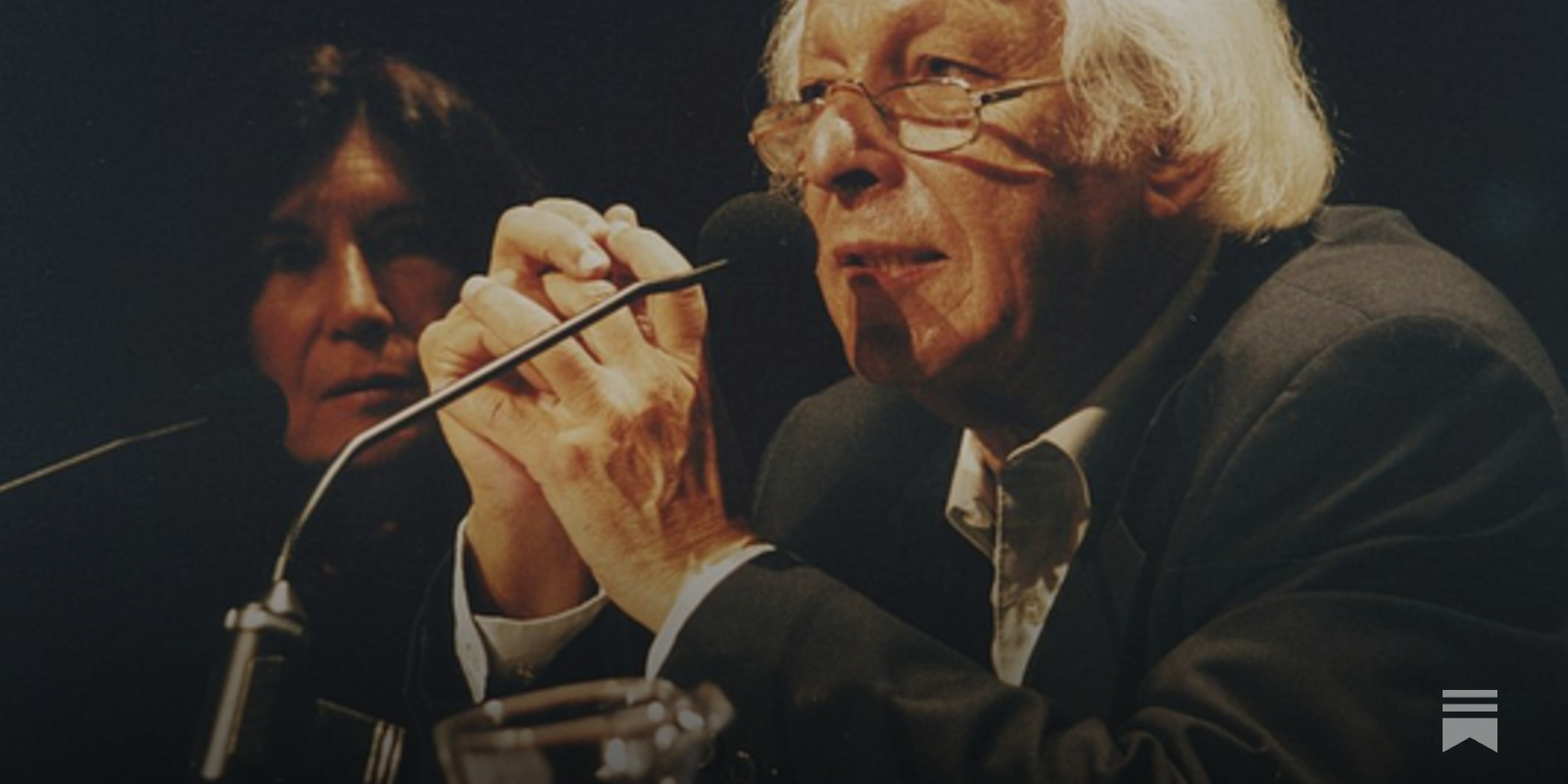
Marxism & the Global South
A critical history of imperialism and dependency theory, from Marx on colonialism and Eurocentrism to Baran, Frank, Wallerstein, and Samir Amin.
The role of literature as the key to personal freedom | Aeon Essays
Stripped of easy moralising, literature makes us relish the search for truth in an age when many believe truth to be dead

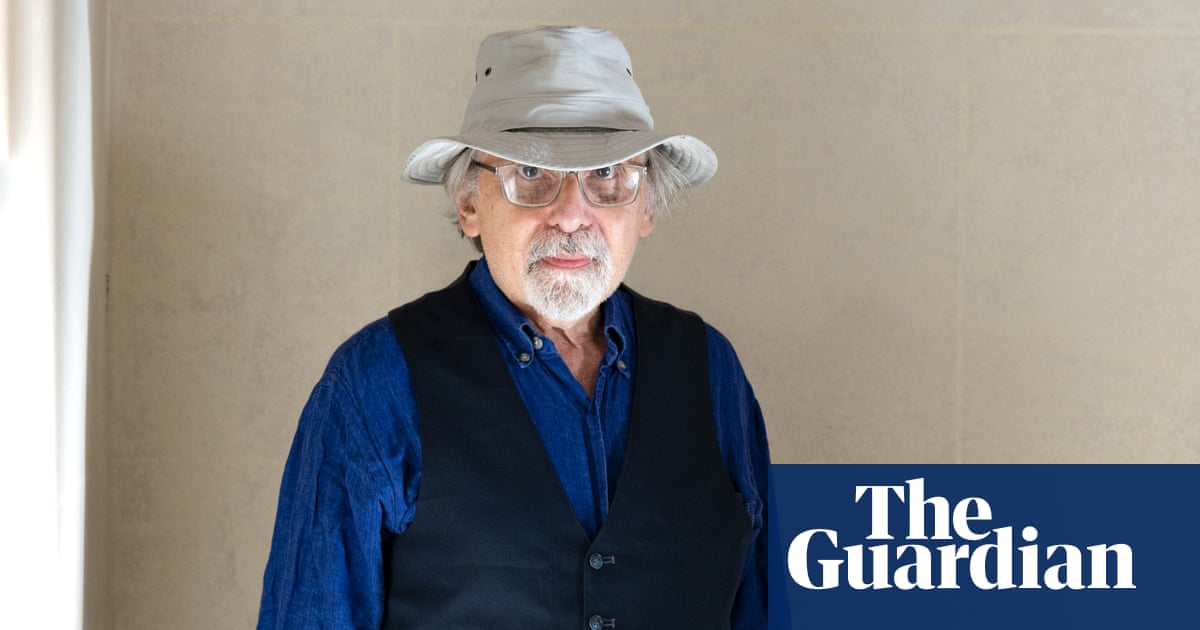
Art Spiegelman: ‘The US needs a counter-revolution’
More than four decades after his Holocaust story Maus transformed the graphic novel genre, Art Spiegelman discusses Trump, the shadow of 9/11 and the rise of fascism in America