

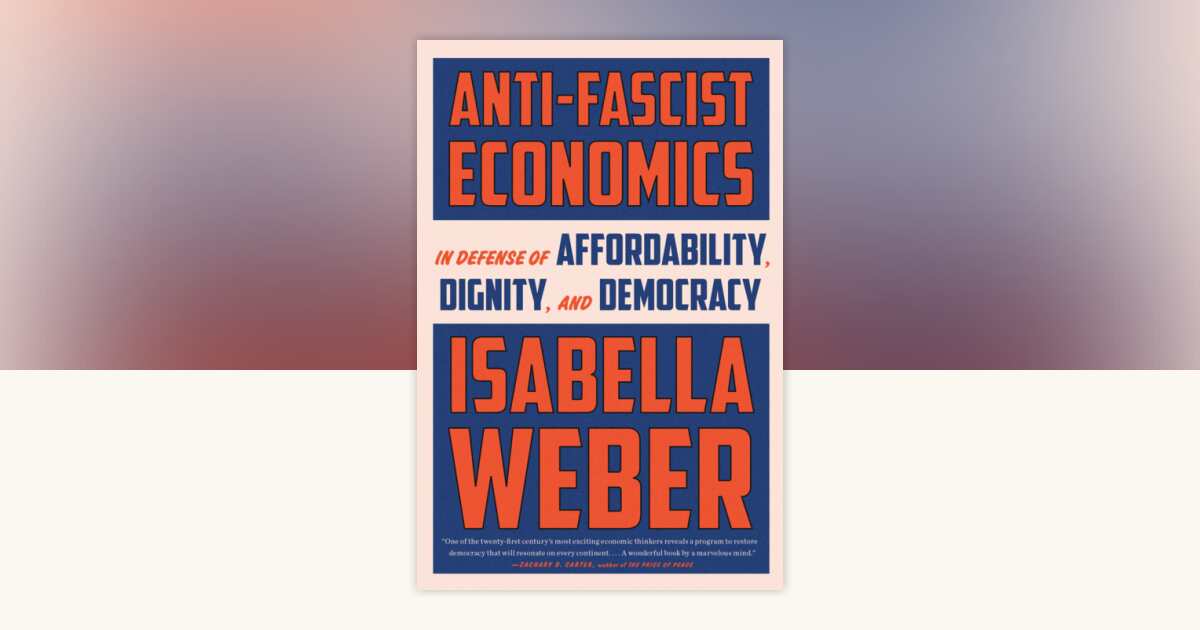
As inequality, inflation, and overwhelming corporate power threaten democracy, a rising-star economist asks what it would mean to create an anti-fascist economics that guarantees dignity for all....
What if We’re Thinking About Inflation All Wrong?
Isabella Weber’s heterodox ideas about government price controls are transforming policy in the United States and across Europe.

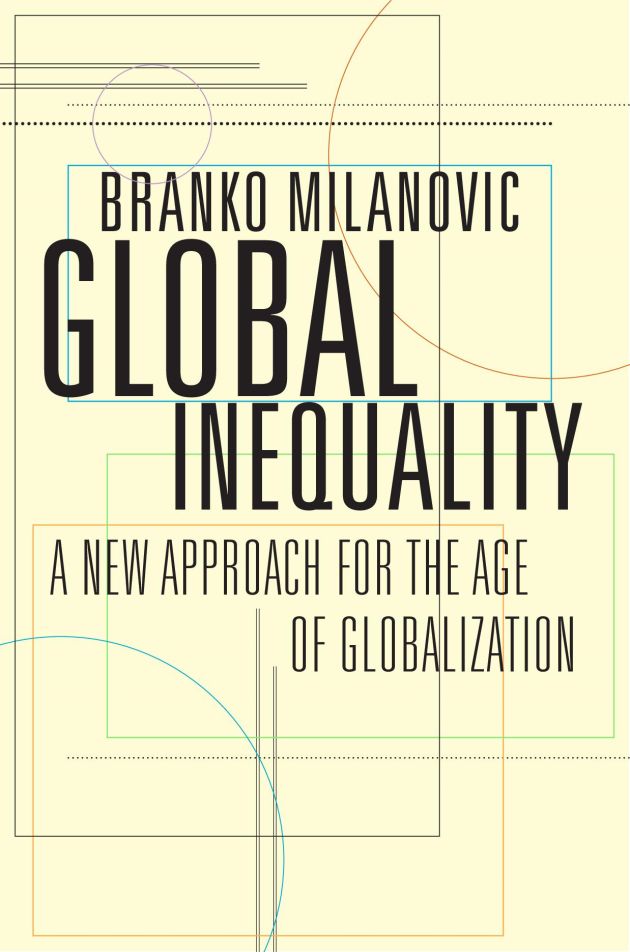
Global Inequality — Harvard University Press
Winner of the Bruno Kreisky Prize, Karl Renner InstitutA Financial Times Best Economics Book of the Year An Economist Best Book of the Year A Livemint Best Book of the YearOne of the world’s leading economists of inequality, Branko Milanovic presents a bold new account of the dynamics that drive inequality on a global scale. Drawing on vast data sets and cutting-edge research, he explains the benign and malign forces that make inequality rise and fall within and among nations. He also reveals who has been helped the most by globalization, who has been held back, and what policies might tilt the balance toward economic justice.“The data [Milanovic] provides offer a clearer picture of great economic puzzles, and his bold theorizing chips away at tired economic orthodoxies.”—The Economist“Milanovic has written an outstanding book…Informative, wide-ranging, scholarly, imaginative and commendably brief. As you would expect from one of the world’s leading experts on this topic, Milanovic has added significantly to important recent works by Thomas Piketty, Anthony Atkinson and François Bourguignon…Ever-rising inequality looks a highly unlikely combination with any genuine democracy. It is to the credit of Milanovic’s book that it brings out these dangers so clearly, along with the important global successes of the past few decades.—Martin Wolf, Financial Times
Le rôle des politiques non monétaires dans la lutte contre l’inflation
Blog de sciences économiques et sociales de Martin Anota. Traductions, revues de presse.

'End Times Fascism' and the billionaires gambling with humanity's future
Naomi Klein and Astra Taylor expose how fascism, religious extremism and billionaire tech elites are pushing humanity towards catastrophe in their chilling new book, 'End Times Fascism'.
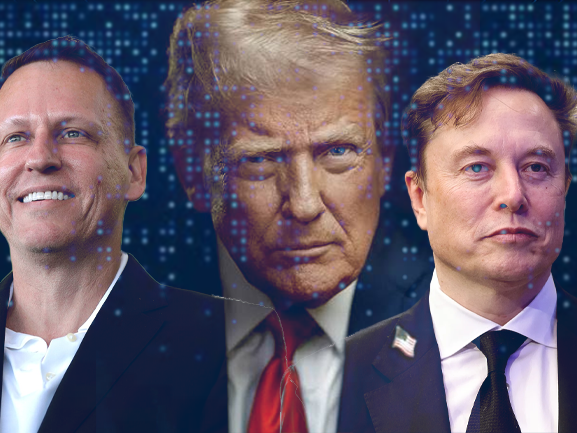

Naomi Klein’s new book calls out end times fascism. What is this – and what’s the role of big tech?
Two new books, End Times Fascism and Nerd Reich, take a hard look at fascism today – and its intersections with big tech.
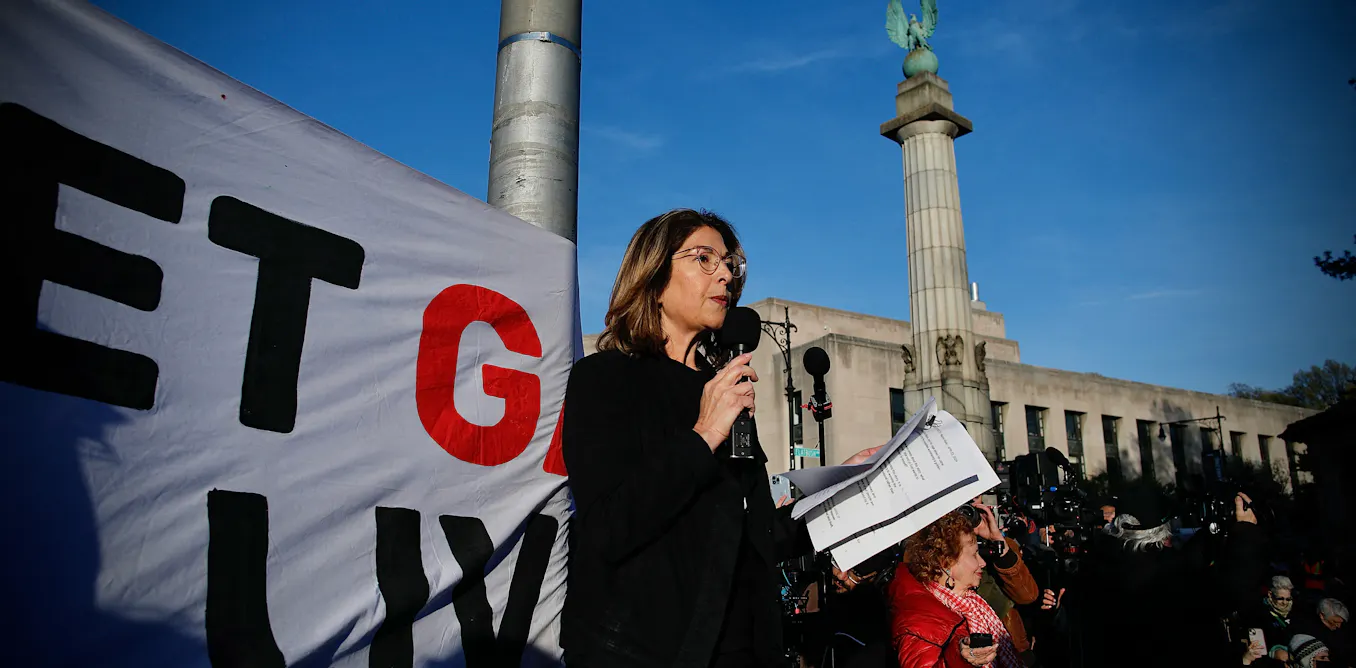
Naomi Klein’s new book calls out end times fascism. What is this – and what’s the role of big tech?
Two new books, End Times Fascism and Nerd Reich, take a hard look at fascism today – and its intersections with big tech.
Opinion | Be Afraid of Economic ‘Bigness.’ Be Very Afraid. (Published 2018)
In the 1930s it contributed to the rise of fascism. Alarmingly, we are experimenting again with a monopolized economy.

Power: A Primer for Perplexed Economists
Let's Assume an Unfettered Marketplace of Ideas! Or Actually, Let's Not.
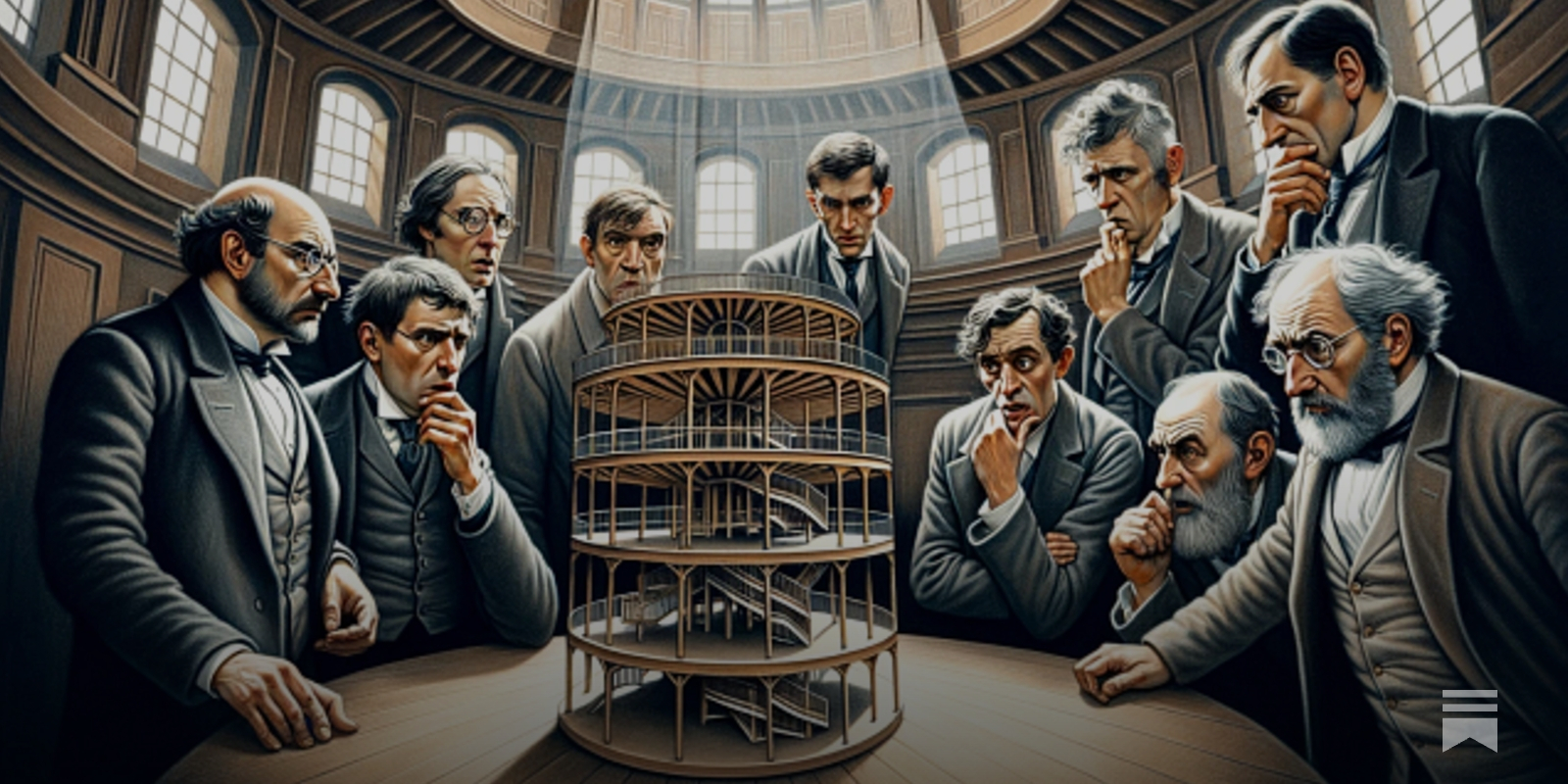
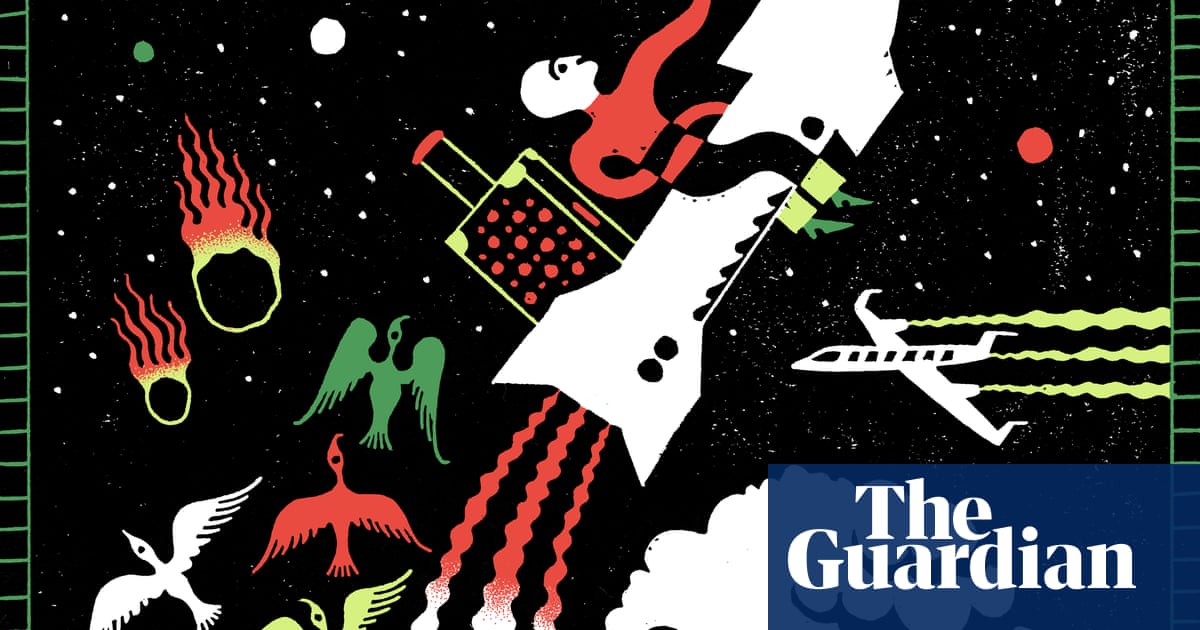
The end times fascists are plotting their escape from our world. Our mission is clear | Naomi Klein and Astra Taylor
An unholy alliance is working toward an apocalyptic future from which only a chosen few will emerge unscathed. It’s becoming clear how we stop them
annotations: L’inflation est un problème politique
Blog de sciences économiques et sociales de Martin Anota. Traductions, revues de presse.
Fascism | The Paper Pilot
The Paper Pilot's digital garden of thoughts on philosophy, politics, and sociology
Le nouveau capitalisme (1/3)
Traduction de "New capitalism in America. Richest capitalists and richest workers are increasingly the same people" de Branko Milanovic

annotations: Six croyances que j'ai à propos de l’inflation
Blog de sciences économiques et sociales de Martin Anota. Traductions, revues de presse.
Neoliberal Fascism as the Endpoint of Casino Capitalism
This article explores neoliberal fascism as a distinctive political formation within the current historical moment. In doing so, it first analyzes neoliberalism as a project that has since the 1970s destroyed all the commanding institutions of democracy while consolidating power in the hands of a financial elite. In addition, it analyzes neoliberalism as a movement, that produces and legitimates massive economic inequality and suffering, privatizes public goods, dismantles essential government agencies, and individualizes all social problems. Under such circumstances, neoliberalism creates the conditions for right wing extremists to mobilize the anger of white disenfranchised working class populations by both appealing to the economic injustices they experience while simultaneously blaming and directing their frustrations towards non-white minority groups such as immigrants, blacks, and Muslims. It is precisely this merging of the social, political, and economic hardships produced by neoliberal capitalism and its appropriation of the discourse of white supremacy to divert attention from its worst excesses and failures that a neoliberal fascism is produced. Â More specifically, I argue that in the face of 40 years of neoliberalism with its production of massive inequality, a frontal attack on the welfare state, and the erosion of civic institutions and culture, there has been a resurgence of fascist discourses and a populist fascist political movement. Neoliberal fascism represents the conjoining of the most extreme elements of casino capitalism with the discourses of racial cleansing, and white nationalism. The article concludes by examining how atomization, fear, and anxiety have become the breeding grounds of fascism and what it means to revive education as a central tenet of politics so as to address the task of not simply resisting oppressive economic structures, but also what it means to engage in the massive challenge of changing individual and collective consciousness as a precondition for collective struggle and the building of new social movements. Author Biography Henry Giroux, McMaster University Chair for Scholarship in the Public Interest The Paulo Freire Distinguished Scholar in Critical Pedagogy