


David explores how social media traps us into feeling watched and judged. Read here.
No Sense of Place: The Impact of Electronic Media on Social Behavior
Electronic media present us with a collage of experiences from everyplace. We eat dinner at home while watching starving children thousands of miles away reach out to us for food. From our easy chairs, we stare at blindfolded hostages, and coolly

How Social Media Tricks our Brains — and Destroys our Politics - Aaron Ross Powell's Blog
How Social Media Brings Out the Worst in Us
A new book argues that social media does more harm than good and we might be happier and healthier using it less.
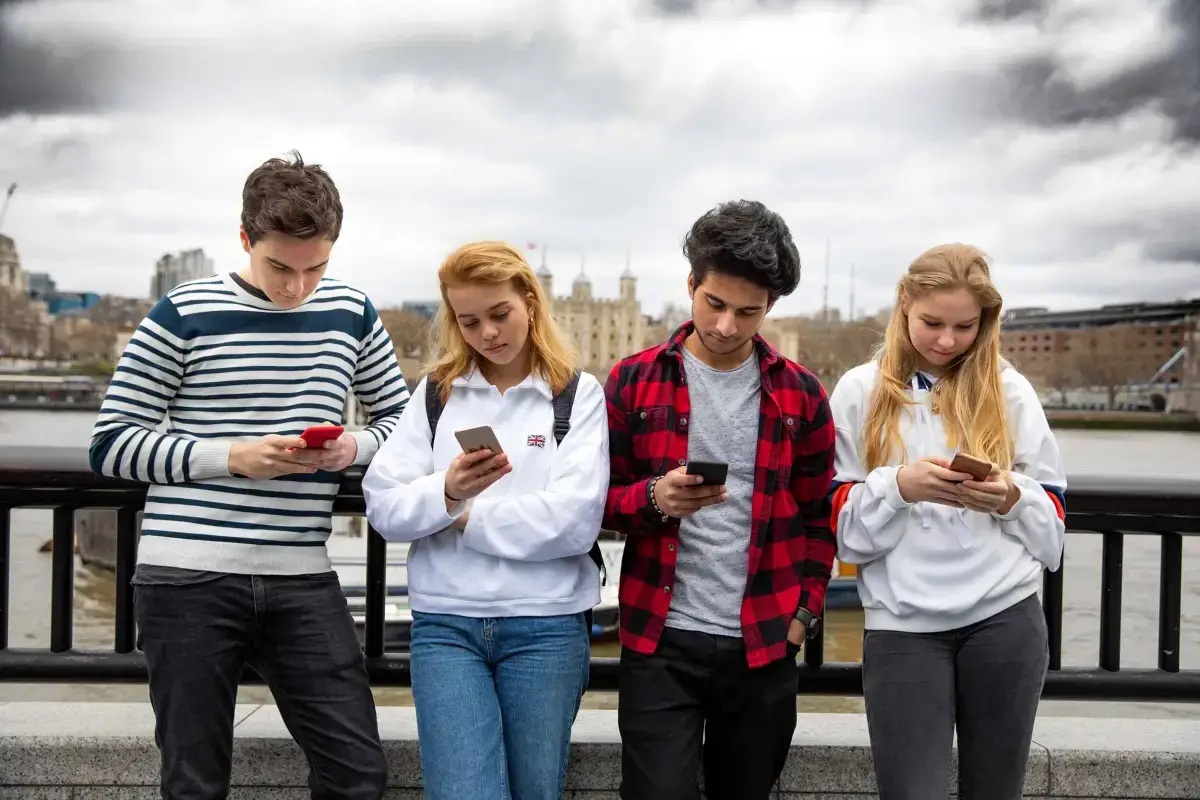
Social Media Is Now Parasocial Media
When practitioners used the term “social media” to describe the internet tools that emerged in the mid-aughts, they were giving a name to the kinds of platforms and protocols that allowed people to socialize with friends and communities of interest by using digital technologies. Twenty years later, users of social media are far more likely to scroll than post – and the content that they consume is often strategically produced and algorithmically curated. In this essay, I argue that the very essence of social media has changed. To more effectively interrogate what we are witnessing, we need to stop presuming that these tools are “social media” and begin recognizing that they are now “parasocial media.” Doing so raises new questions about digitally mediated sociality, not to mention the politics and governance of these platforms.

Measuring The Health of Our Public Conversations - Cortico
By Deb Roy, Eugene Yi, Russell Stevens Published: March 1, 2018 The Internet and social media have transformed modern society in many positive ways by connecting us to the world’s information, enabling social connections that transcend space and time, and giving everyone a voice. Within this transformation, social media have become an essential part of
How The Enshittification Of Social Media Is Decreasing The Switching Costs And Enabling Something New
In the last few weeks I’ve written about how Elon Musk’s “changes” to how Twitter is running have done an amazing job convincing people to join Mastodon. And I’ve also…

The Danger of Exaggerating the Political Importance of Social Media - Cal Newport
The Pew Research Center recently released a new study on American Twitter use. As Jennifer Rubin reported in the Washington Post, one of the most ... Read more
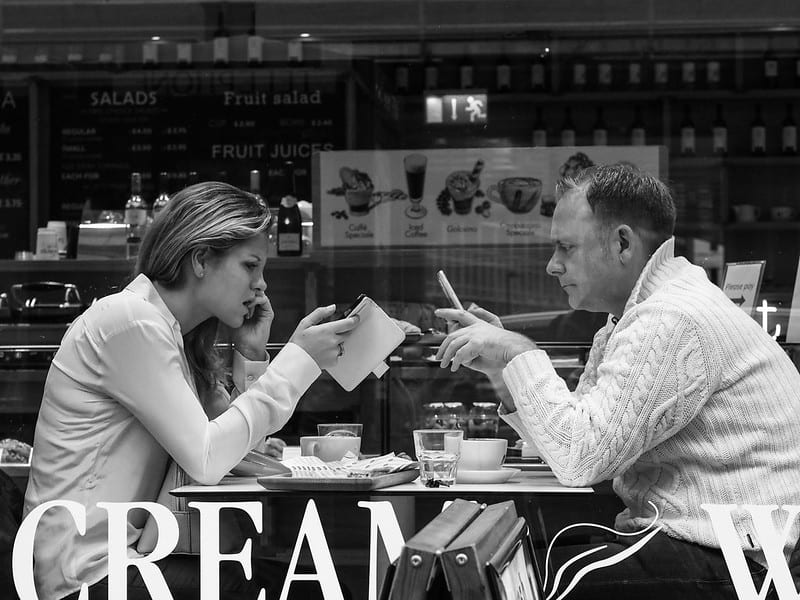
The Social Media Sea Change
What happens when the thing that structured so much of our lives loses its utility?


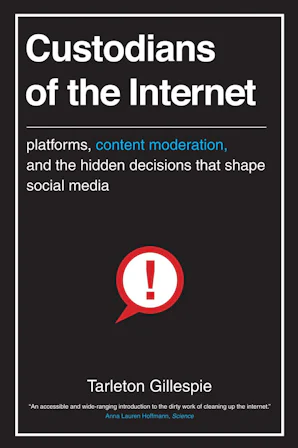
Custodians of the Internet
A revealing and gripping investigation into how social media platforms police what we post online—and the large societal impact of these decisions Most use...
Social Media | The Paper Pilot
The Paper Pilot's digital garden of thoughts on philosophy, politics, and sociology
How social media is fueling an intense form of romantic obsession
The digital world is primed to fuel episodes of profound infatuation known as limerence.
Sources on social media: Information context collapse and volume of content as predictors of source blindness - George Pearson, 2021
Although social media has become a primary news platform, the effects of social media features on users’ information processing remains under-explored. This stu...
What the Hell is Going On? - David Perell
David shares how the new age of information abundance is transforming commerce, education, and politics. Read here.

Social media algorithms don't allow us to understand or control what we see online and why... until now! Top scholars @jonathanstray.com and @noupside.bsky.social are sharing @mysky.social, a tool that allows users to adjust their feed’s priorities and explains why certain posts appear over others.

🎛️📲 Meet the algorithm you can actually control and understand
newpublic.substack.com🐝 Social Media (SB Commentary)

things I said about social media

Bee 🐝 (@sweetbee.vip)
Bee 🐝 (@sweetbee.vip)
Bee 🐝 (@sweetbee.vip)
