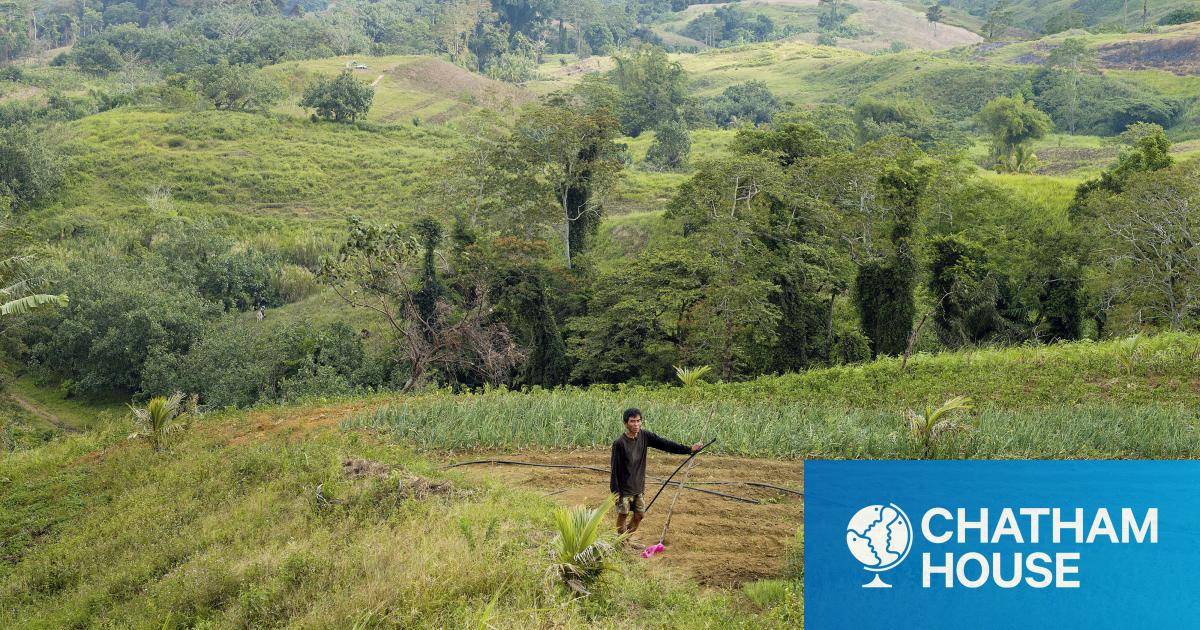
Download the files at the bottom of this page.We identified and developed a number of simple tests which can be used by researchers and practitioners throughout the world. These include tests for measuring biodiversity, soil quality and cropping.
RootShoot Soils | Enhance Soil Health Today
RootShoot Soils specializes in biology-first soil testing and restoration to promote resilient agriculture and landscapes. Discover our soil health services and projects.
Vivian Kaloxilos - Introduction to Living Soils - LSSM 2017
A Soil-Science Revolution Upends Plans to Fight Climate Change | Quanta Magazine
A centuries-old concept in soil science has recently been thrown out. Yet it remains a key ingredient in everything from climate models to advanced carbon-capture projects.
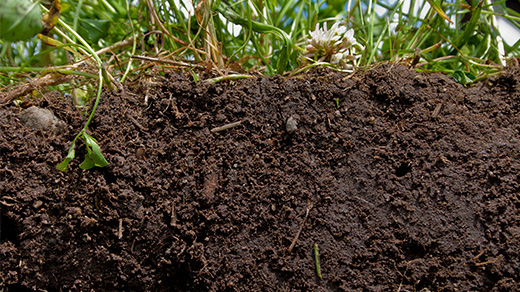
Measuring biodiversity: research into approaches
This report considers methodologies for measuring biodiversity at site-level for use in Scotland.

Dirt Poor: Have Fruits and Vegetables Become Less Nutritious?
Because of soil depletion, crops grown decades ago were much richer in vitamins and minerals than the varieties most of us get today
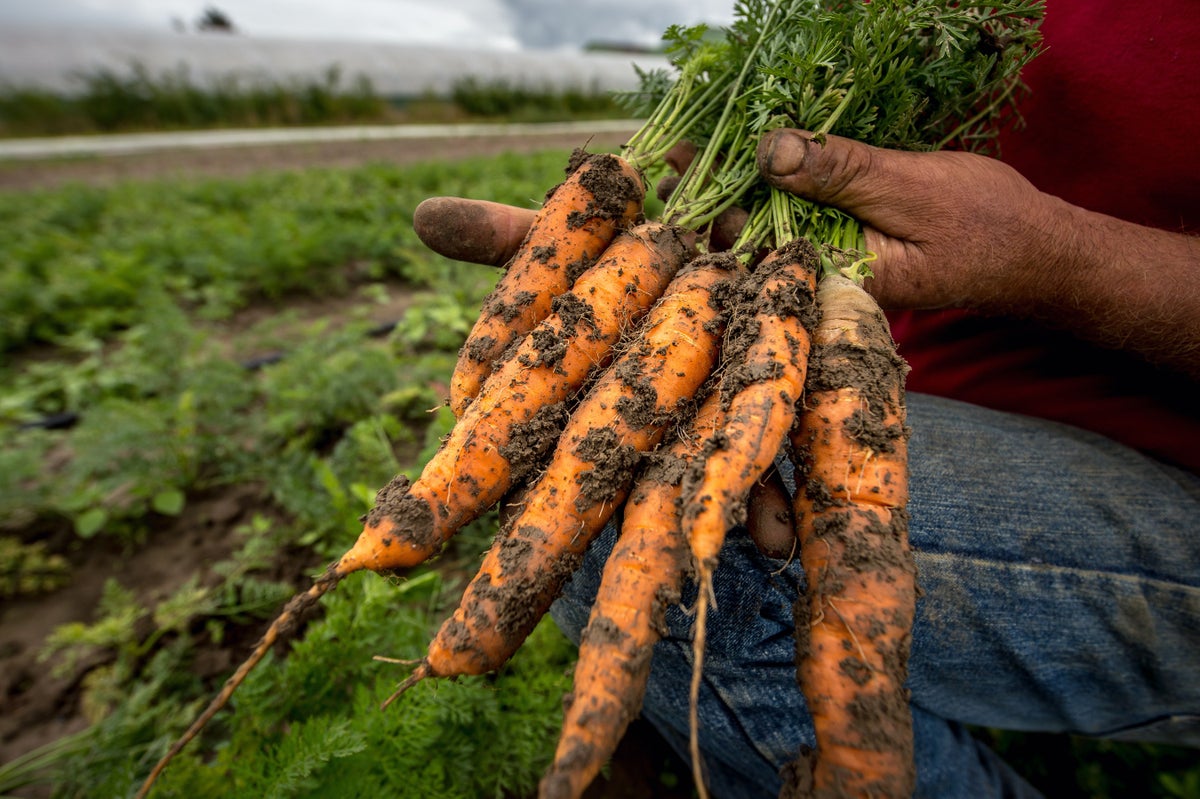
‘Soil is more important than oil’: inside the perennial grain revolution
Scientists in Kansas believe Kernza could cut emissions, restore degraded soils and reshape the future of agriculture

Benefits of Native Mycorrhizal Amendments to Perennial Agroecosystems Increases with Field Inoculation Density
Perennial polyculture cropping systems are a novel agroecological approach used to mirror some of the ecological benefits provided by native perennial ecosystems including increased carbon and nitrogen storage, more stable soils, and reduced anthropogenic input. Plants selected for perennial agroecosystems are often closely related to native perennials known to be highly dependent on microbiome biota, such as arbuscular mycorrhizal (AM) fungi. However, most plantings take place in highly disturbed soils where tillage and chemical use may have rendered the AM fungal communities less abundant and ineffective. Studies of mycorrhizal amendments include inoculation densities of 2–10,000 kg of inocula per hectare. These studies report variable results that may depend on inocula volume, composition, or nativeness. Here, we test the response of 19 crop plant species to a native mycorrhizal fungal community in a greenhouse and field experiment. In our field experiment, we chose eight different densities of AM fungal amendment, ranging from 0 to 8192 kg/hectare, representing conventional agricultural practices (no AM fungi addition), commercial product density recommendations, and higher densities more typical of past scientific investigation. We found that plant species that benefited from native mycorrhizal inocula in the greenhouse also benefited from inoculation in the field polyculture planting. However, the densities of mycorrhizal inocula suggested on commercial mycorrhizal products were ineffective, and higher concentrations were required to detect significant benefit plant growth and survival. These data suggest that higher concentrations of mycorrhizal amendment or perhaps alternative distribution methods may be required to utilize native mycorrhizal amendment in agroecology systems.
List of Dr. RedHawk's Epic Soil Series Threads (soil forum at permies)
( This is a list of--hopefully--all of Bryant RedHawk's awesome threads about soil microbiology. Is it dirt or is it soil?
List of Dr. RedHawk's Epic Soil Series Threads (soil forum at permies)
( This is a list of--hopefully--all of Bryant RedHawk's awesome threads about soil microbiology. Is it dirt or is it soil?
GainForest — Biodiversity Observations & Nature Projects
Explore field observations, biodiversity records, and nature projects from communities and organizations using GainForest.

GainForest — Biodiversity Observations & Nature Projects
Explore field observations, biodiversity records, and nature projects from communities and organizations using GainForest.
GainForest — Biodiversity Observations & Nature Projects
Explore field observations, biodiversity records, and nature projects from communities and organizations using GainForest.
Excess phosphorus from compost applications in urban gardens creates potential pollution hotspots
Abstract Urban sustainability initiatives often encompass such goals as increasing local food production, closing nutrient loops through recycling organic waste, and reducing water pollution. However, there are potential tradeoffs among these desired outcomes that may constrain progress. For example, expansion of urban agriculture for food production may create hotspots of nutrient pollution if nutrient recycling is inefficient. We used gardener and urban farmer survey data from the Twin Cities Metropolitan Area (Minnesota, USA) to characterize phosphorus (P) and nitrogen (N) inputs and harvest in order to determine nutrient use efficiencies, and measured soil P concentrations at a subset of these sites to test whether excess soil P was common. All survey respondents (n = 142) reported using some form of soil amendment, with plant-based composts being the most common. Median application rates were 300 kg P/ha and 1400 kg N/ha. Median nutrient use efficiencies were low (2.5% for P, 5.0% for N) and there was only a weak positive relationship between P and N inputs and P and N harvested in crop biomass. Garden soils had a median Bray P value of 80 ppm, showing a buildup of plant-available P far exceeding recommended levels. Our results show that urban gardens are characterized by high nutrient inputs and inefficient conversion of these nutrients into crops, leading to buildup and potential loss of P and N from garden soils. Although urban gardens make up only 0.1% of land area in the Twin Cities, compost application to these urban gardens still constitutes one of the largest inputs of P to the watershed. In order to maximize desired outcomes from the expansion of urban agriculture (UA), it will be necessary to target soil amendments based on soil nutrient levels and crop nutrient demand.
openfarmcc/OpenFarm
A free and open database for farming and gardening knowledge. You can grow anything!
openfarmcc/OpenFarm
A free and open database for farming and gardening knowledge. You can grow anything!
Food system impacts on biodiversity loss
Global food production is the key driver of accelerating biodiversity loss. This paper introduces three levers for reducing pressures on land and creating a more sustainable food system.