Join the Phone-Free Schools Movement to create healthier, more focused school days. We help schools implement bell-to-bell phone-free policies that boost learning, safety, and student well-being.
'Life needs to be more like this': Some bars and restaurants are going phone free
It's not just schools that are banning cellphones. Some bars and restaurants are joining the offline trend.

Smartphone Bans, Student Outcomes and Mental Health
How smartphone usage affects well-being and learning among children and adolescents is a concern for schools, parents, and policymakers. Combining detailed admi

More than Half of Public School Leaders Say Cell Phones Hurt Academic Performance | IES
Most schools have policies that restrict cell phone use during class, with many citing negative impacts on attention and performance.
Childhood and Education #20: Phones and Screens
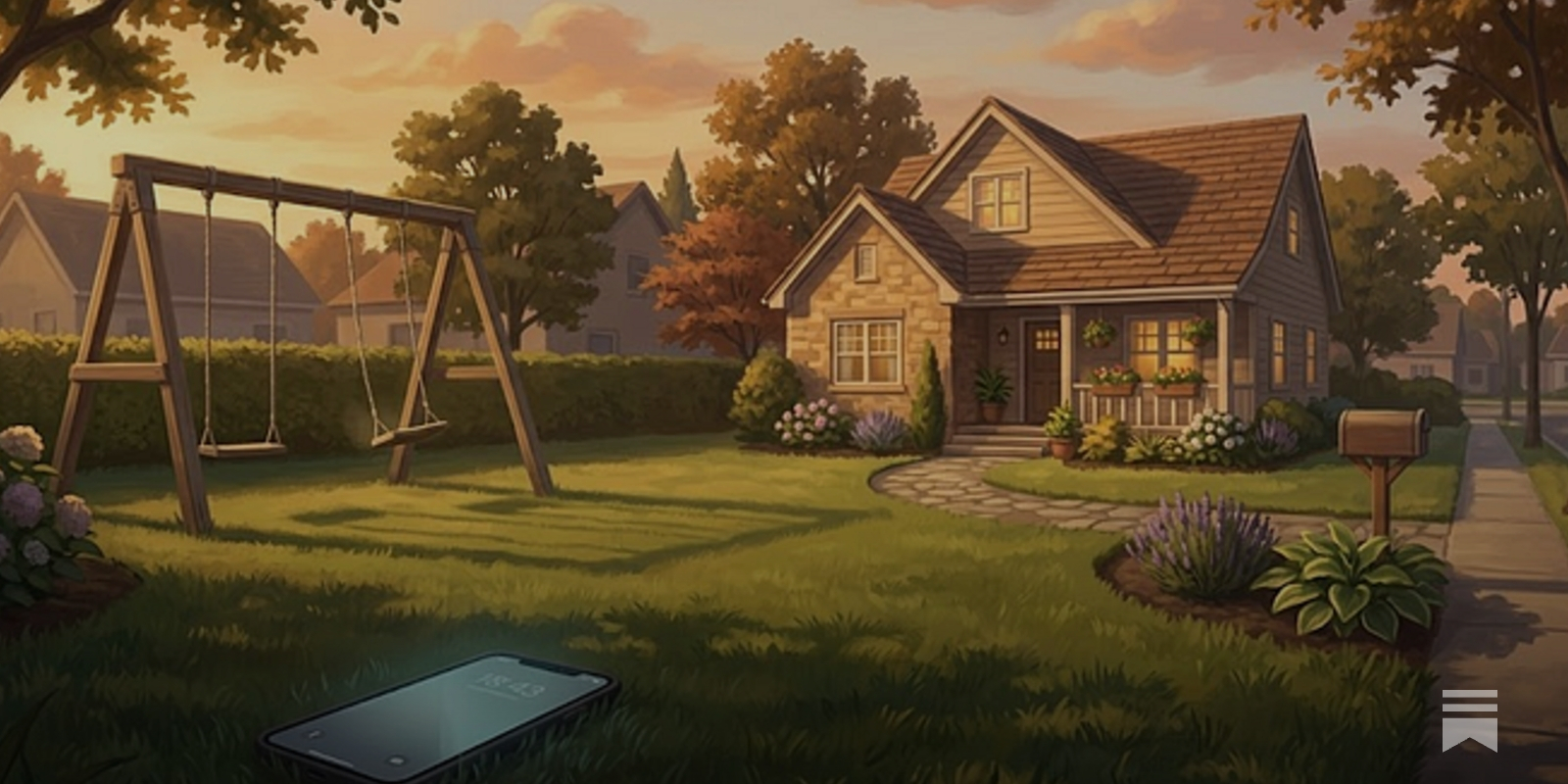
We have a respite, so I thought I’d tackle various thoughts on children, phones and screens.
Innovative Time Strategies for Schools | Unlocking Time
Explore free resources about innovative time strategies to fuel student-centered learning in schools -- includes tools, case studies and opportunities to dig deeper.
Too risky for the road but safe for schools? Rethinking smart glasses in the science classroom
This paper critically examines the governance of smart glasses in K-12 science education, using science classrooms as a case through which policy design challenges become visible. We position these wearable technologies not only as tools of pedagogical innovation but as governance challenges requiring regulatory attention. The vendors of smart glasses claim that their devices enhance real-time visualisation, support hands-free inquiry, and personalise activity. Yet, despite increased consumer availability and promotion by vendors, smart glasses are inconsistently specified in Australian school policy, unlike other high-stakes sectors such as transportation where wearable device categories are explicitly regulated. Drawing on a comparative analysis of policy associated with Australia’s K-12 mobile phones and the 2023 Victorian Road Rule Amendments “New Driver Distraction Road Rules”, this study proposes that science education requires similar anticipatory governance. Whereas the road safety framework classifies wearable technologies as potential sources of cognitive distraction and provides a stratified risk profile, device-specific restrictions, and enforcement mechanisms, we illustrate a stark contrast to the comparable provisions analysed in educational policy. This analysis identifies governance-relevant risk categories for staff, students, and schools that are not consistently addressed in the education policy texts examined, and that are difficult to standardise through discretionary, school-level interpretation alone. As such, this paper contributes to global conversations on educational justice, digital governance, and the ethical integration of emerging technologies in education.
Why Protecting Kids from Social Media May Make Things Worse — Douglas Rushkoff
I’m supposed to give a talk next week about kids and social media and the need for more media literacy education, more regulation of platforms, and more substantive discussion about how to keep our kids from media-induced self-harm. The whole event is well-meaning, but is characterized by a sense of worry and protection. And for some reason, after years of making those sorts of arguments in my articles and documentaries, I have a strong impulse to pivot the other way.
Modeling the Engagement-Disengagement Cycle of Compulsive Phone Use | Proceedings of the 2019 CHI Conference on Human Factors in Computing Systems
As part of the Digital Library's transition to Open Access, new features for researchers are available in the Premium Edition. Click here to learn more.

How to secure your phone before attending a protest
Here are some privacy measures you can take

Home | Protecting Kids Online
Our mission is to protect children and defend parental rights by equipping families and citizens with the tools to keep kids safe online. We oppose government surveillance disguised as child safety legislation and seek to build an informed, independent parent-led coalition to #ProtectKidsOnline.

Thread by @AustenAllred: "This is a tweetstorm about things that have surprised me having started a school, coming from a non-educational background 1. Students’ brai […]"
Thread by @AustenAllred: "This is a tweetstorm about things that have surprised me having started a school, coming from a non-educational bacents’ brains are broken by our existing system. We’ve been reworked purely for extrinsic reward and forgotten […]"

Sosc Core to Institute AI Ban, Technology-Free Classrooms This Fall
All social science Core classes will transition to an “analog” approach for the upcoming academic year, restricting in-classroom technology use and banning AI-assisted writing and grading for students and professors.
Ensuring a safer online experience for U.S. kids and teens
An overview of our approach to age assurance and our commitment to online safety for young users and families.
Young people are crowding underground phone-free parties. I went to one.
I went to an underground phone-free party in Brooklyn, and it’s nothing like I expected.

Khan Academy Blog
News, updates, and stories from the nonprofit that helps learners, teachers, and districts accelerate learning. Show all Educators ... Read more

Decentralizing My Smartphone With Single Purpose Devices
Lately, I’ve become nostalgic for the days before smartphones, when the internet was a place we went to deliberately, and not a place that lived on all of ou...