controlled by banks, b2b payments account for $120 trillion yearly — compared to stripe’s $1 trillion
Stripe unveils AI foundation model for payments, reveals ‘deeper partnership’ with Nvidia | TechCrunch
Fintech giant Stripe announced Wednesday a slew of new product launches at its annual Stripe Sessions user event. The highlights include a new AI

What Working At Stripe Has Been Like | Kalzumeus Software
BYOT
Online payment processing for internet businesses. Stripe is a suite of payment APIs that powers commerce for businesses of all sizes.
Stripe will reportedly acquire AI gateway startup OpenRouter for $7B+ | TechCrunch
OpenRouter's CEO recently described the startup as Stripe for AI.

Manifest Financial | Banking Solutions for Creators
Crafted specifically for creators, streamlining financial management with seamless payments and effortless expense tracking—all in one place.

Jim Prosser on Twitter / X
Ask: "I've got $12,000 spread across three credit cards racking up interest. What can I do?"Agent: Calculates interest costs, checks hardship options/balance transfer offers, drafts requests to issuers, and builds a realistic repayment schedule.— Jim Prosser (@jimprosser) October 8, 2026
The Co-Holding Puzzle: New Evidence from Transaction-Level Data
The tendency of consumers to hold low-yield liquid savings while simultaneously holding high-cost unsecured credit on revolving credit lines is a long standing

How Stripe’s document databases supported 99.999% uptime with zero-downtime data migrations
In this blog post we’ll share an overview of Stripe’s database infrastructure and discuss the design and application of the Data Movement Platform.
Analyzing Bank Overdraft Fees with Big Data
In 2012, consumers paid $32 billion in overdraft fees, representing the single largest source of revenue for banks from demand deposit accounts during this period. Owing to consumer attrition caused by overdraft fees and potential government regulations to reform these fees, financial institutions have become motivated to investigate their overdraft fee structures. Banks need to balance the revenue generated from overdraft fees with consumer dissatisfaction and potential churn caused by these fees. However, no empirical research has been conducted to explain consumer responses to overdraft fees or to evaluate alternative pricing strategies associated with these fees. In this research, we propose a dynamic structural model with consumer monitoring costs and dissatisfaction associated with overdraft fees. We apply the model to an enterprise-level data set of more than 500,000 accounts with a history of 450 days, providing a total of 200 million transactions. We find that consumers heavily discount the future and potentially overdraw because of impulsive spending. However, we also find that high monitoring costs hinder consumers’ effort to track their balance accurately; consequently, consumers may overdraw because of rational inattention. The large data set is necessary because of the infrequent nature of overdrafts; however, it also engenders computational challenges, which we address by using parallel computing techniques. Our policy simulations show that alternative pricing strategies may increase bank revenue and improve consumer welfare. Fixed bill schedules and overdraft waiver programs may also enhance social welfare. This paper explains consumer responses to overdraft fees and evaluates alternative pricing strategies associated with these fees. The online appendices are available at https://doi.org/10.1287/mksc.2018.1106 .

Unpacking the Mechanics of Conduit Debt Financing
Understanding the pass-through financing model behind the AI infrastructure boom
Rewards and Misperceived Spending: Experimental Evidence from Credit Cards
Using proprietary data, a survey, and an experiment with a major bank in China, this paper studies how credit card rewards affect perceived and actual consumer
Online Payment Services
Trusted for over 20 years, CCBill securely handles your transactions from any location in the world. Start accepting payments for your online business.

What Do Consumers Really Pay on Their Checking and Credit Card Accounts? Explicit, Implicit, and Avoidable Costs
(May 2009)

Credit Card Debt Puzzle: Liquid Assets to Pay Bills
Using transaction data from a US consumer payments diary, we revisit the credit card debt puzzle—a scenario in which consumers revolve credit card debt while al
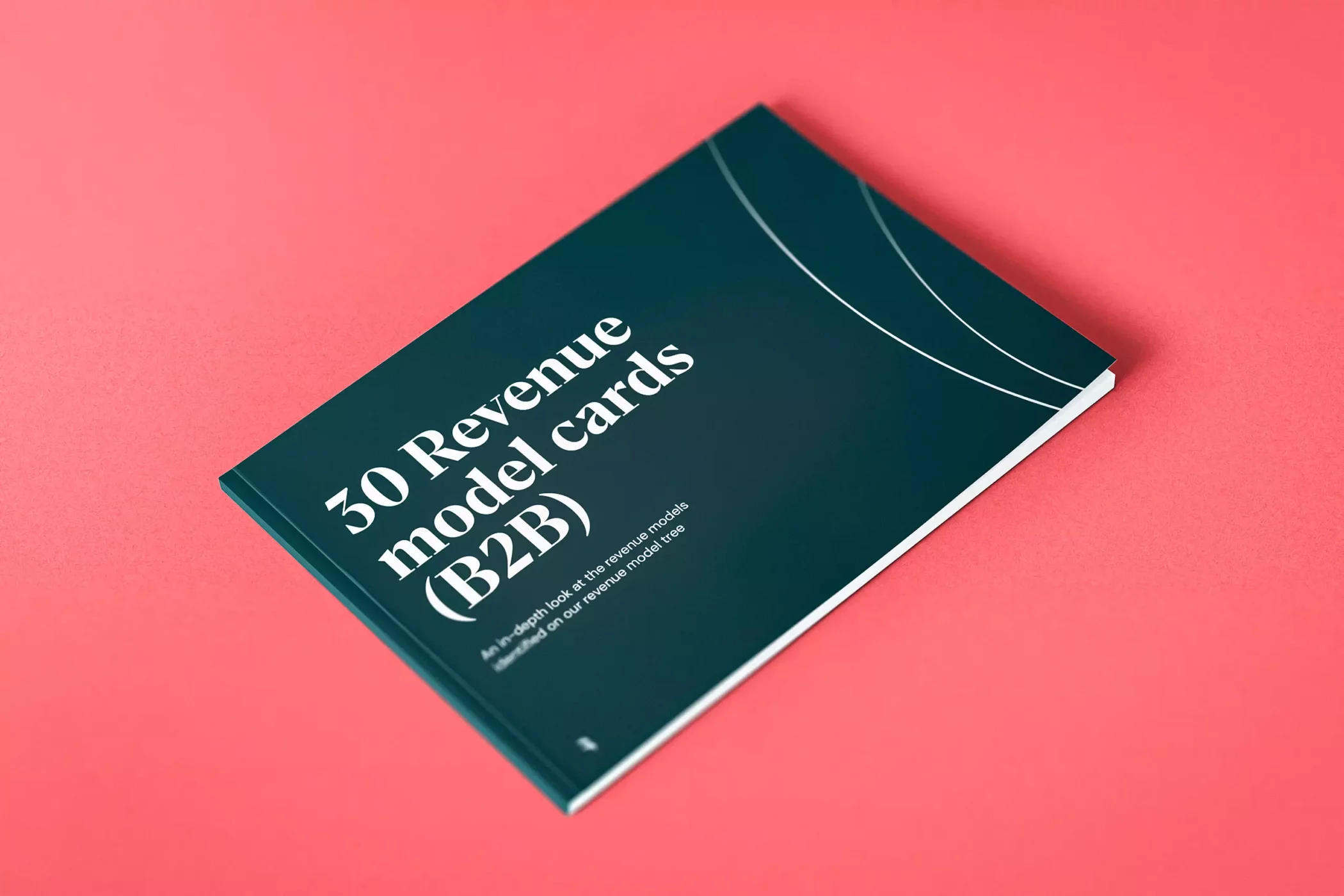
30 Revenue model cards (B2B)
Explore these revenue model examples for B2B, and find new ways your organization could be making money.