


200 economists and AI leaders say something big is happening. What should we do about it? Plus: Apple sues OpenAI
OpenAI targets workplace professionals as enterprise AI demand surges
‘These leaders recognize AI as the most consequential shift of their lifetime, and they’re asking us how to reinvent their companies around it’

Will AI Destroy the Economy? (According to Economists: No.) | AI Reality Check | Cal Newport

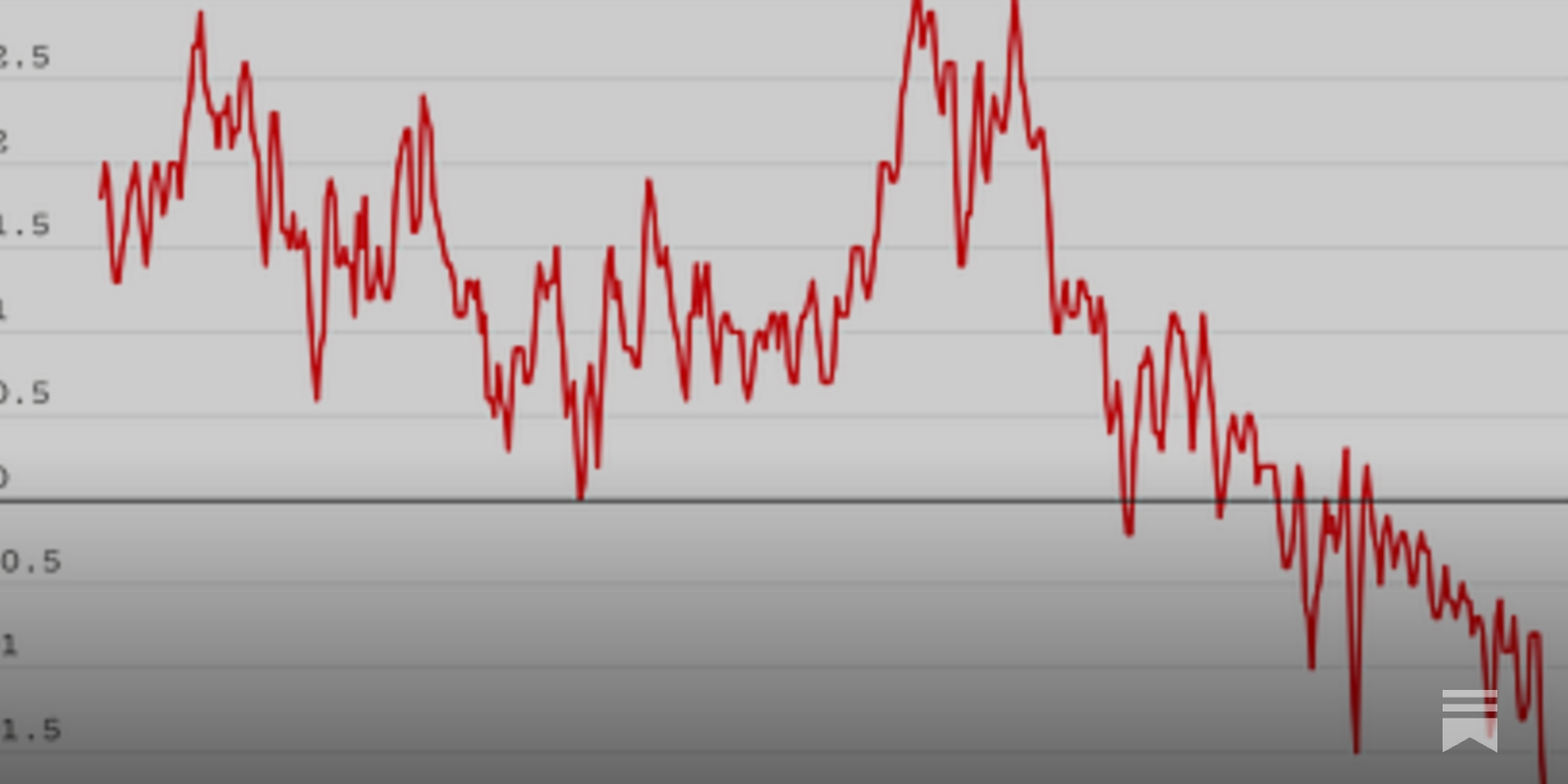
Ignore the Grifters - AI Isn't Going to Kill the Software Industry | Dustin Ewers
I feel like half of my social media feed is composed of AI grifters saying software developers are not going to make it. Combine that sentiment with some economic headwinds and it's easy to feel like we're all screwed. I think that's bullshit. The best days of our industry lie ahead.

OpenAI Calls for New Industrial Policy as AI Reshapes Economy and Governance
OpenAI’s policy paper argues that governments must adopt a new industrial policy to manage AI’s economic disruption.
Nathan Witkin on Twitter / X
Does anyone disagree that pretty much every piece of empirical evidence we have about actually existing AI points toward a labor-augmenting technology with a more-or-less ordinary risk profile (no worse than cars, guns, nuclear power, social media, etc.)?On the labor front, the…— Nathan Witkin (@NateWitkin) October 5, 2026
Report - Brace for Impact: Protecting People and the Economy when the AI Bubble Bursts — Open Markets Institute
Our report in partnership with Americans for Financial Reform outlines vulnerabilities in the financial system and wider economy that could intensify an AI crash into the next financial crisis, and provides steps that policymakers can take to mitigate the damage and protect everyday people from bear

The AI bubble isn’t new — Karl Marx explained the mechanisms behind it nearly 150 years ago
OpenAI CEO Sam Altman’s warning of an AI bubble highlights a deeper economic problem: capitalism is producing more capital than it can profitably invest.

March 2026 Global Dialogues Survey | Windfall Trust
Here’s what the world had to say about the AI economy

Don’t Believe the Hype — or Doom — About AI
For America’s VC-dominated tech industry, AI hype isn’t just a crazy by-product — it’s a structural part of the US economy in which capital tries to write our destinies. We shouldn’t let it.
The Arguments Against Open Source AI are Very Bad | Tom Bedor's Blog
The release of Kimi K3 has opened a fresh round of angst and confused discourse. There's a loud cohort of journalists, business leaders, and politicians arguing that open source AI is a dangerous threat. OpenAI's Dean Ball:

Import AI 452: Scaling laws for cyberwar; rising tides of AI automation; and a puzzle over gDP forecasting
How much could AI revolutionize the economy?

Irresponsible AI: big tech's influence on AI research and associated impacts
The accelerated development, deployment and adoption of artificial intelligence systems has been fuelled by the increasing presence of big tech in the AI field. This trend has been accompanied by growing ethical concerns and intensified societal and environmental impacts. This position paper argues that irresponsible AI development is strongly driven by big tech's influence and involvement in the field. First, we examine the growing and disproportionate influence of big tech in AI research and argue that its drive for scaling and general-purpose systems is fundamentally at odds with the responsible, ethical, and sustainable development of AI. Second, we review key current environmental and societal negative impacts of AI and trace their connections to big tech's influence. Third, we discuss the underlying economic forces driving big tech's actions. Finally, as a call to action, we invite AI researchers to counter big tech's influence in irresponsible AI development through strategies that build on the responsibility of implicated actors and collective action.

Irresponsible AI: big tech's influence on AI research and associated impacts
The accelerated development, deployment and adoption of artificial intelligence systems has been fuelled by the increasing presence of big tech in the AI field. This trend has been accompanied by growing ethical concerns and intensified societal and environmental impacts. This position paper argues that irresponsible AI development is strongly driven by big tech's influence and involvement in the field. First, we examine the growing and disproportionate influence of big tech in AI research and argue that its drive for scaling and general-purpose systems is fundamentally at odds with the responsible, ethical, and sustainable development of AI. Second, we review key current environmental and societal negative impacts of AI and trace their connections to big tech's influence. Third, we discuss the underlying economic forces driving big tech's actions. Finally, as a call to action, we invite AI researchers to counter big tech's influence in irresponsible AI development through strategies that build on the responsibility of implicated actors and collective action.