


Once a fringe obsession of Bay Area rationalists, existential risk is suddenly all anyone is talking about
AI Safety Is a Narrative Problem · Special Issue 5: Grappling With the Generative AI Revolution
This op-ed explores power and narrative dynamics around AI. Drawing on pop-culture references, the professional experiences of the author and examples from 2023’s “Great AI Safety Hype Roadshow,” this piece draws on the literary criticism technique of practical criticism to consider how speeches and announcements from both Silicon Valley executives and research scientists to interrogate the media-friendly nature of p(doom) discourse—which focuses on the existential risks of AI (PauseAI, 2023)—and its likely consequences. The complexities of AI and its numerous social impacts can be difficult for even the most expert analyst to unpack. In spite of this, the potential of “existential threats” has successfully cut through to become a mainstay of mainstream media coverage over the last year. This piece will make the case that this is an effective narrative conceit that has achieved a number of ends that traditional science communication tends to find difficult, if not impossible, to achieve. Firstly, it is easy to understand. Simplification of this nature—that removes jargon and complexity and focuses on a single outcome—is much easier to fit on a TV rolling news ticker or on the cover of a tabloid newspaper than more well-balanced, representative opinions. Secondly, it inherits prior assumptions from well-known dramatic forms. P(doom) plays to stories familiar from Greek tragedy through to Marvel movies, in which lone male heroes battle ineluctable forces. Thirdly, it is imbued with urgency and so becomes difficult to ignore.

Why We Fear AI: On the Interpretation of Nightmares — Common Notions Press
Industry insiders Hagen Blix and Ingeborg Glimmer dive into the dark, twisted world of AI to demystify the many nightmares we have about it. They combine expertise in cognitive science and machine learning with political and economic analyses to cut through the hype and technobabble to show how fear

Misleading Metaphors, Real Risks
What To Fear from AI Agents and How to Reclaim Our Human Agency

AI Researchers On AI Risk
I first became interested in AI risk back around 2007. At the time, most people’s response to the topic was “Haha, come back when anyone believes this besides random Internet crackpots.…

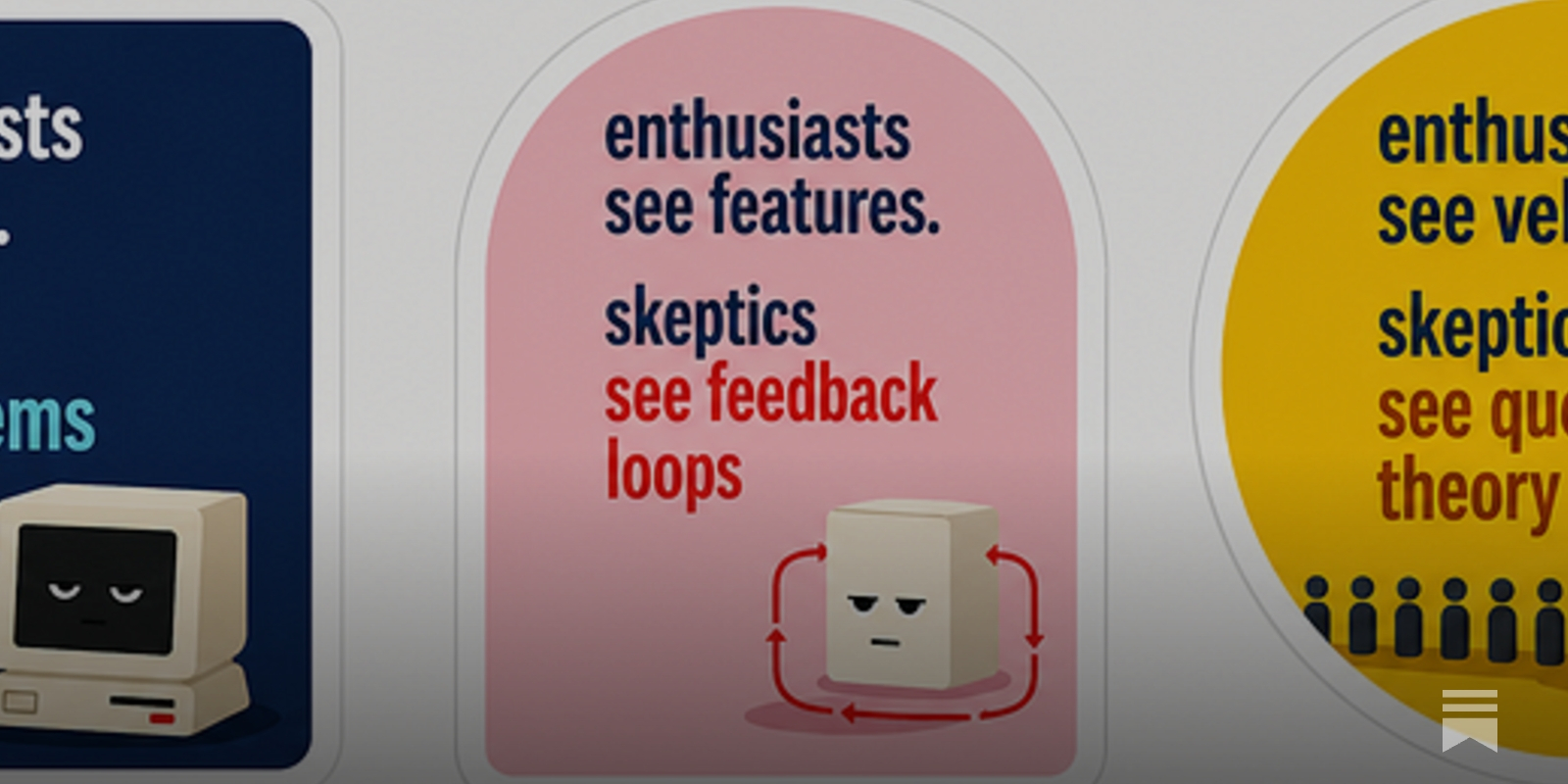
AI enthusiasts are in a race against time, AI skeptics are in a race against entropy (xpost)
Both sides are grappling with a real existential threat, and both sides feel like they are screaming into the void. There is a way to close the gap and get everyone pulling in the same direction.. …

AI enthusiasts are in a race against time, AI skeptics are in a race against entropy
Both sides are grappling with a real existential threat, and both sides feel like they are screaming into the void. Here's how to close the gap and get everyone pulling in the same direction.
Debates over AI consciousness are a trap
If AI systems are viewed as too advanced to control, the companies that build them can’t held liable for the harms they cause.

Your Favorite Science YouTubers Are Wrong About AI, (e.g. SciShow, Kurzgesagt, and Kyle Hill )
AI Billionaires Are Starting to Get Scared
The world's tech billionaires are starting to moderate their rhetoric on AI automation, but that doesn't mean it's all in good faith.

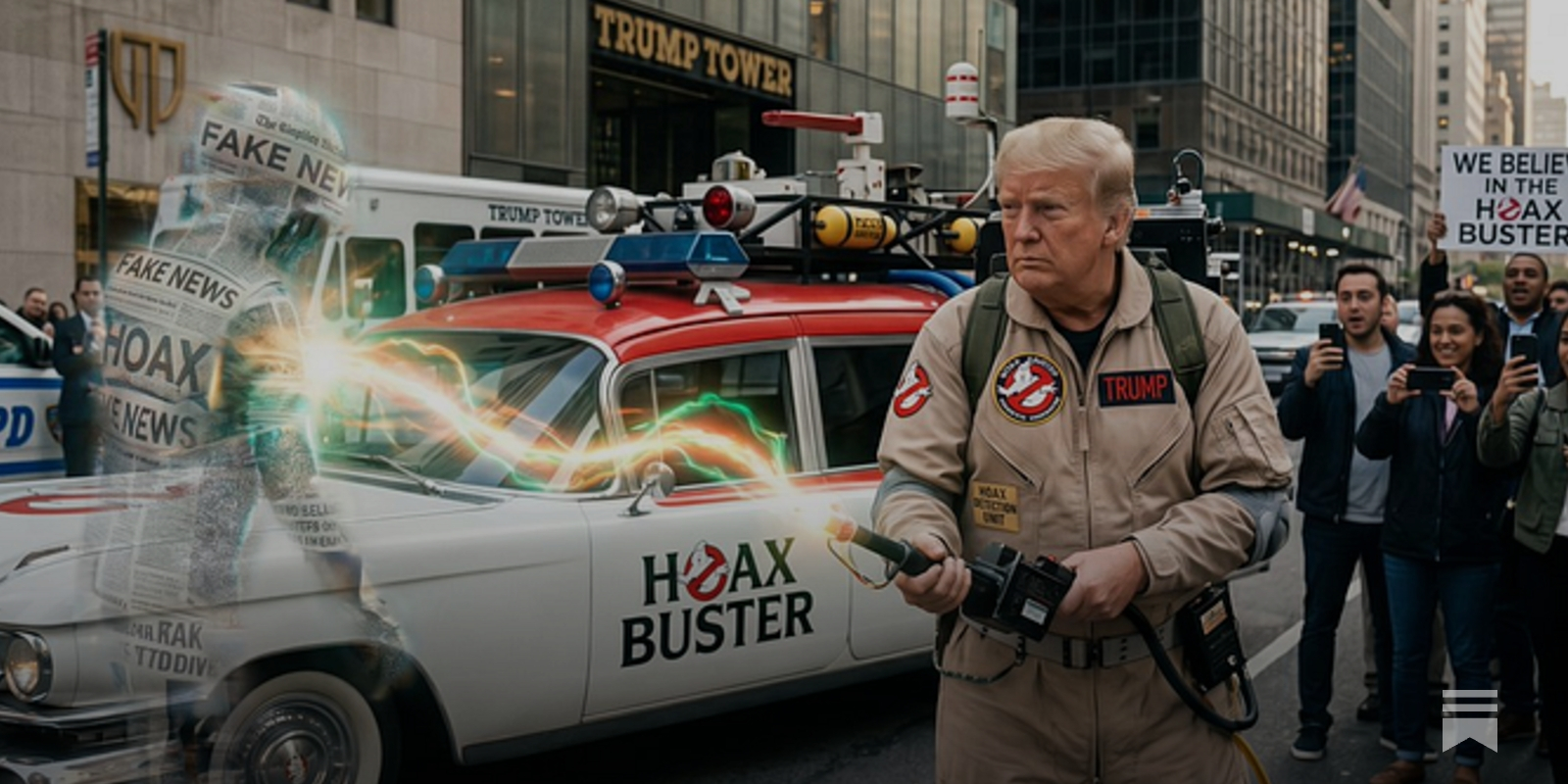
AI safety and the data center backlash
Planting a flag for AI safety as a place where we won’t abjectly bullshit you

My Thoughts on AI, Part 1: Fears, Opinions, and Mental Journey
My own personal thoughts and opinions on AI effects and usage, and how those have evolved over time

Building Political Superintelligence
Amidst fears of dystopia, a blueprint for how we use AI to reinvent the way we govern ourselves
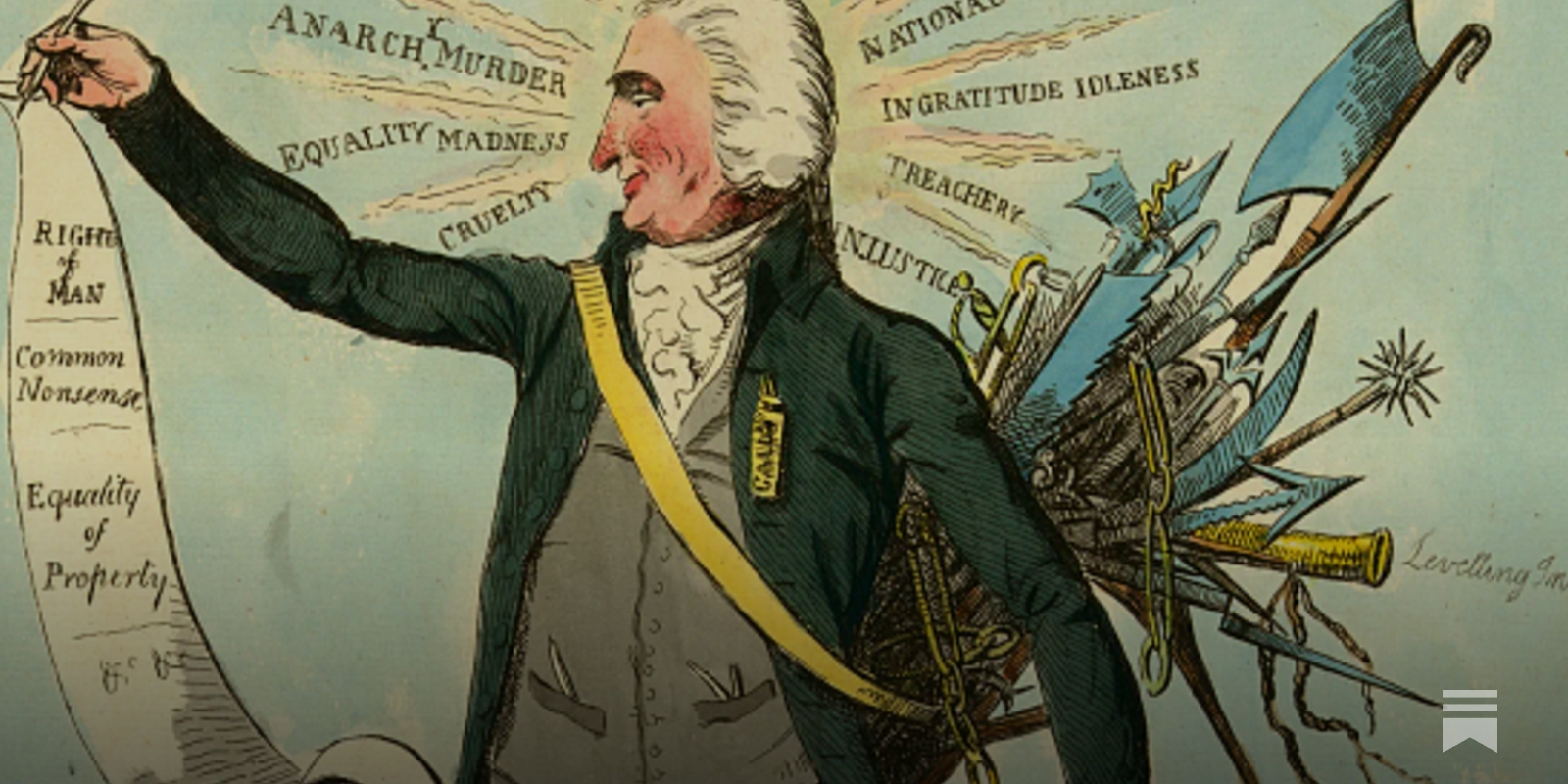
AI FOR EPISTEMICS & COORDINATION
Civilization and technology have radically improved the human condition. Nonetheless, the world sometimes goes in directions which essentially nobody would prefer — e.g., nuclear arms races, unexpected financial crashes, predatory marketing, or ubiquitous political misinformation.
