


We study the adoption of ChatGPT, the icon of Generative AI, using a large-scale survey linked to comprehensive register data in Denmark. Surveying 18,000 workers from 11 exposed occupations, we document that ChatGPT is widespread, especially among younger and less-experienced workers. However, substantial inequalities have emerged. Women are 16 percentage points less likely to have used the tool for work. Furthermore, despite its potential to lift workers with less expertise, users of ChatGPT earned slightly more already before its arrival, even given their lower tenure. Workers see a substantial productivity potential in ChatGPT but are often hindered by employer restrictions and a perceived need for training.
New research reveals "staggering" gender gap in ChatGPT adoption
A study reveals that ChatGPT adoption reflects existing workplace inequalities, with younger, higher-paid men using AI more than women and lower-income employees.

Still Waters, Rapid Currents: Early Labor Market Transformation under Generative AI
We study the early labor market impacts of AI chatbots by linking large-scale adoption surveys to administrative labor market records in Denmark. We document rapid currents: most employers in exposed occupations have adopted chatbot initiatives, workers report productivity benefits, and new AI-related tasks are widespread. Yet these currents have not broken the surface: using difference-indifferences, we estimate precise null effects on earnings and recorded hours at both the worker and workplace levels, ruling out effects larger than 2% two years after the launch of ChatGPT. What moves is the structure of work: employers absorb AI through task reorganization—including new tasks in content generation, AI oversight, and AI integration—and adopters transition into higher-paying occupations where AI chatbots are more relevant, though still too few to move average earnings. Technological change reshapes work well before it surfaces in earnings or hours.

Will Generative AI Disproportionately Affect the Jobs of Women?
Generative AI such as ChatGPT holds the potential to alter many kinds of work, but analysis of a new report shows the occupations most likely to be affected are populated by more women than men.
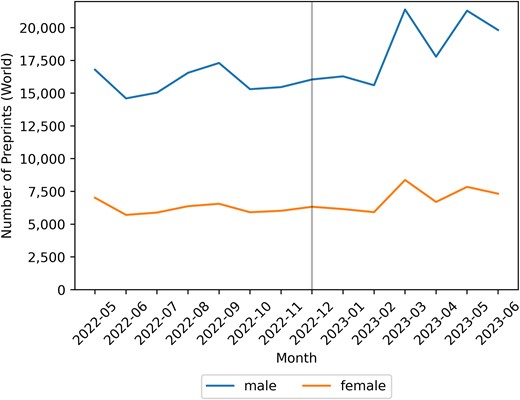
Gender disparities in the impact of generative artificial intelligence: Evidence from academia
Abstract. The emergence of generative artificial intelligence (AI) tools such as ChatGPT has substantially increased individuals’ productivity. In this stu
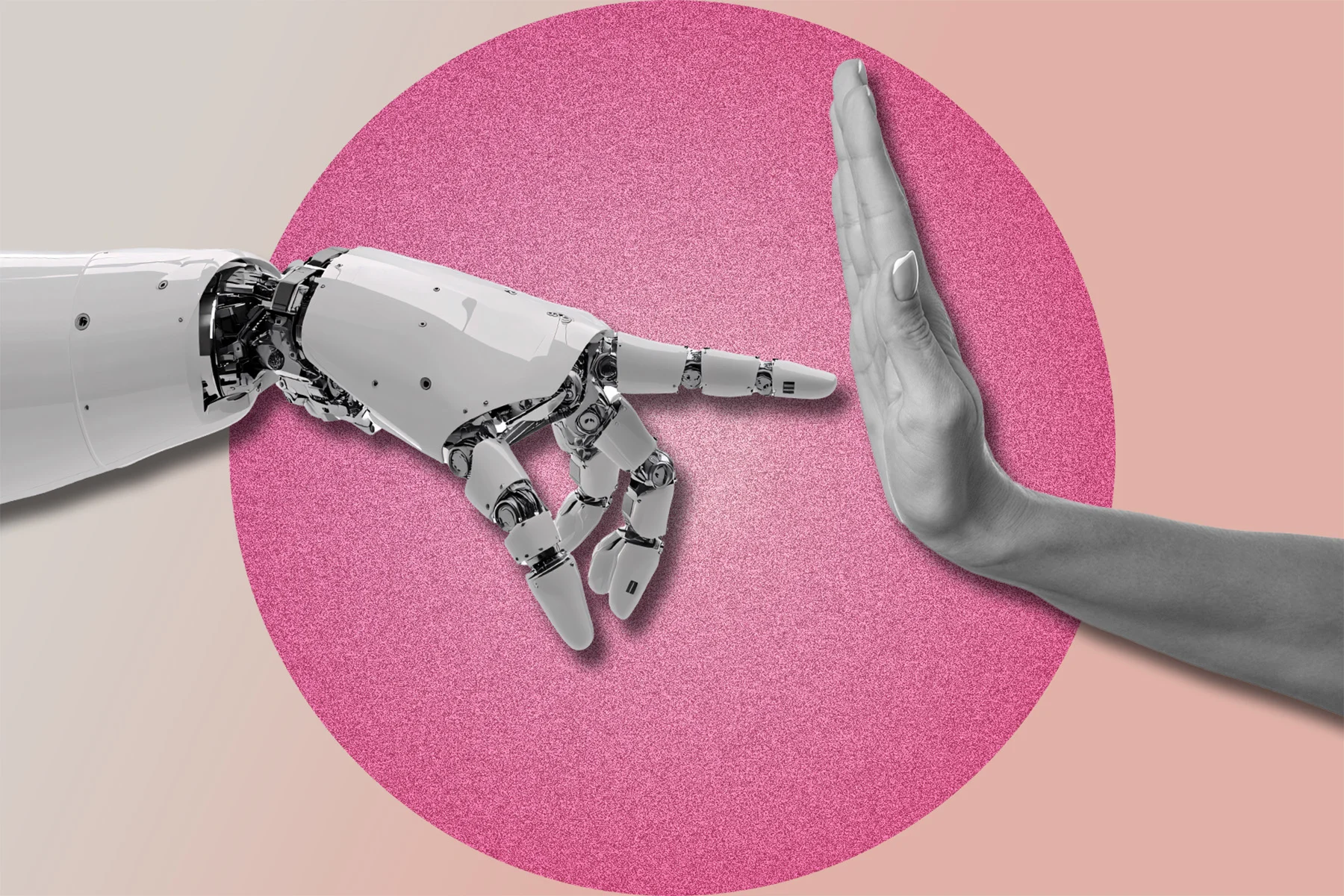
Women Are Avoiding AI. Will Their Careers Suffer? | Working Knowledge
Women are adopting generative AI technology at a significantly lower rate than men, in many cases because women question whether it's ethical to use the tools, according to research by Rembrand Koning and colleagues. If women are shying away from AI, could the gender gap in pay and job opportunities continue to widen?
AI’s Gender Gap - Haas News | UC Berkeley Haas
Generative AI could boost productivity and reduce inequality, but women across the world are at risk of missing out. A sweeping analysis by Nick Otis, PhD 25, Assistant Professor Solène Delecourt, and colleagues from Stanford and Harvard found that women were about 20% less likely than men to use tools such as ChatGPT, Claude, and […]

AI adoption higher among men than women: Survey
This large gap — 81.3% compared to 58.8% — stems from the higher representation of women in skilled trades, where AI usage remains extremely low.
Women are at risk of being left behind in the generative AI workplace revolution.
Women are already falling behind on generative AI in the workplace. The good news? Companies have the power to change that.
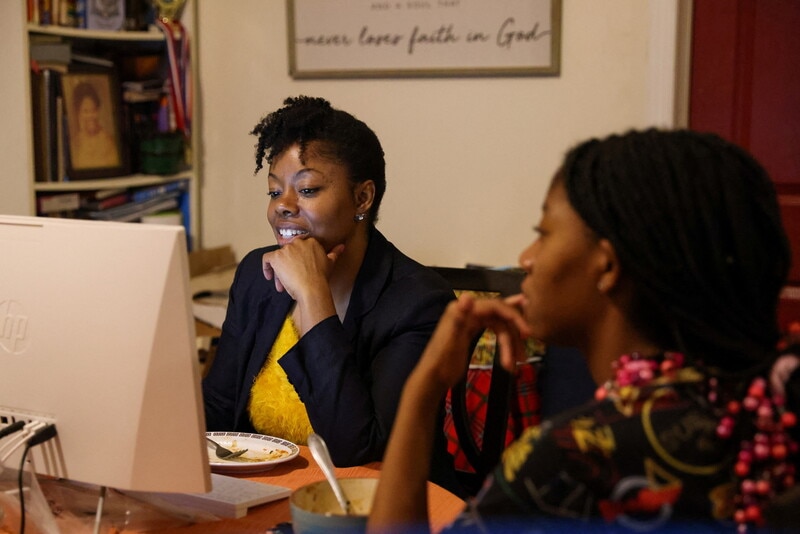
Women and AI: The Gender Gap in AI Adoption and Recognition [Data]
Lean In’s survey shows how women are losing out in the AI age. Learn how women and men compare in AI adoption in the workplace, recognition, and more.
AI Could Set Back Women at Work. Here’s the Risk.
JP Morgan and Brookings research shows women face higher risks from AI due to lower representation, slower adoption, and job exposure.

AI Gender Pay Gap - Emerging Tech - I by IMD
As AI investment grows, unequal access to emerging tech skills is widening the AI gender pay gap. New research shows how organisations can reverse it.

The AI Gender Trap: Why Women Face Triple the Automation Risk in the Digital Age
As generative AI transforms the workplace, women face a disproportionate risk of automation—revealing deep inequalities in who builds, controls, and benefits from artificial intelligence.
Women Worry, Men Adopt: How Gendered Perceptions Shape the Use of Generative AI
Generative artificial intelligence (GenAI) is diffusing rapidly, yet its adoption is strikingly unequal. Using nationally representative UK survey data from 2023 to 2024, we show that women adopt GenAI substantially less often than men because they perceive its societal risks differently. We construct a composite index capturing concerns about mental health, privacy, climate impact, and labor market disruption. This index explains between 9 and 18 percent of the variation in GenAI adoption and ranks among the strongest predictors for women across all age groups, surpassing digital literacy and education for young women. Intersectional analyses show that the largest disparities arise among younger, digitally fluent individuals with high societal risk concerns, where gender gaps in personal use exceed 45 percentage points. Using a synthetic twin panel design, we show that increased optimism about AI's societal impact raises GenAI use among young women from 13 percent to 33 percent, substantially narrowing the gender divide. These findings indicate that gendered perceptions of AI's social and ethical consequences, rather than access or capability, are the primary drivers of unequal GenAI adoption, with implications for productivity, skill formation, and economic inequality in an AI enabled economy.

New ILO data confirm women face higher workplace risks from generative AI than men
A new report finds that women face higher risks, as they are concentrated in tasks more prone to automation and remain underrepresented in technology and science fields.

How AI Is Fueling the Gender Pay Gap in Tech
A new Wharton study finds that too few women are working with emerging tech, and that exclusion is driving a growing divide in pay.

Bridging the Divide: Addressing the Resistance to AI Adoption Among the Underrepresented
AI is increasingly integrating into our lives and educational settings by opening communication doors and providing limitless options for creativity. However, students, faculty, and staff of diverse backgrounds and access may vary in their adoption and application of AI technologies. Existing research has identified disparities in AI adoption. For example, a Pew Research survey indicated that men are more likely to use ChatGPT, with 29% versus 19% of women (PRC, 2023). Why is this? Additionally, many AI programs have been shown to sometimes have racial disparities built into their algorithms. ChatGPT demonstrated that the software “was more likely to associate European American names with pleasant words such as “gift” or “happy,” while African American names were more commonly associated with unpleasant words” (Guardian, 2017). Furthermore, there is evidence to suggest there are inequities ranging from issues with economic access with many premium AI features behind paywalls to concerns that people with disabilities have, which has dissuaded some people from adopting AI (APA, 2023). This presentation will explore the concerns and dynamics of adopting artificial intelligence (AI) in our lives and educational settings. We will engage and discuss these concerns and dynamics with attendees looking at issues with diversity, inclusion, and accessibility. Ultimately, this presentation seeks to foster an environment where all individuals can positively engage and feel included and empowerd by artificial intelligence in shaping the future of learning.