

self-test of your position on 2 political dimensions
10Groups
10Groups is a political compass test that examines one's political beliefs on a varity of coordinate charts. The test is based on different parts from SapplyValues and 8values. You will be presented by a statement, and then you will answer with your opinion on the statement, from Strongly Agree to Strongly Disagree, with each answer slightly affecting your scores. At the end of the quiz, your answers will be displayed on a political compass. There are 83 questions in the test.
10Groups
10Groups is a political compass test that examines one's political beliefs on a varity of coordinate charts. The test is based on different parts from SapplyValues and 8values. You will be presented by a statement, and then you will answer with your opinion on the statement, from Strongly Agree to Strongly Disagree, with each answer slightly affecting your scores. At the end of the quiz, your answers will be displayed on a political compass. There are 83 questions in the test.
Prism Political Quiz
Prism Political Quiz attempts to provide you with the breakdown of your ideology in 6 dimensions: Government, Economy, Society, Religion, Security, and Foreign Policy. Unlike many other quizzes, rather than giving you Agree/Disagree questions, it gives you a number of statements and asks you to pick the one that best represents your views. This ideally gives a better chance to show your reasoning for a particular view that allows differentiating someone who opposes democracy because they believe in monarchy from someone who disagrees with it because they believe in anarchy, for example. Additionally, each question has an option for apathy or disagreeing with everything, to allow it to even capture the beliefs of people who believe in very unique ideologies.
Left & Right: The Psychological Significance of a Political Distinction
This book brings together for the first time an updated, revised collection of influential essays and articles that capture some of the most exciting scientific and scholarly contributions to the topic ...

Political Quizzes | The Paper Pilot
The Paper Pilot's digital garden of thoughts on philosophy, politics, and sociology
Living with two clocks
Staying with unbearable thoughts, and searching for a politics that’s equal to these times.

PolitiScales - Your results
Welcome to the PolitiScales, the online political test. You will be confronted to a series of affirmations and for each of them you will have to click on the button which corresponds the most to your opinion.
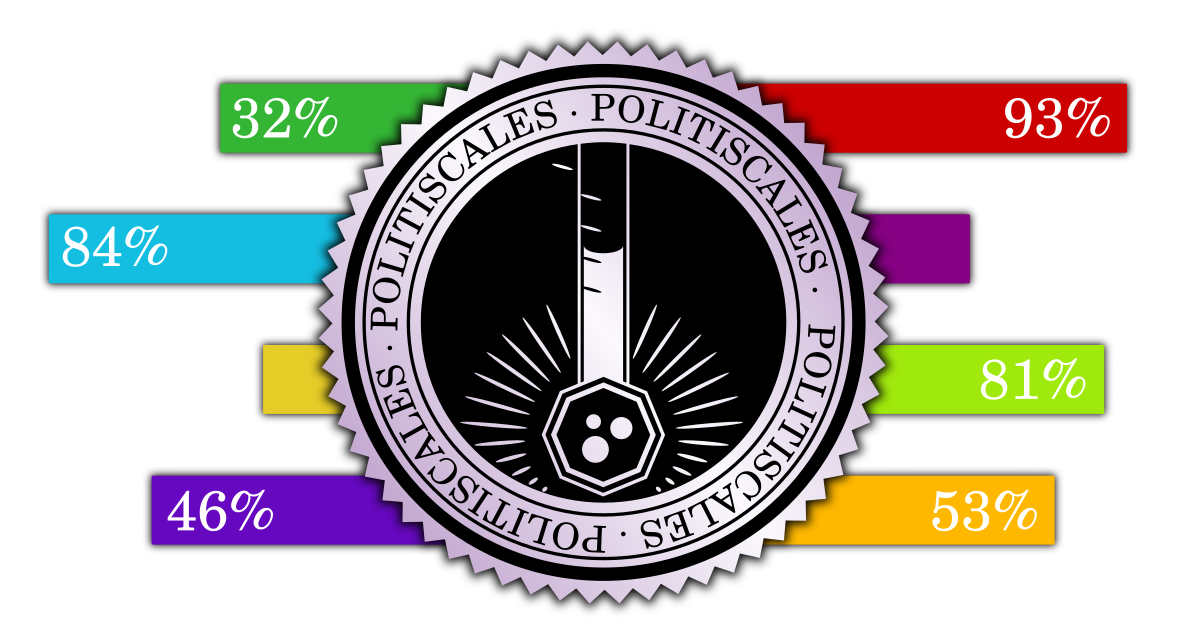
PolitiScales - Your results
Welcome to the PolitiScales, the online political test. You will be confronted to a series of affirmations and for each of them you will have to click on the button which corresponds the most to your opinion.
My Political Journey | The Paper Pilot
The Paper Pilot's digital garden of thoughts on philosophy, politics, and sociology
Six Triangles
Six Triangles is a political alignment quiz that attempts to place your beliefs in 6 triangles. Many quizzes use 2d scales, where you are, for example, democratic or authoritarian. However, some people may believe that the government should have little say in their lives, whether democratic or authoritarian, and thus, they might vote no to both democratic and authoritarian questions. This quiz attempts to resolve that by measuring the combination of 3 attributes. While this isn't perfect, it aims to be able to give a better method of comparison than most quizzes.

It’s Not Polarization; It’s the Radicalization of the Political Right
Polarization has become the master concept for diagnosing contemporary democratic crises. The notion denotes three features: symmetry between parties, politics as an opinion space where positions diverge, and mutual repulsion between opposing camps. Yet none of these capture current realities. Across democracies, the central dynamic is not two poles drifting apart but the transformation of the political right into authoritarianism, norm breaking, and openness to political violence. Social democratic and center-right parties tend to respond in the opposite way from what “polarization” implies: by accommodating rightward. Attempts to salvage the polarization frame with modifiers (“asymmetric,” “affective,” “sectarian,” “pernicious”) concede these realities but risk hollowing out the concept’s definitional core. These limitations reveal a deeper misdiagnosis: when one party turns antidemocratic and illiberal, incivility and conflict are inevitable—but they are symptoms, not the root problem. Misdiagnosing them as the central issue leads to viewing civility and compromise as remedies, thereby risking the legitimation of authoritarian actors. This article proposes an alternative lens: the radicalization of the political right. Developed in the study of extremism, the radicalization framework better captures asymmetric change, identity-driven politics, and the mainstreaming of illiberalism. It foregrounds identity fusion, threat narratives, elite entrepreneurship, and escalation. Concepts are never politically innocent and persisting with “polarization” risks both misdiagnosing and normalizing authoritarian threats.
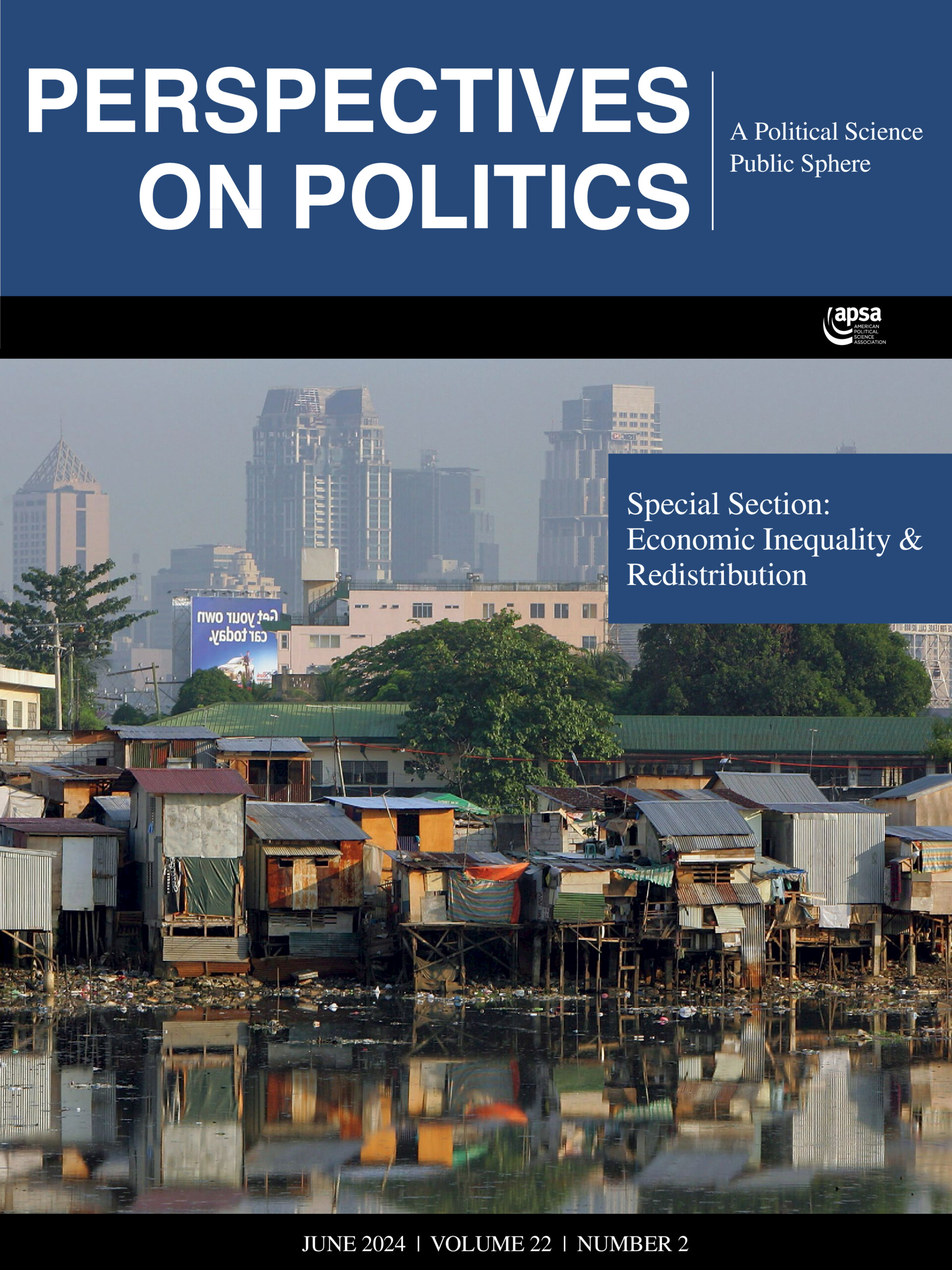
It’s Not Polarization; It’s the Radicalization of the Political Right
Polarization has become the master concept for diagnosing contemporary democratic crises. The notion denotes three features: symmetry between parties, politics as an opinion space where positions diverge, and mutual repulsion between opposing camps. Yet none of these capture current realities. Across democracies, the central dynamic is not two poles drifting apart but the transformation of the political right into authoritarianism, norm breaking, and openness to political violence. Social democratic and center-right parties tend to respond in the opposite way from what “polarization” implies: by accommodating rightward. Attempts to salvage the polarization frame with modifiers (“asymmetric,” “affective,” “sectarian,” “pernicious”) concede these realities but risk hollowing out the concept’s definitional core. These limitations reveal a deeper misdiagnosis: when one party turns antidemocratic and illiberal, incivility and conflict are inevitable—but they are symptoms, not the root problem. Misdiagnosing them as the central issue leads to viewing civility and compromise as remedies, thereby risking the legitimation of authoritarian actors. This article proposes an alternative lens: the radicalization of the political right. Developed in the study of extremism, the radicalization framework better captures asymmetric change, identity-driven politics, and the mainstreaming of illiberalism. It foregrounds identity fusion, threat narratives, elite entrepreneurship, and escalation. Concepts are never politically innocent and persisting with “polarization” risks both misdiagnosing and normalizing authoritarian threats.
Learn Your Philosophical Beliefs | ClearerThinking.org
Find your direction in life with our philosophical compass, a tool to explore your beliefs, values and purpose!

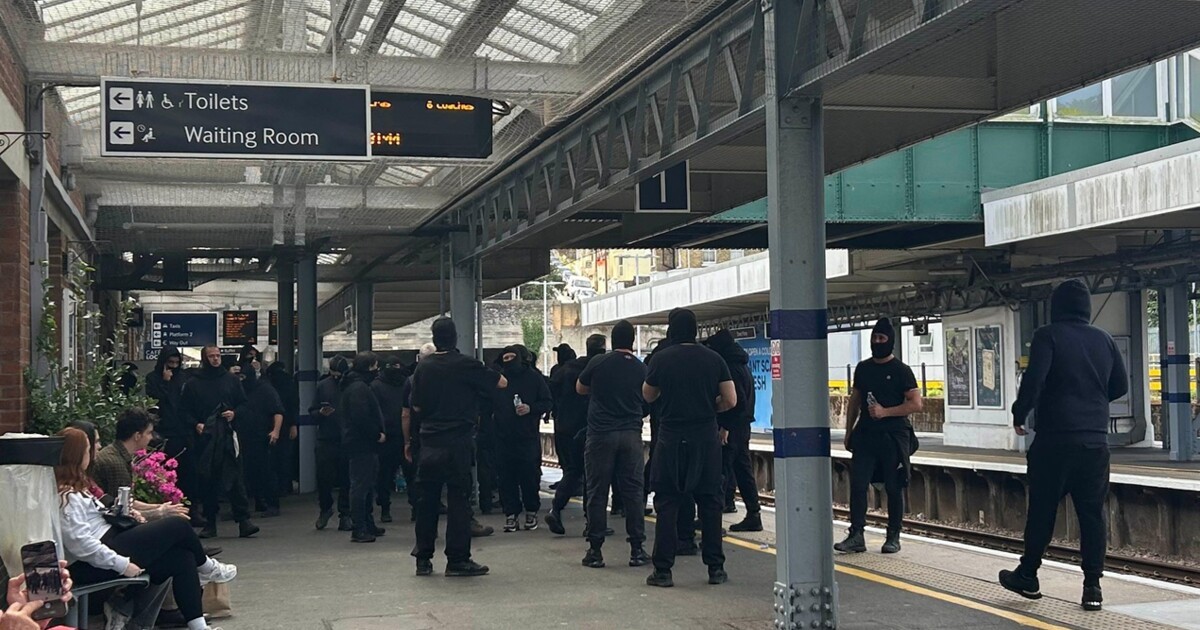
Daniel Trilling | Masks Off
The emergence of Patriot Platform is not necessarily a sign that the far right is getting its way. Radical right-wing...
SapplyValues
SapplyValues is a political compass test that combines the questions of the Sapply test* with the UI of 8values. You will be presented by a statement, and then you will answer with your opinion on the statement, from Strongly Agree to Strongly Disagree, with each answer slightly affecting your scores. At the end of the quiz, your answers will be displayed on a political compass. * A few questions have been reworded as I feel some of them were poorly written. There are questions in the test.