


Big tech companies are funneling money through a science nonprofit to help pay the salaries of AI staffers in Congress — and it’s just one example of the increasing influence outside-funded fellows are exerting on tech policy in Washington.
Irresponsible AI: big tech's influence on AI research and associated impacts
The accelerated development, deployment and adoption of artificial intelligence systems has been fuelled by the increasing presence of big tech in the AI field. This trend has been accompanied by growing ethical concerns and intensified societal and environmental impacts. This position paper argues that irresponsible AI development is strongly driven by big tech's influence and involvement in the field. First, we examine the growing and disproportionate influence of big tech in AI research and argue that its drive for scaling and general-purpose systems is fundamentally at odds with the responsible, ethical, and sustainable development of AI. Second, we review key current environmental and societal negative impacts of AI and trace their connections to big tech's influence. Third, we discuss the underlying economic forces driving big tech's actions. Finally, as a call to action, we invite AI researchers to counter big tech's influence in irresponsible AI development through strategies that build on the responsibility of implicated actors and collective action.

Irresponsible AI: big tech's influence on AI research and associated impacts
The accelerated development, deployment and adoption of artificial intelligence systems has been fuelled by the increasing presence of big tech in the AI field. This trend has been accompanied by growing ethical concerns and intensified societal and environmental impacts. This position paper argues that irresponsible AI development is strongly driven by big tech's influence and involvement in the field. First, we examine the growing and disproportionate influence of big tech in AI research and argue that its drive for scaling and general-purpose systems is fundamentally at odds with the responsible, ethical, and sustainable development of AI. Second, we review key current environmental and societal negative impacts of AI and trace their connections to big tech's influence. Third, we discuss the underlying economic forces driving big tech's actions. Finally, as a call to action, we invite AI researchers to counter big tech's influence in irresponsible AI development through strategies that build on the responsibility of implicated actors and collective action.
OpenAI, Google, and Microsoft Back Bill to Fund ‘AI Literacy’ in Schools
A new bill introduced by Senators Adam Schiff and Mike Rounds would award grants to the National Science Foundation—which has endured massive funding cuts under the Trump Administration for science research—to put “AI literacy” in schools.

How a billionaire-backed network of AI advisers took over Washington
A sprawling network spread across Congress, federal agencies and think tanks is pushing policymakers to put AI apocalypse at the top of the agenda — potentially boxing out other worries and benefiting top AI companies with ties to the network.
Google and Microsoft offer lucrative deals to promote AI, but even $500,000 won't sway some creators
Tech companies including Google and Microsoft are paying influencers hundreds of thousands of dollars to promote AI products.

Irresponsible AI: big tech’s influence on AI research and associated impacts
The accelerated development, deployment and adoption of artificial intelligence systems has been fuelled by the increasing presence of big tech in the AI field. This trend has been accompanied by growing ethical concerns and intensified societal and environmental impacts. This position paper argues that irresponsible AI development is strongly driven by big tech’s influence and involvement in the field. First, we examine the growing and disproportionate influence of big tech in AI research and argue that its drive for scaling and general-purpose systems is fundamentally at odds with the responsible, ethical, and sustainable development of AI. Second, we review key current environmental and societal negative impacts of AI and trace their connections to big tech’s influence. Third, we discuss the underlying economic forces driving big tech’s actions. Finally, as a call to action, we invite AI researchers to counter big tech’s influence in irresponsible AI development through strategies that build on the responsibility of implicated actors and collective action.
Democratizing AI Companies — The Collective Intelligence Project
As AI reshapes society, the companies behind these technologies face a critical challenge: how to build corporate governance structures that prioritize public benefit over profit maximization;.

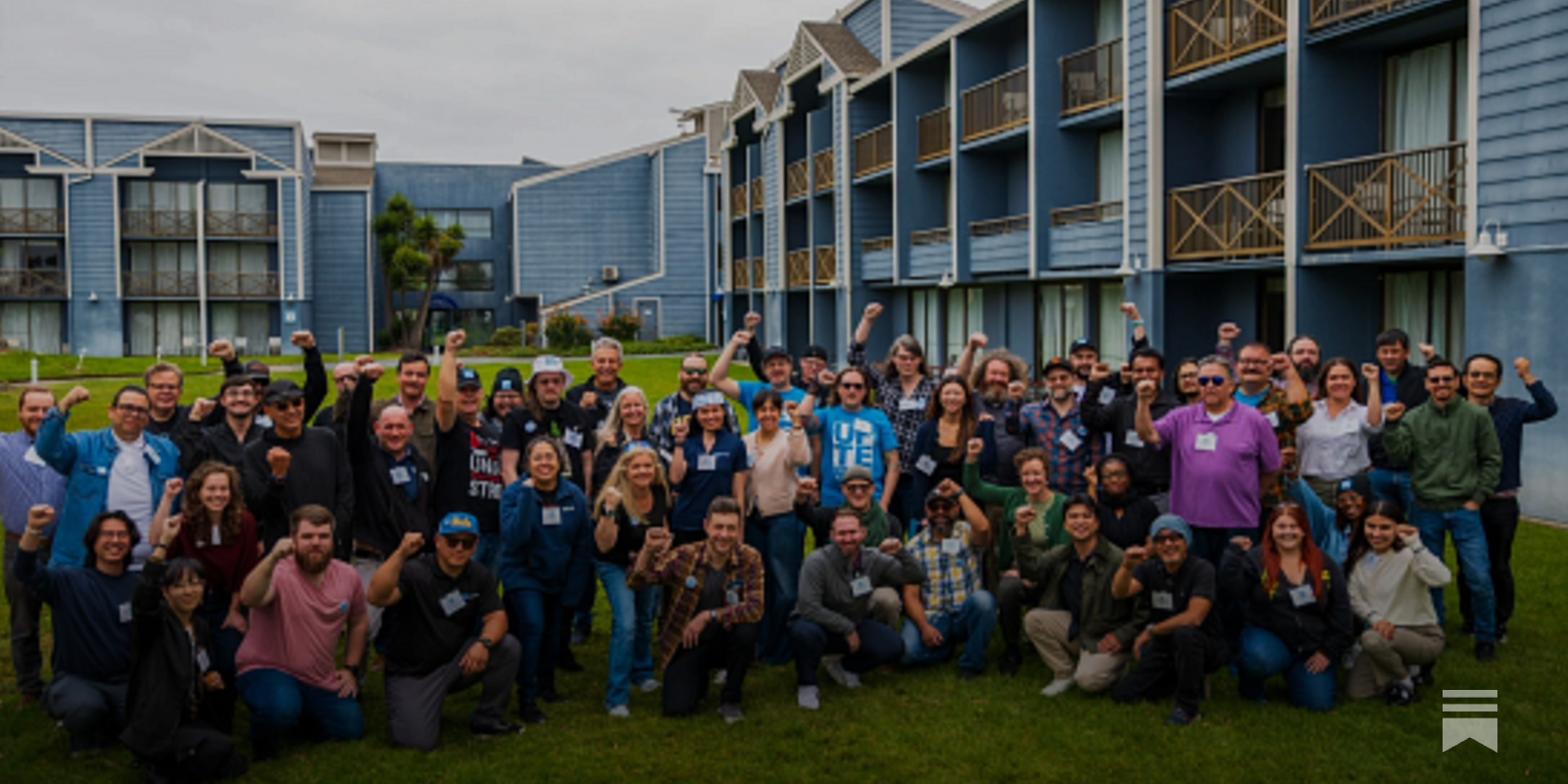
They just formed the biggest tech worker union in the US. They plan to rein in AI and curb layoffs
"Who AI benefits and who it immiserates often is based on who gets to decide how it’s used. We know how tech is used on the day to day. We should be at the table as well."
"AI" is Automated Inequality
Tech bros still dominate the discussions about so-called "AI" with false claims. Even most "AI"-critical researchers spend much of their time meticulously debunking (always only a subset of) claims, leaving vast areas of the economic consequences of "AI" unexplored. (Even the "AI"-evangelist Economi

New Studies: How Commercial Forces Make Science Less Reliable
Computational social science has been distorted by commercial forces, and AI is making it worse.

Think tank tied to tech billionaires played key role in Biden’s AI order
Researchers from the RAND Corporation — which took more than $15 million this year from a group financed by a Facebook co-founder — were a driving force behind the White House’s sweeping new AI reporting requirements.
Big Tech’s A.I. Spending Is Accelerating (Again)
Despite the risk of a bubble, Google, Meta, Microsoft and Amazon plan to spend billions more on artificial intelligence than they already do.

Charting AI’s Role in Scientific Discovery — Renaissance Philanthropy – A brighter future for all through science, technology, and innovation
Renaissance Philanthropy, with support from Google.org , is conducting a landscape study of AI integration in scientific research — and we want your perspective.

When Silicon Valley’s AI warriors came to Washington
Effective altruism is increasingly described as a cult. But as the movement’s billionaire adherents pour money into D.C., its obsession with the AI apocalypse is remaking the capital’s tech policy landscape.

Want to do something? Scholars: get organized. Join @aaup.org. Everyone: call your congresspeople. Tell them to defend science. Tell them to regulate the AI industry. Support @standupforscience.net I’m not giving up and neither should you. /end
"AI makes it cheaper to contribute to Open Source, but it's not making life easier for maintainers. More contributions are flowing in, but the burden of evaluating them still falls on the same small group of people. That asymmetric pressure risks breaking maintainers." also relevant to slop science

