

President Trump has backed off his threats toward Denmark's territorial sovereignty, but he and aides have continued to irritate much of Europe.
Donald Trump drops demands to own Greenland, but the harm has been done
A revised defence pact with Denmark and Greenland is a modest improvement, but annexation threats were a costly blunder

Denmark and Greenland say US military agreement will not compromise Arctic territory’s sovereignty
Statement sought to clarify Trump’s announcement that US will have ‘permanent control’ over Greenland’s security

Qu’est-ce que Trump a exactement obtenu de l’Europe ?
traduction française du billet de blog "I coulda made a better deal. What, exactly, did Trump get from Europe?" de Paul Krugman

European strategic autonomy as a double-edged sword? US perspectives in an Era of Sino-American competition
As the United States seeks to prioritise ‘competition with China’, debates have emerged about how this affects US engagements elsewhere. Europe occupies a contested role in this discussion. Traditi...

The new right: Anatomy of a global political revolution – European Council on Foreign Relations
The thinkers and ideas of the rising nationalist right merit the political mainstream's attention. Only by understanding them can it build a resilient counter-p
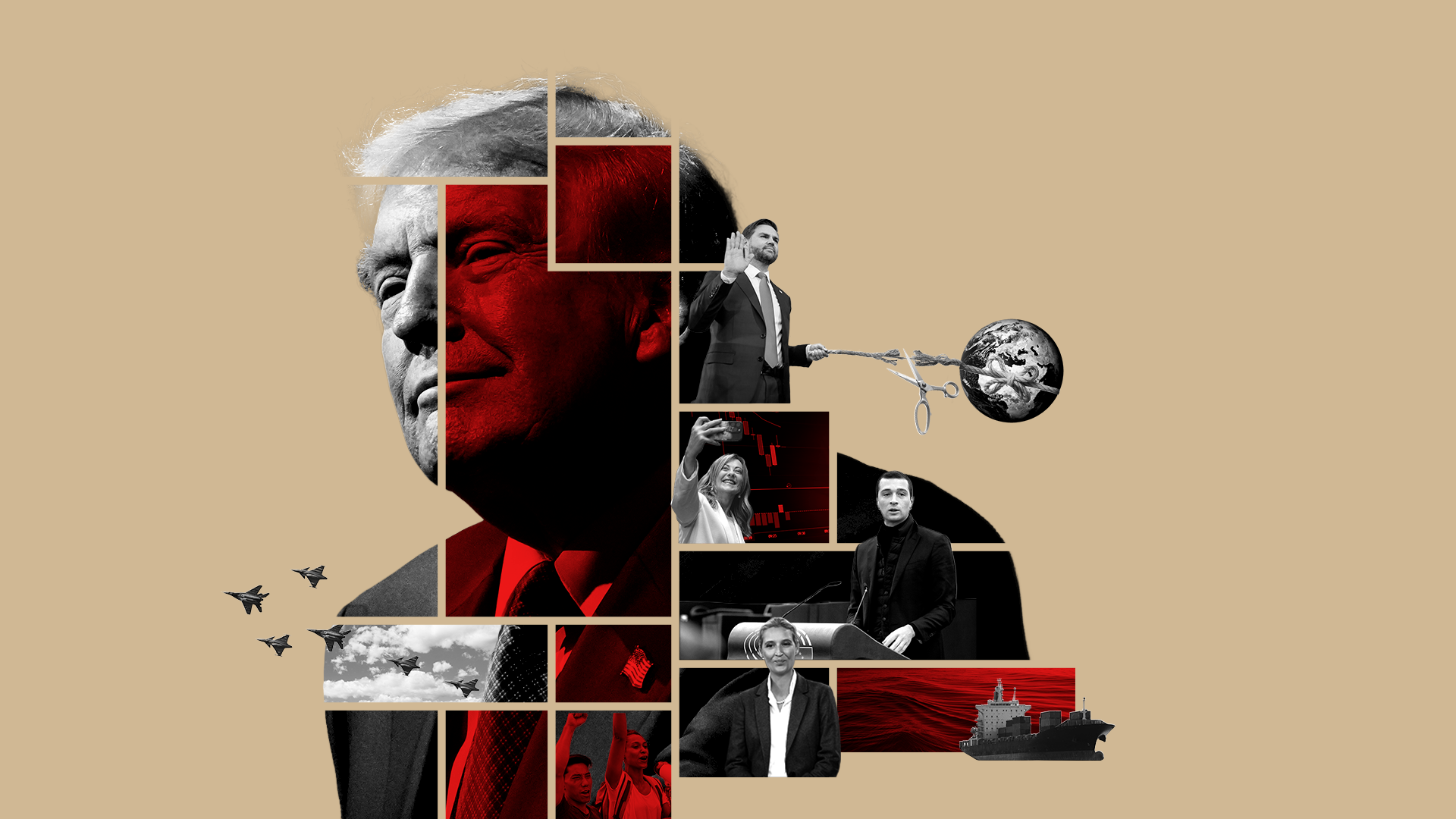
More EU debt issuance would be the best response to Trump’s tariffs
The European Union should think strategically and seize the opportunity to fill the void created by Trump

Pluralistic: EU ready to cave to Trump on tech (04 Apr 2026) – Pluralistic: Daily links from Cory Doctorow
Crises precipitate change. That's no reason to induce a crisis, but you'd be a fool to let a crisis go to waste. Donald Trump is the greatest crisis of our young century, and the EU looks set to squander the opportunity, to its own terrible detriment.
The Predatory Hegemon
Ever since Donald Trump first became U.S. president, in 2017, commentators have searched for an adequate label to describe his approach to U.S. foreign relations. Writing in these pages, the political scientist Barry Posen suggested in 2018 that Trump’s grand strategy was “illiberal hegemony,” and the analyst Oren Cass argued last fall that its defining essence was a demand for “reciprocity.” Trump has been called a realist, a nationalist, an old-fashioned mercantilist, an imperialist, and an isolationist.

Elon Musk’s Race War Just Took Darker Turn—Time for a Global Response
The violent fascist riots in Belfast reveal the future that the trillionaire really wants. We need an international movement to constrain him.
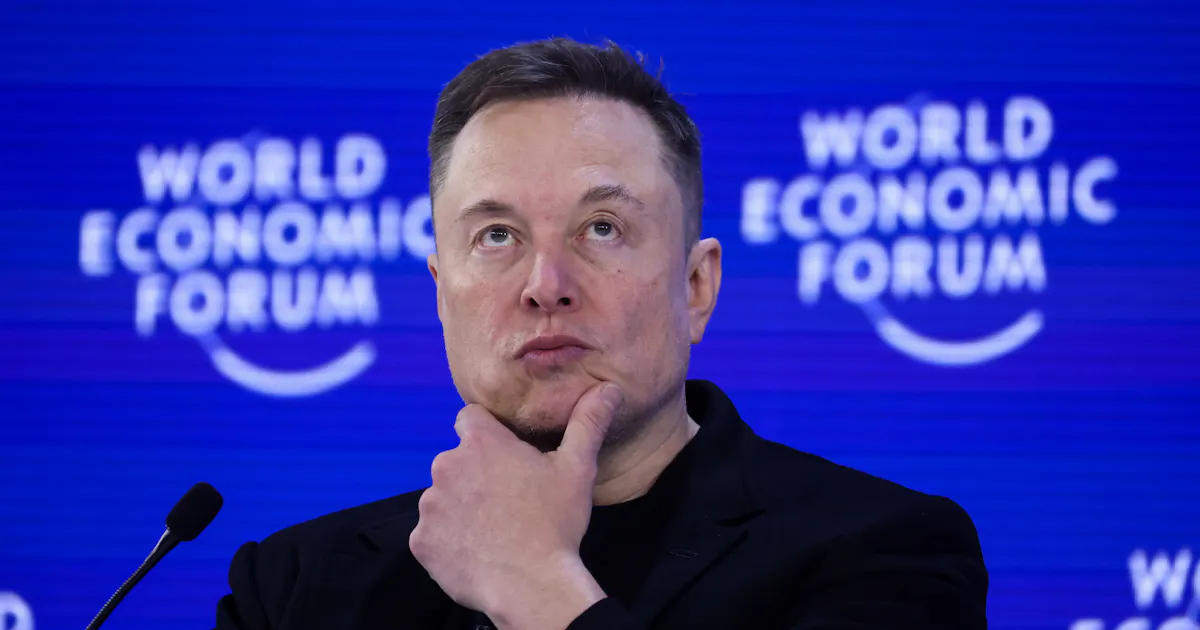
Opinion | Where Trump Is Vulnerable and How to Act on It
People and institutions of civil society must coordinate against him.

Exclusive: Ukraine, Russia are done with Steve Witkoff. Trump sees no problem
Kyiv and Moscow are growing increasingly frustrated with the U.S.-mediated peace process — and with Washington's Envoy Steve Witkoff, people familiar with the matter told the Kyiv Independent. Witkoff and Trump's son-in-law, Jared Kushner, who has emerged as a key peace negotiator, traveled to Russia and Ukraine in early September in an attempt to restart stalled negotiations. They left both countries with little to show for the effort. Behind the scenes, however, several separate efforts are
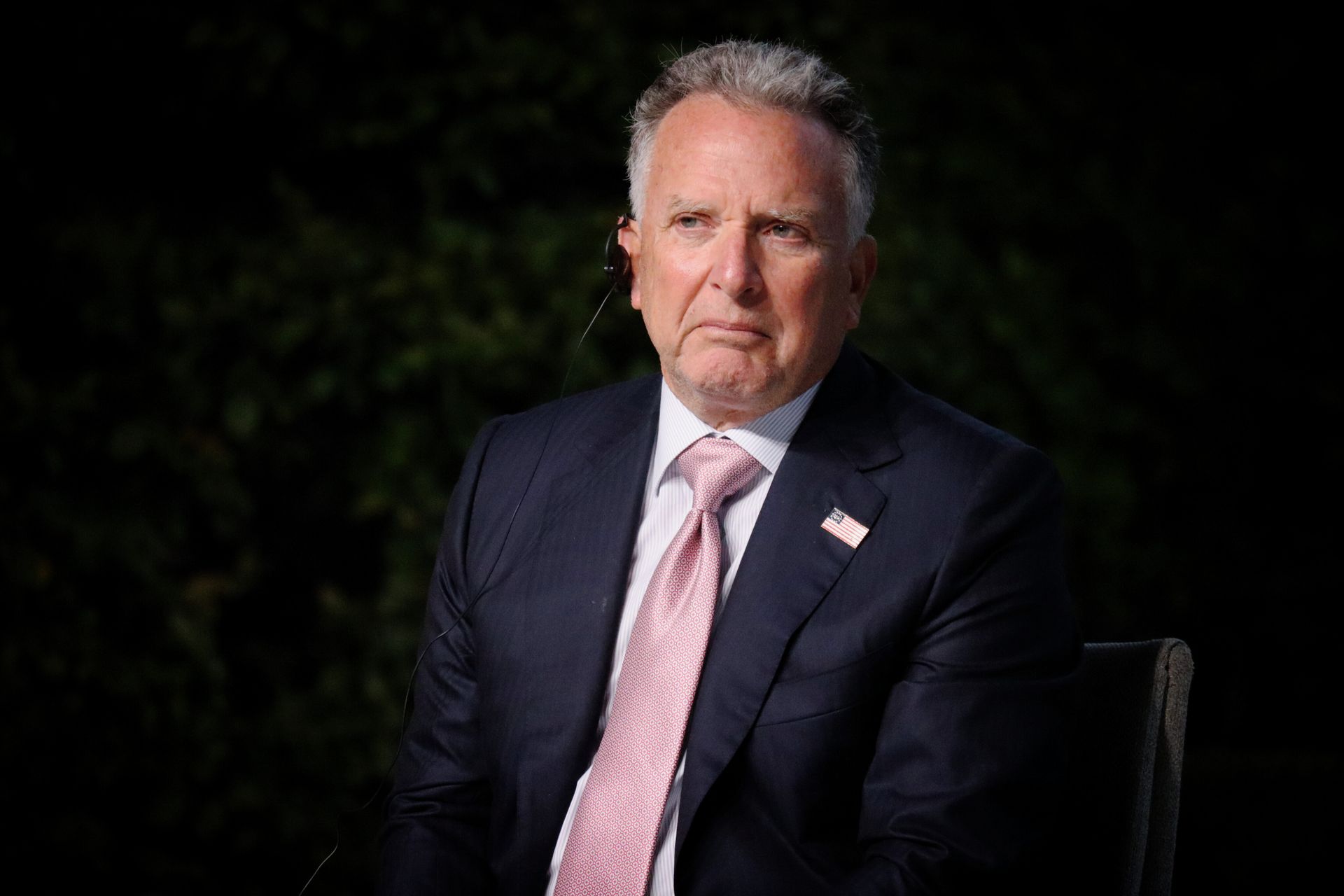
EU Wants To Break Up With US Tech
Wary of being vulnerable to the whims of foreign governments, the European Union is preparing far-reaching new moves to ditch American digital companies and Chinese chips in favour of European alternatives.

La garde prétorienne de l’Empereur: le danger de l’armée de Trump
La guerre en Iran est en train d’exposer un problème fondamental : que peut faire une armée lorsque le pouvoir civil choisit de sortir de la démocratie ? Thomas Crosbie et Olivier Schmitt signent une pièce de doctrine pour comprendre la « russification » des armées américaines sous Donald Trump et Pete Hegseth — et ses conséquences pour nous.

Exclusive: Putin puts a price on Trump's Ukraine energy truce — Kyiv fears the cost
Russia has demanded sanctions relief from the U.S. as part of talks over a possible energy ceasefire with Ukraine, while also seeking to link the initiative to a ceasefire in the Black Sea, U.S. and Ukrainian officials familiar with the talks told the Kyiv Independent. The demands come as Russia intensifies attacks on Ukraine's energy infrastructure, with one senior Ukrainian defense official saying Moscow is trying to inflict as much damage as possible to gain leverage before potential negotia
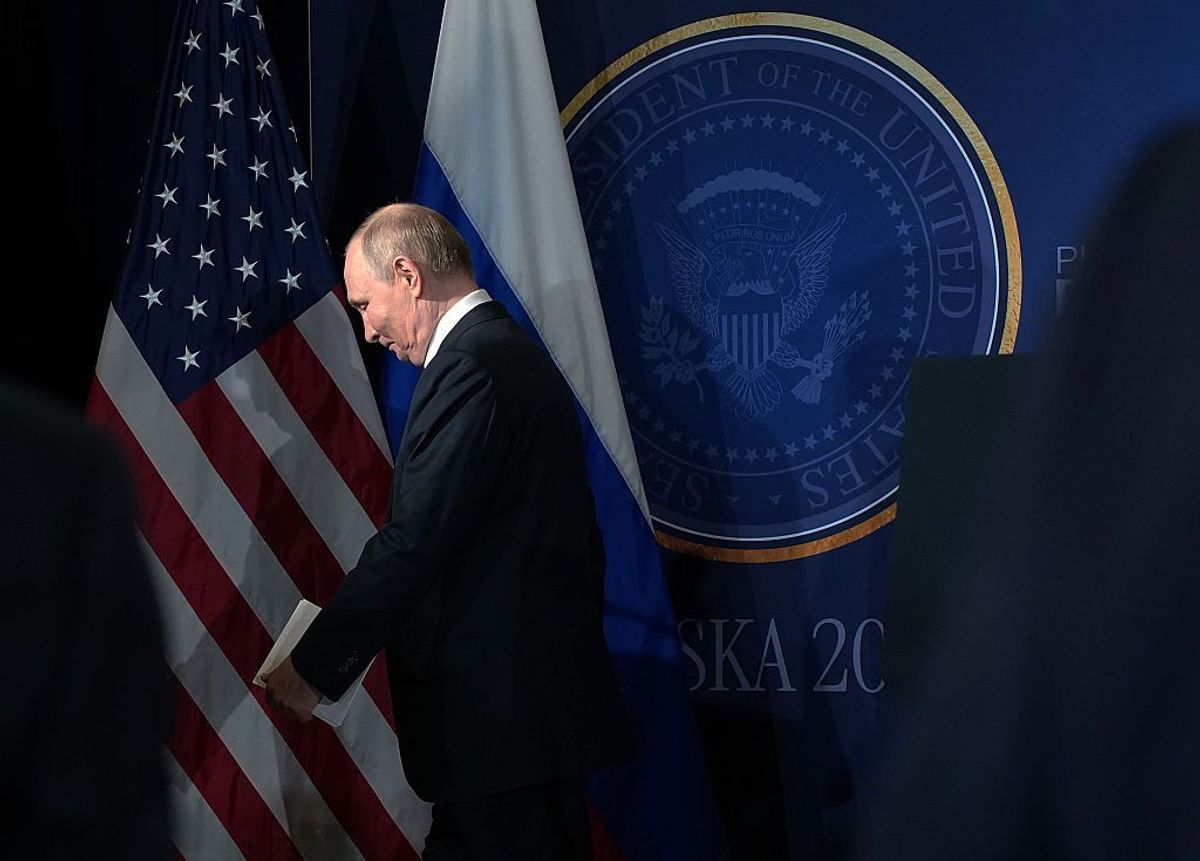
Exclusive: 'It felt like a trap.' How Ukraine was blindsided by Trump's Putin pivot
When U.S. envoys Steve Witkoff and Jared Kushner told Ukraine's delegation on Oct. 9 that President Donald Trump was preparing to lift sanctions on Russian diesel exports, the Ukrainians struggled to believe what they were hearing. The delegation had traveled to the United States to discuss a possible energy ceasefire with Russia. Instead, Kyiv's negotiators found themselves blindsided by a decision they feared would hand Moscow fresh revenue to finance its war against Ukraine while undermining
Hello I'm an American living in a red state. I wrote a little thing for Europeans explaining the current the moment in the US. It's important that people understand why this is happening, because a similar thing is coming for most democracies. docs.google.com/document/d/e/2PACX-1vRPrDiXk2…
