

Here’s why unemployment is higher, wages are lower and growth less robust than government statistics suggest.
Opinion | We’re Measuring the Economy All Wrong (Published 2018)
The official statistics say that the financial crisis is behind us. It's not.

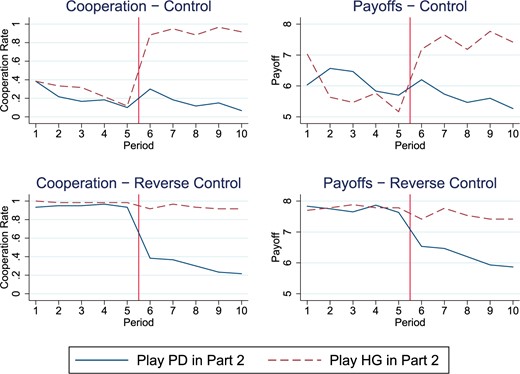
The Demand for Bad Policy when Voters Underappreciate Equilibrium Effects
Abstract. Most of the political economy literature blames inefficient policies on institutions or politicians’ motives to supply bad policy, but voters may
The Results Are In: Voters Hate Data Centers
From high-profile Senate races to local rezoning initiatives, data centers and their supporters did miserably on the ballot in the 2026 midterms.

Guardian Essential poll: Labor’s housing and tax changes fail to win over voters as support for One Nation swells
Just 25% of Australians polled back the budget while the majority believe the government has fallen short of expectations over the past year

81 percent of young Americans say economic conditions are bad or terrible: Survey
Many voters saw midterm election as a rebuke of Trump, NBC News Exit Poll shows
The president’s approval rating is dismal among voters, who have big concerns about the economy, according to polling results.

How statistics lost their power – and why we should fear what comes next | William Davies
The Long Read: The ability of statistics to accurately represent the world is declining. In its wake, a new age of big data controlled by private companies is taking over – and putting democracy in peril
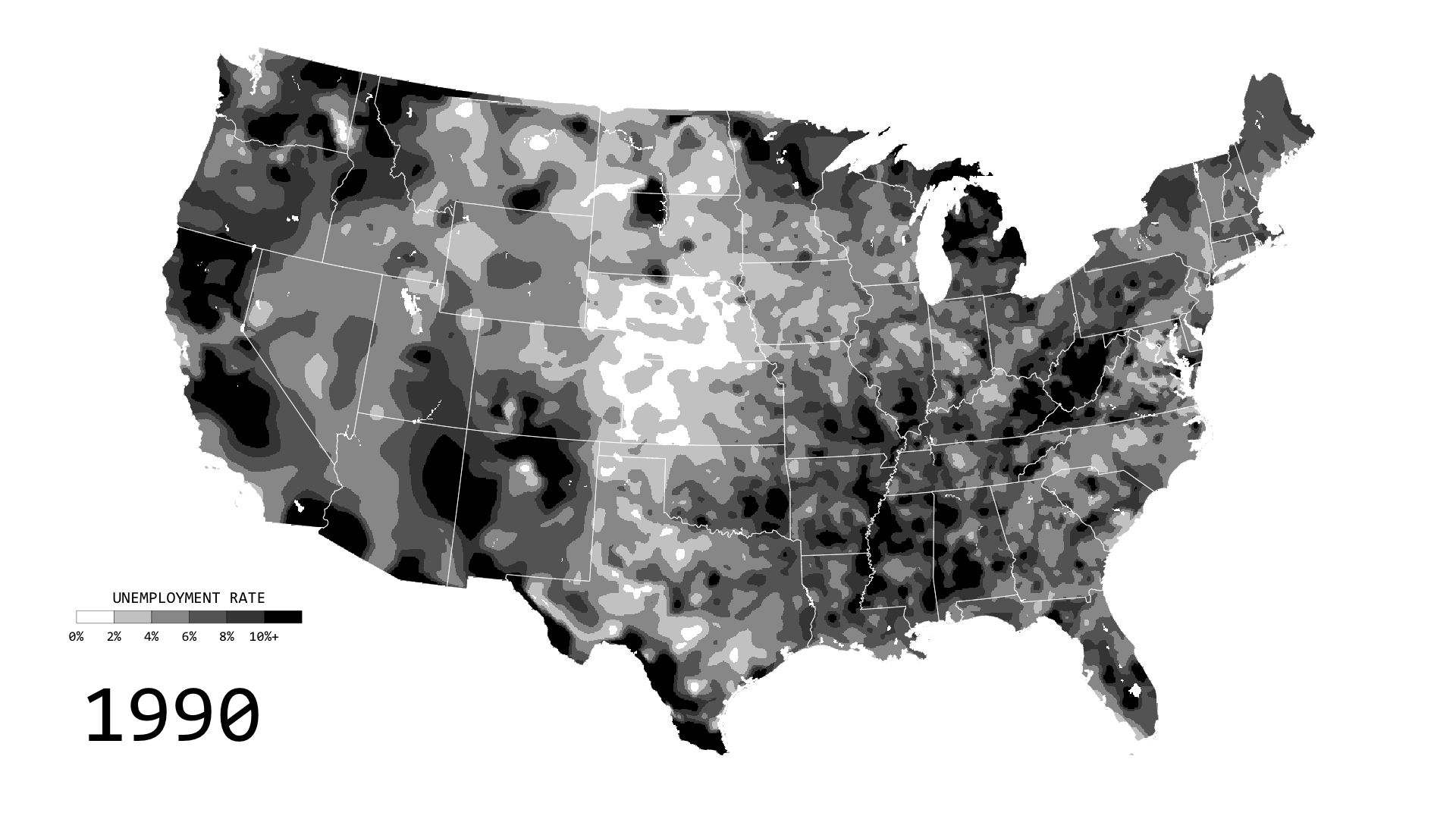
Unemployment in America, Mapped Over Time
Watch the regional changes across the country from 1990 to 2016.
Why Big Data Falls Short of Its Political Promise
Why Big Data Falls Short of Its Political Promise

The Twilight of the Polls? A Review of Trends in Polling Accuracy and the Causes of Polling Misses
Polls have had a number of high-profile misses in recent elections. We review the current polling environment, the performance of polls in a historical context, the mechanisms of polling error, and the causes of several recent misses in Britain and the US. Contrary to conventional wisdom, polling errors have been constant over time, although the level of error has always been substantially beyond that implied by stated margins of error. Generally, there is little evidence that voters lying about their vote intention (so-called ‘shy’ voters) is a substantial cause of polling error. Instead, polling errors have most commonly resulted from problems with representative samples and weighting, undecided voters breaking in one direction, and to a lesser extent late swings and turnout models. We conclude with a discussion of future directions for polling both in terms of fixing the problems identified and new approaches to understanding public opinion.
New Study: No Evidence That High-End Tax Cuts Help the Economy
Many policymakers cite as fact that cuts in the top income and capital gains tax rates spur much greater economic growth and that increases in those tax rates significantly hurt growth. A new...
The US economy is doing well. President Biden wants to know why so many Americans are still feeling bad | CNN Politics
By many metrics, the US economy is humming along. The jobs market is robust; consumers are spending again; and inflation has eased to a three-year low.
The Limits of Data
Policymakers want to make decisions based on clear data, but important factors are lost when we rely solely on data. A philosopher writes:
Data, Democracy and Dirty Tricks
To be absolutely clear: This was another Y2K situation. Lots and lots of people worked diligently for months and years, at great cost, taking hours away from their friends & family, to make our elections a bit more free and fair. Voting was still threatened! It still took record-breaking turnout!

Norm Eisen
This is so wrong The reason “Trump didn’t steal the elections” is because we & the pro-voter coalition stopped him EIGHT times over the past 21 months Here’s how: a thread (1/x)
Is A.I. creating jobs or killing them? Adding to inflation or fixing it? Boosting productivity or doing little? Nobody knows. And our data (public & private) isn't providing clear answers. My latest on the A.I. data gap and the challenge it poses for policymakers: nytimes.com/2026/07/02/business/economy/a…

A.I. Is Reshaping the Economy. Good Luck Measuring How.
www.nytimes.com
