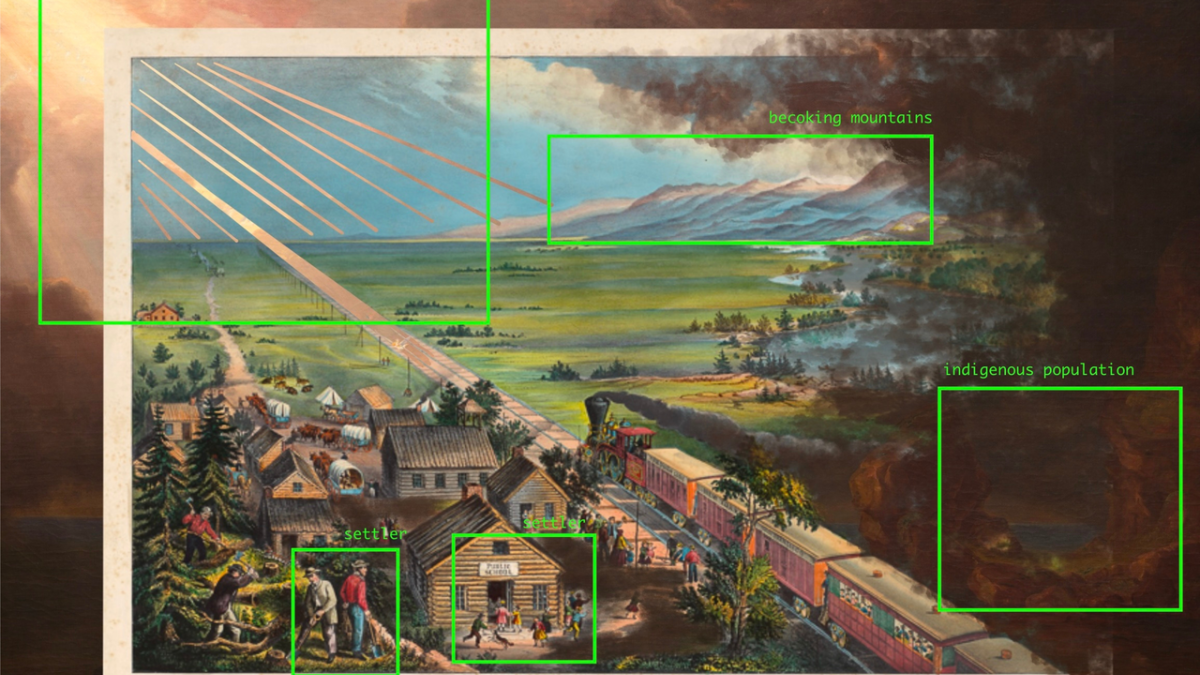
As Europe debates how far to go in pivoting away from US Big Tech, a cloud initiative provides a cautionary tale.
All the Ways Europe Is Ditching American Technology
A WIRED timeline shows how dozens of governments, companies, and other organizations across Europe are moving, or planning to shift, away from US Big Tech.

Mitigating Geopolitical Risks with Local-First Software and atproto
Martin Kleppmann discusses the urgent need for technological sovereignty in modern infrastructure. Exploring the shifting landscape of global tech dependencies, he shares how engineering leaders can leverage multi-cloud architecture, de facto API standardization, the AT Protocol, and local-first development paradigms to reclaim user agency and build highly resilient systems.
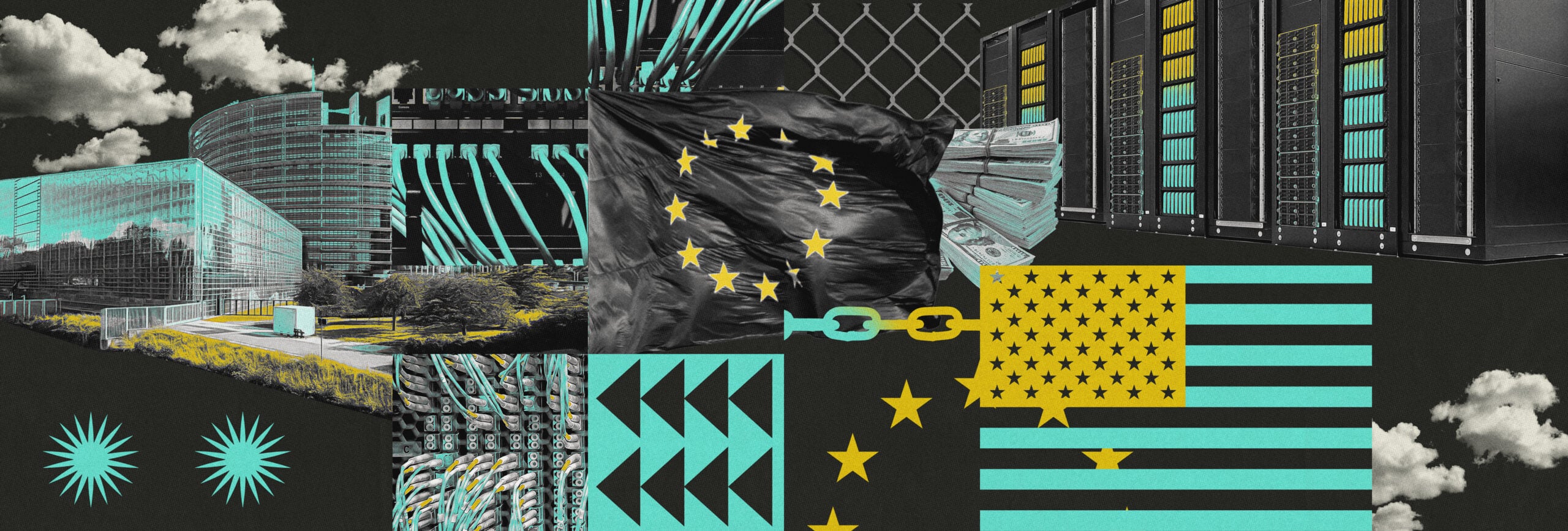
EU's data centre expansion will fast-track profits and power for US Big Tech and investors
The global competition to ‘win’ the AI-race is driving an unparalleled expansion of large-scale data centres across the world. Cloaked in a narrative of pursuing European tech sovereignty and adopting AI widely and rapidly, the EU is now proposing to fast-track data centre development across the region in what appears to be a gift to […]
QCon London 2026: Kleppmann on Mitigating Europe's Cloud Dependency with Local-First Software
Europe is completely dependent on US cloud services, Martin Kleppmann told QCon London. His fix: commoditise everything. He walked through three technologies he's helped build: multi-cloud via de facto standards, Bluesky's AT Protocol for social media, and local-first software for collaboration, all designed to make switching providers trivial and shift power back to users.

EU Wants To Break Up With US Tech
Wary of being vulnerable to the whims of foreign governments, the European Union is preparing far-reaching new moves to ditch American digital companies and Chinese chips in favour of European alternatives.

The Path to a Sovereign Tech Stack is Via a Commodified Tech Stack | TechPolicy.Press
Strategic standardization of cloud infrastructure backed by procurement power and market forces is the right way to tame the hyperscalers, writes David Eaves.
The EU Is Going Through a Trump-Fueled Breakup With Big Tech
France is already moving on from Zoom and Microsoft Teams in favor of homegrown alternatives. Other countries are quickly following suit.

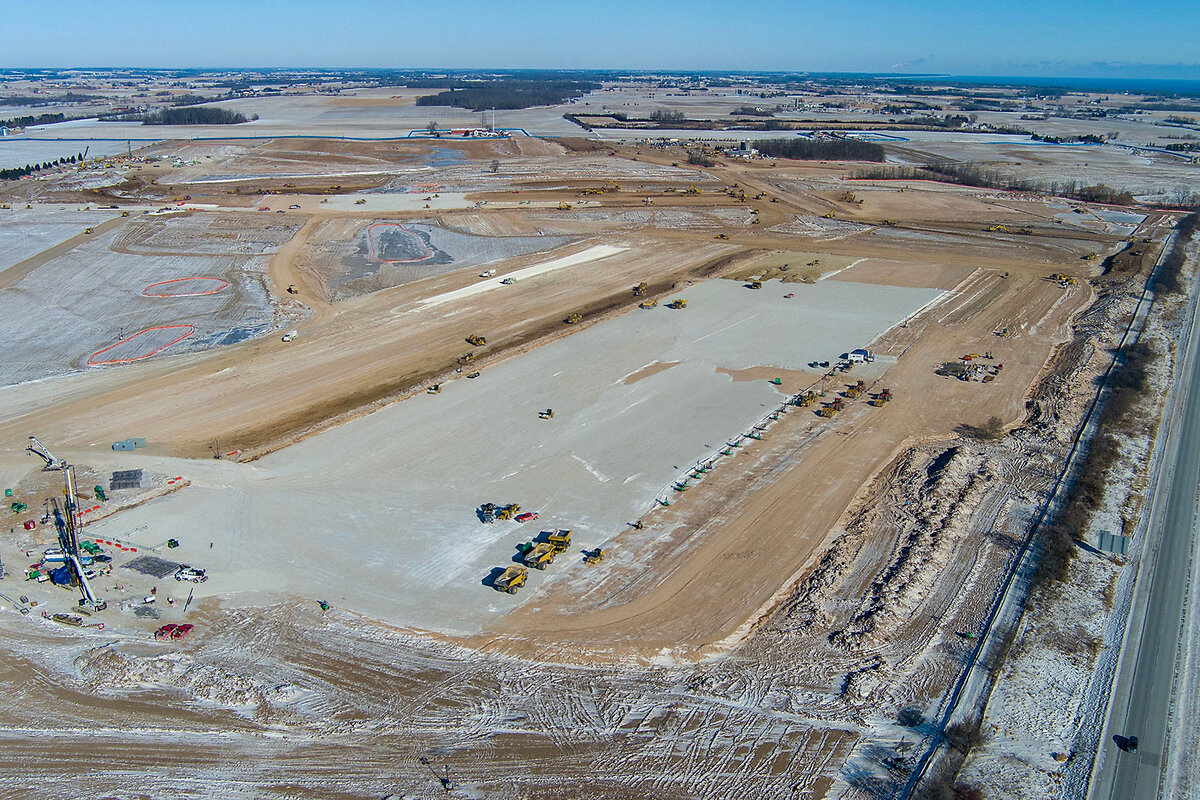
As tech companies race to build data centers, more communities are pushing back
Concerns about electricity bills and local impacts are fueling bipartisan opposition to the massive data centers that power the digital economy, from cloud services to AI chatbots. In Wisconsin, as in other states, the tussles are personal – and fraught.
EU-AI | Igor L.
The geopolitical landscape is shifting from physical borders to digital infrastructure. Here is a factual breakdown of how a $500 billion investment in "Sovereign AI" is changing global power dynamics. The Shift: From Land to "Substrate" Historically, a nation’s power was defined by its territory and legal systems (the Westphalian model). Today, power is increasingly tied to the compute substrate—the physical hardware and energy required to run AI. 1. Infrastructural Enclosure The "Sovereign Compute Coalition" (SCC) represents a massive consolidation of power. Major private entities are acquiring the three pillars of modern national strength: * Hardware: High-end AI chips (e.g., Nvidia). * Energy: The massive power grids needed to fuel them. * Data Centers: The physical "brains" of the digital economy. 2. The Rise of Technocracy As private companies own these essential tools, governments may find themselves in a position where they effectively "rent" their ability to govern. This moves decision-making power away from elected officials and toward those who control AI infrastructure. 3. Europe’s Strategic Response Europe is launching several initiatives to avoid becoming a "client state" of foreign tech providers. The strategy focuses on four main channels: * 8ra Initiative: Building a decentralized, multi-provider cloud-edge architecture to ensure data remains under European control and interoperable across borders. * ReArm Europe: A strategic defense package (presented in March 2025) aimed at boosting industrial competitiveness and reducing strategic dependencies in technology and defense. * Sovereign LLMs: Developing domestic models, such as Mistral, that are designed to align with European data privacy standards and cultural values. * Energy & Procurement: Using public procurement and new regulatory frameworks to create demand for homegrown, sustainable energy-efficient compute solutions. The goal of these moves is #DigitalSovereignty : the ability for a region to control its own digital destiny without relying exclusively on transnational monopolies. Data tells the real story. Are you following it? Follow #datanomics

What technology takes from us – and how to take it back | Rebecca Solnit
The long read: Decisions outsourced, chatbots for friends, the natural world an afterthought: Silicon Valley is giving us life void of connection. There is a way out – but it’s going to take collective effort

How Many More Cloud Scares Does Europe Need?
Robin Berjon urges the EU to dismantle the entrenched US monopolies that are undermining the goal of tech sovereignty.

Seize the Means of Computation - ProMarket
To regain internet autonomy from Big Tech companies, lower switching costs with legislation that allows new services to subvert network effects and encourage adversarial interoperability. Too often, our discussion of Big Tech’s dominance starts and ends with a simplistic account of network-effects-driven inevitability, as though the winner-take-all market we have today could not have been […]
The Cloud Is a Prison. Can the Local-First Software Movement Set Us Free?
Tired of relying on Big Tech to enable collaboration, peer-to-peer enthusiasts are creating a new model that cuts out the middleman. (That’s you, Google.)
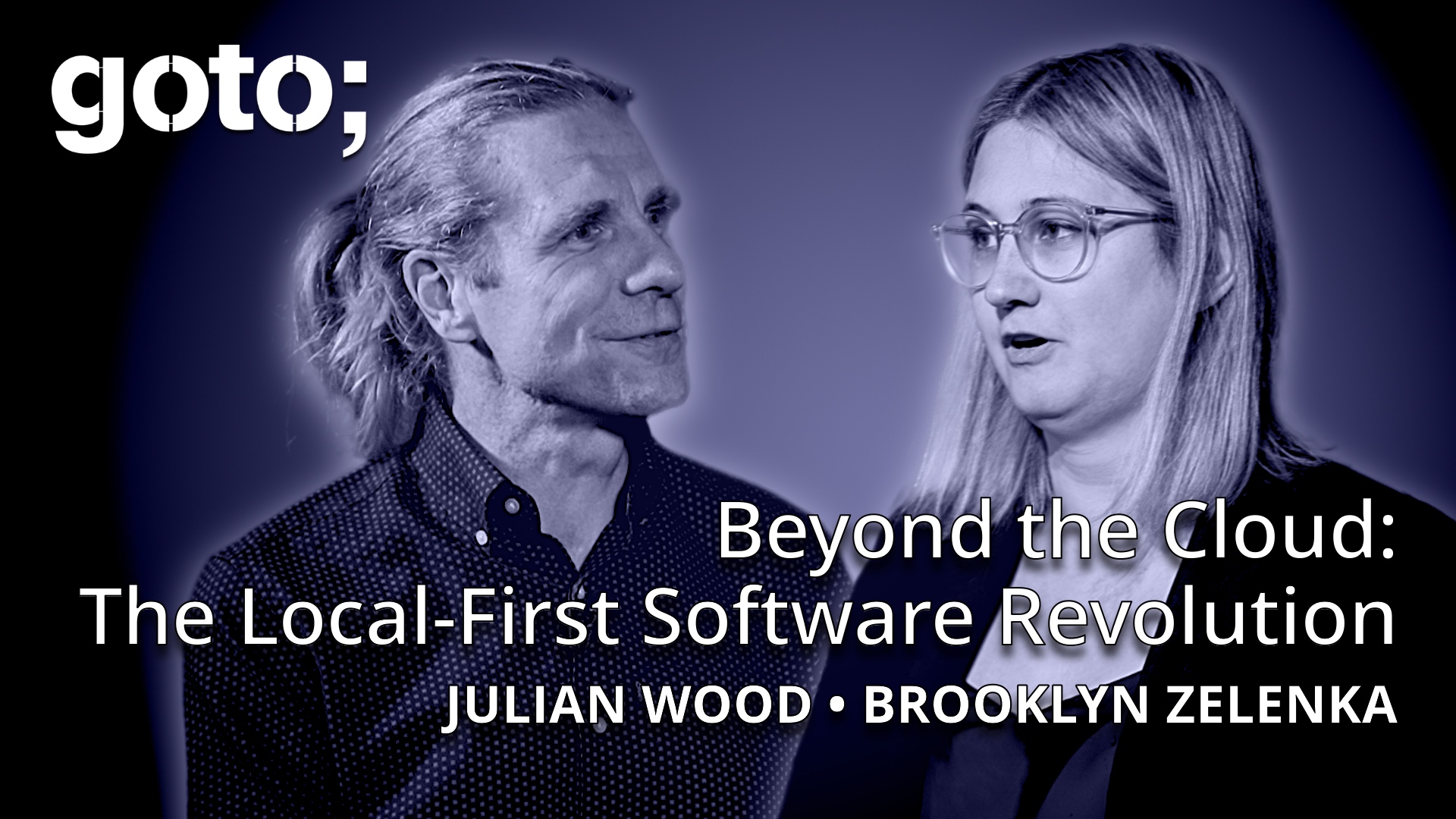
Beyond the Cloud: Brooklyn Zelenka on Local-First Software
Why rely on the cloud when your devices are already powerful? Brooklyn Zelenka explains how local-first computing is revolutionizing software development for collaboration without constant connectivity.
Something Big Is Happening
A personal note for non-tech friends and family on what AI is starting to change.