


Campaigners hope the threat of being hauled before the court scares politicians and executives into changing their behavior.
The people paid to spot risks see high chance of ‘global catastrophe’ within 10 years | CNN Business
Humanity faces a perilous future, marked by an explosion of disinformation turbocharged by artificial intelligence and the devastating effects of climate change.

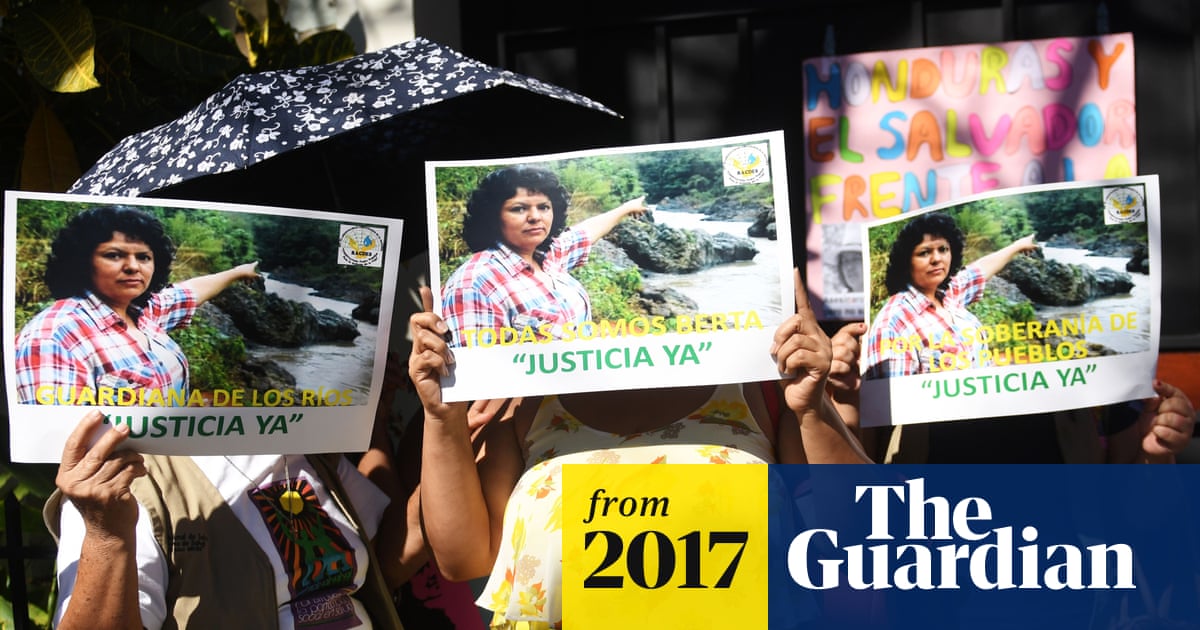
Environmental defenders being killed in record numbers globally, new research reveals
Exclusive Activists, wildlife rangers and indigenous leaders are dying violently at the rate of about four a week, with a growing sense around the world that ‘anyone can kill environmental defenders without repercussions’
One system, many deaths: structural violence, boundary capture, and the global political economy of harm
Critical scholarship, including this journal's work on infrastructural harm, documents organized harm that global systems produce across human and nonhuman populations. This article explains why th...

The climate crisis: a war on the world
The climate crisis is a self-destructive war, with aggressors and victims

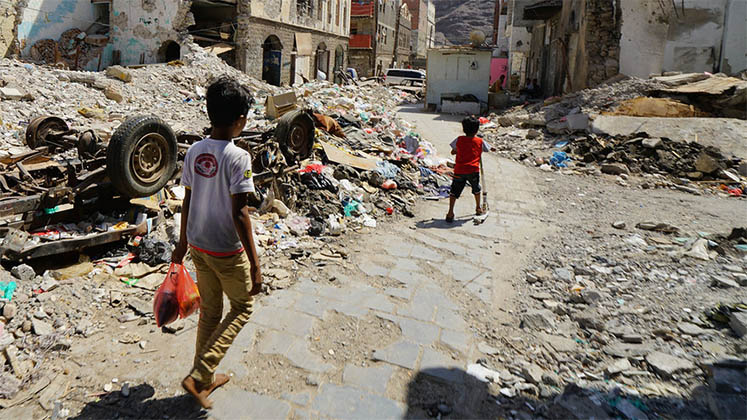
Opportunities to Improve Military Policies and Practices to Reduce Civilian Harm From Explosive Weapons in Urban Conflict
This research paper seeks to contribute to further thinking and dialogue among States and their militaries that conduct operations in urbanized environments on what more can be done to reduce civilian harm by proposing practical measures in the form of options for consideration. UNIDIR seeks to enhance knowledge on ways to reduce risks and mitigate harm to civilians from the effects of explosive weapons in urbanized environments. This research frames the issue of explosive weapons in the broader context of protection of civilians in urban conflict and focuses on multilateral operations. The research takes a comprehensive approach to civilian protection from a ‘risk reduction’ perspective—that is, seeking to understand where the risks and uncertainties lie in the entire ‘civilian protection life cycle’, recognizing that civilian harm is the cumulative effect of numerous risks and decisions made from formulating mandates, planning, execution, assessment and response to lessons learned and institutional learning. Particular focus is placed on the targeting and weaponeering processes. Citation: Roger Lane, Larry Lewis and Himayu Shiotani (2019) "Opportunities to Improve Military Policies and Practices to Reduce Civilian Harm From Explosive Weapons in Urban Conflict", UNIDIR, Geneva, Switzerland. https://doi.org/10.37559/CAAP/19/PACAV/11 TRANSLATIONS To read the report in French, click here.
Humanity’s Endgame
A new history of societal collapse by an expert in existential risk argues that our globalized society is edging toward the precipice.

Whose growth in whose planetary boundaries? Decolonising planetary justice in the Anthropocene
Abstract This critical analysis examines the geopolitics of planetary environmental injustice and the imperative for systems change to address the intertwined crises of climate breakdown and unsustainable economic growth. Climate breakdown has heightened attention to uneven anthropogenic use and abuse of the planet's biosphere and common pool resources. Recent arguments by climate scholars suggest that various planetary boundaries have already been breached, resulting in dramatic and harmful socio‐ecological consequences. These trends raise crucial questions of equity and justice, especially concerning responsibilities and impacts. By centring Global South perspectives, prevailing ideologies promoting hyperconsumption, overproduction and waste are interrogated. The incommensurability of socioecological justice with ongoing unsustainable extractive and exploitative economic growth paradigms, which contribute to further transgressions of planetary boundaries, underscore the urgency of decolonising underlying colonial‐capitalist ideologies and practices. This entails a fundamental reformulation of paradigms to envision a more just and sustainable future, one that dismantles oppressive systems and advances justice‐oriented praxis. , Short Abstract The geopolitics of planetary environmental injustice demonstrates the need for systems change to address climate breakdown and unsustainable economic growth. By centring Global South perspectives, prevailing ideologies promoting hyperconsumption, overproduction and waste are interrogated, highlighting the incompatibility of socioecological justice with extractive and exploitative growth paradigms. The breaches of planetary boundaries and their harmful socio‐ecological consequences further underscore the urgency of decolonising colonial‐capitalist ideologies and practices, necessitating the fundamental reformulation of paradigms to envision a more just and sustainable future that dismantles oppressive systems and fosters justice‐oriented praxis.

Political Scenarios for Climate Disaster - Dissent Magazine
In the Global North we often act as if our future will be a warmer version of today: liberal capitalism, plus flood insurance, minus coral reefs. That future is a fantasy.

‘Anti-petroleum’ movement a growing security threat to Canada, RCMP say
Documents obtained by Greenpeace raise environmentalists’ fears they’ll be targets of surveillance and dirty tricks under Bill C-51
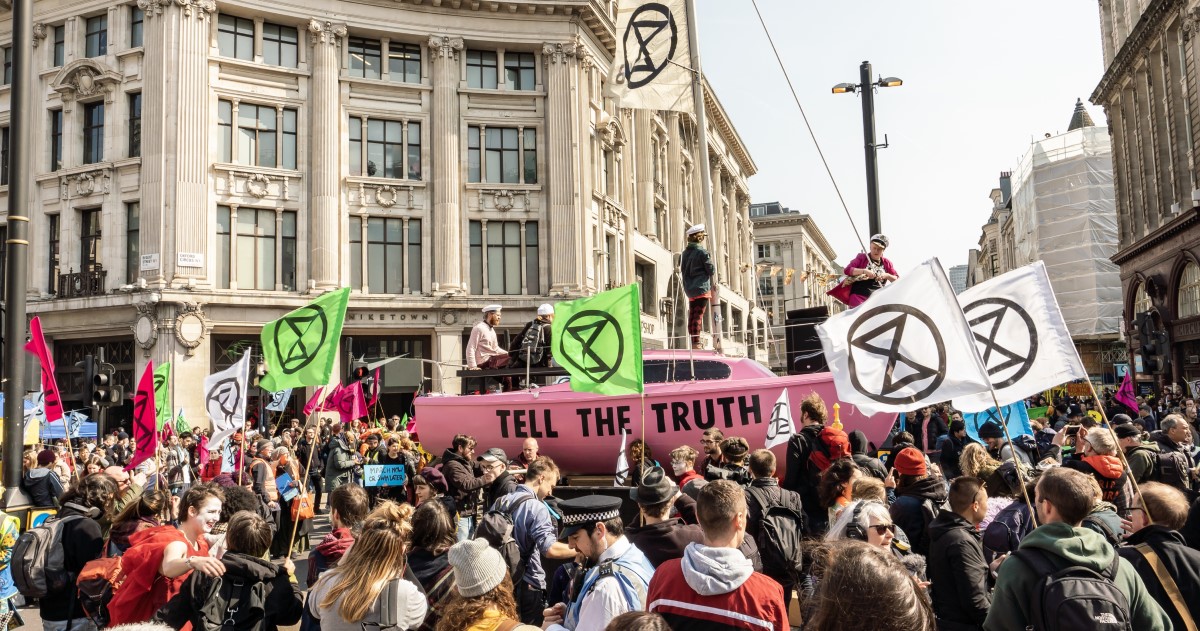
Home - Extinction Rebellion UK
We are facing an unprecedented global climate emergency. The government has failed to protect us. To survive, it's going to take everything we've got.
Extinctiopolitics: Existential Risk Studies, the Extinctiopolitical Unconscious, and the Billionaires’ Exodus from Earth
One of the most prominent intellectual attempts to grapple with human extinction in recent decades is existential risk studies.

What would it mean to treat climate change like a security threat?
In the realm of national security, we accept the need to make decisions in the face of clashing worldviews and incomplete information. David Roberts wonders what climate hawks can learn from security hawks.

Underestimating the Challenges of Avoiding a Ghastly Future
We report three major and confronting environmental issues that have received little attention and require urgent action. First, we review the evidence that future environmental conditions will be far more dangerous than currently believed. The scale of the threats to the biosphere and all its lifeforms — including humanity — is in fact so great that it is difficult to grasp for even well-informed experts. Second, we ask what political or economic system, or leadership, is prepared to handle the predicted disasters, or even capable of such action. Third, this dire situation places an extraordinary responsibility on scientists to speak out candidly and accurately when engaging with government, business, and the public. We especially draw attention to the lack of appreciation of the enormous challenges to creating a sustainable future. The added stresses to human health, wealth, and well-being will perversely diminish our political capacity to mitigate the erosion of ecosystem services on which society depends. The science underlying these issues is strong, but awareness is weak. Without fully appreciating and broadcasting the scale of the problems and the enormity of the solutions required, society will fail to achieve even modest sustainability goals.

Climate change deniers’ new battle front attacked
‘Pernicious’ campaign is unfair on well-meaning people who want to help – expert
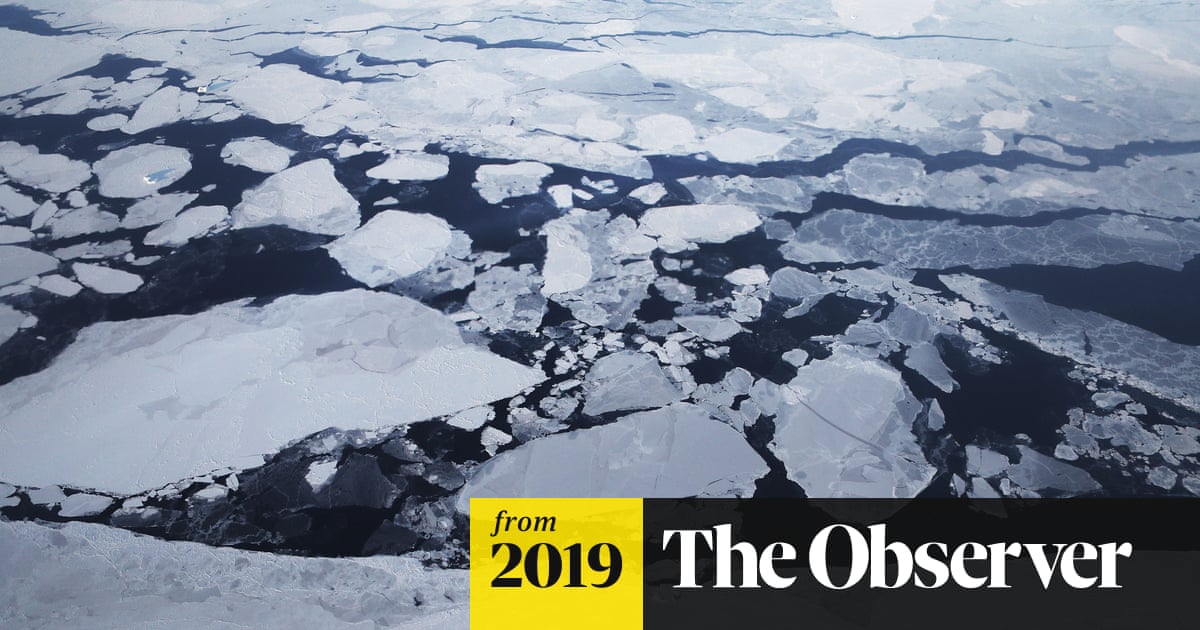
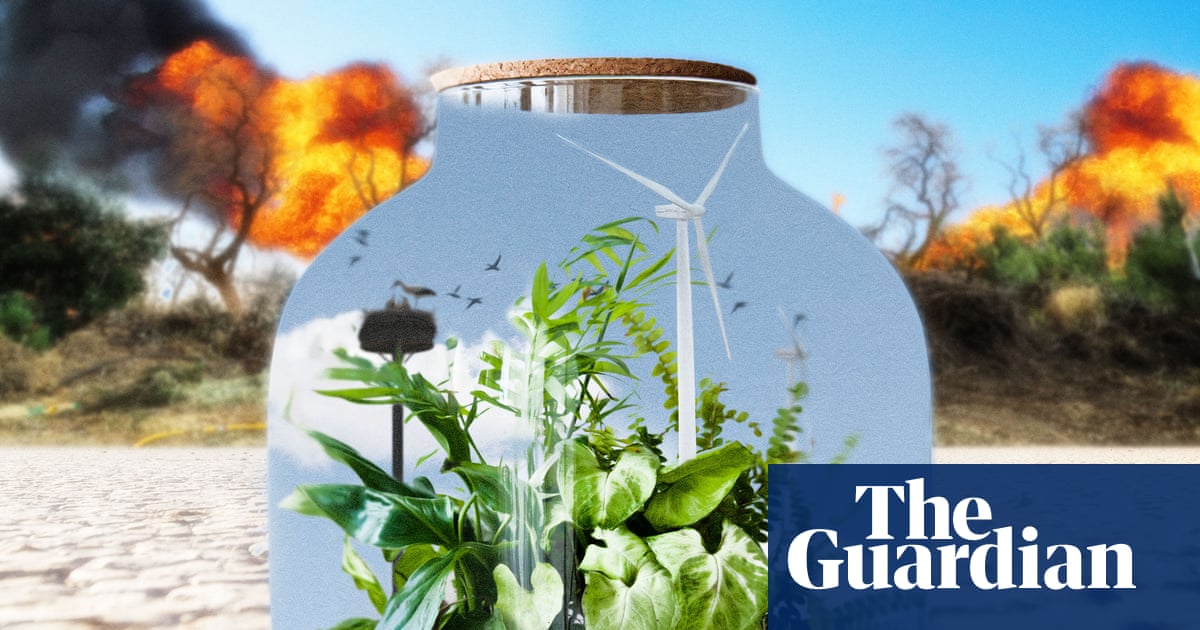
We asked our climate reporters to highlight one idea for positive change. We got a chronicle of global transformation
There are countless initiatives around the world that can inspire people and spur them into action. Amid the devastation of the climate crisis, our journalists strive to highlight these stories of hope
Climate Change and Hybrid Warfare Strategies
Concepts of hybrid warfare and climate security are contested on their own, and are rarely considered as connected in planning for future security risks. Yet climate change presents new hazards for national security, and opportunities for those looking to foment instability and uncertainty in traditional institutions. This article examines the connections between climate change risks and hybrid war strategies, and focuses on concepts of resilience targeting, information warfare, and geoengineering, illustrating that ‘full spectrum’ analyses of security are necessary in developing future security strategies.