“Deterrence only works if it’s credible,” top officer warns.
Putin’s High-Tech Russian Submarines Goad NATO Deep Below the Atlantic
NATO is fighting back against Russia’s submarine threat in cat-and-mouse games reminiscent of the Cold War

Internal USAID Report Admits Zelensky Is Corrupt And NATO Expansion Provoked Ukraine War.
An Internal USAID Report Admits That NATO Expansion Provoked The Russian Invasion Of Ukraine.

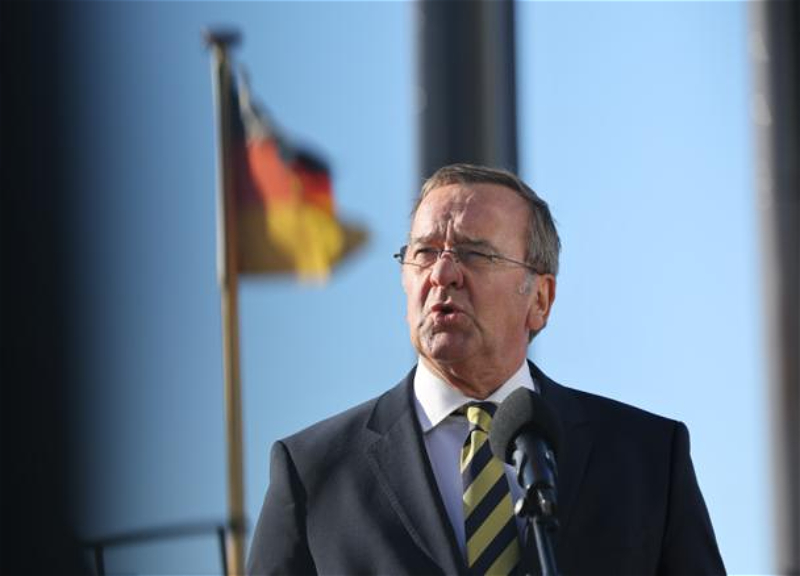
German defense minister fears the country's secret defense plan will fall into the hands of the AfD
German Defense Minister Boris Pistorius fears that the classified operational plan for Germany's defense (OPLAN) could end up in the ...
Poland should ‘begin work’ on nuclear defenses, Nawrocki says
Warsaw should base its security strategy around ‘nuclear potential,’ Polish president said.

Signals of Trouble: Multiple Russia-Aligned Threat Actors Actively Targeting Signal Messenger | Google Cloud Blog
Russia state-aligned threat actors target Signal Messenger accounts used by individuals of interest to Russia's intelligence services.
Operation InfeKtion: How Russia Perfected the Art of War | NYT Opinion
Dispersed, Disguised, and Degradable: The Implications of the Fighting in Ukraine for Future U.S.-Involved Conflicts
Wars reveal new information about warfighting and can spur changes in how foreign observers prepare for future conflicts. In this report, the authors make eight novel or notable observations about the Russia-Ukraine war and forecast how these observations might translate to a potential NATO-Russia or U.S.-China war. The authors also identify broader tactical, operational, and strategic implications for U.S. policymakers.

I’m Calling It. Time for a New NATO | The Tyee
The ‘New Alliance Treaty Organization’ could offer real protection from what’s brewing in the US.

Opinion | ‘Russia is a threat’: Estonia frets about its neighbor
In an interview, President Kersti Kaljulaid says Trump must stand up to Moscow.

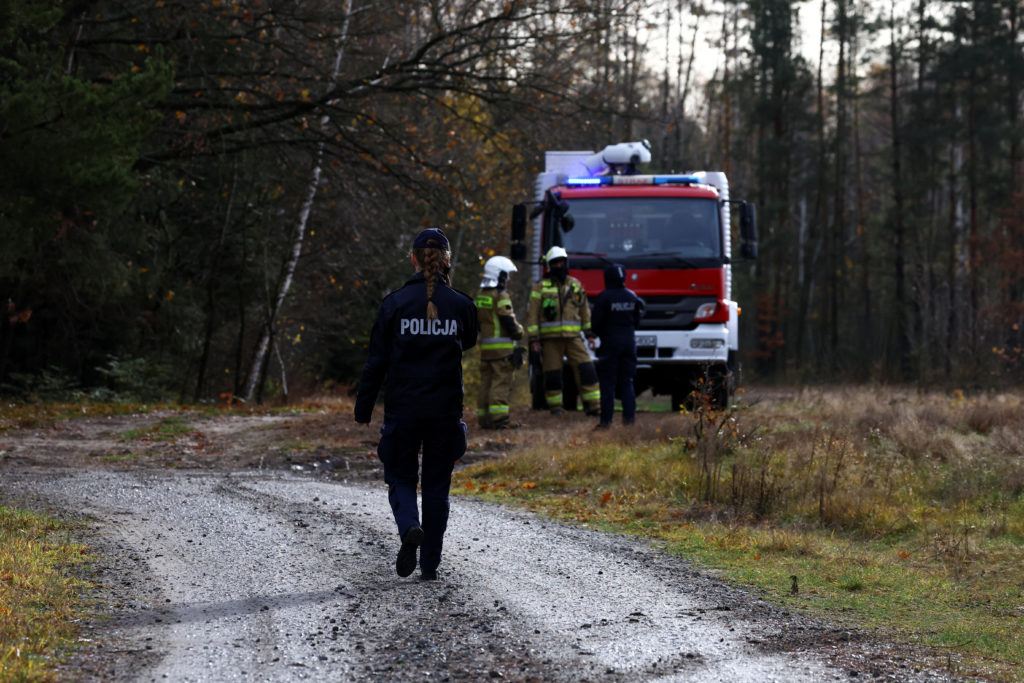
NATO calls Russian missiles landing in Poland a 'grave violation' of airspace
Two Russian missiles and a suspected drone came down in Poland on Friday in what its prime minister said was likely a provocation timed to coincide with European military exercises in his country for a possible postwar mission in Ukraine.
US reacts to Kyiv's claim it received no advance notice of Russian ballistic missile launches
In the Oct. 19 attack on Kyiv, at least one person was killed, and eight others were injured as Russian missiles struck Kyiv in multiple waves overnight.

“To Prevent War, NATO Must Spend More”
Speech by NATO Secretary General Mark Rutte at the Concert Noble, Brussels
Military Strategy in a Complex World — New England Complex Systems Institute
A strategy is a plan, method, or series of actions for obtaining a specified goal. A military strategy typically employs the threat or use of military force to advance goals in opposition to an adversary, and is called upon where large scale force is viewed as the way to achieve such goals. Strategic thinking is traditionally focused on which part or combination of land, air, and naval forces is most effective. This may be too narrow an approach to accomplishing the ultimate end, which is generally political influence or control—or preventing influence or control by others—and almost never consists of physical destruction itself. In order to broaden the discussion of military strategy, we consider here three distinct effects of inflicting stress on an opponent: a) A fragile system is damaged—possibly catastrophically, b) A robust system is largely unaffected, retaining much or all of its prior strength, c) Some systems actually gain strength, a property which has recently been termed antifragility. Traditional perspectives of military strategy implicitly assume fragility, limiting their validity and resulting in surprise, and assume a specific end state rather than an overall condition of the system as a goal. Robustness and antifragility are relevant both to offense, in attacks against the enemy, and defense, in meeting attacks against one’s own forces. While robustness and antifragility are desirable in friendly systems, an enemy possessing these characteristics undermines the premise that an attack will achieve a desired increase in control. Historical and contemporary examples demonstrate the failure of traditional strategies against antifragile enemies—even devastating damage inflicted upon nations or other organizations did not weaken and defeat them, but rather strengthened them, resulting in their victory. Underlying such successful responses are socio-economic or political strengths. Our discussion is a basis for scientific analysis of the historical and contemporary conditions under which distinct types of strategies will be successful and provides guidance to improved strategic thinking.

These LLMs are the best at resisting Russian propaganda
Estonian government benchmark shows how dozens of models combat Russia's "strategic narratives."
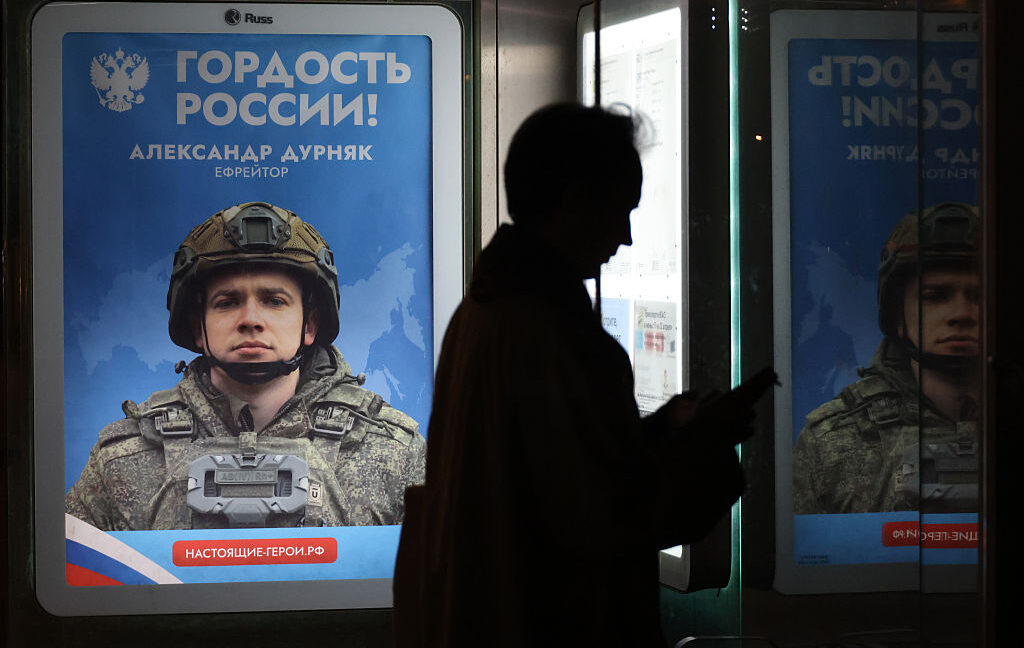
International UN talks on controlling use of autonomous weapons collapse
Week-long efforts fail to establish negotiating mandate on AI warfare after Russian ‘filibustering’

Archived Fact-Checked Media — MediaVault
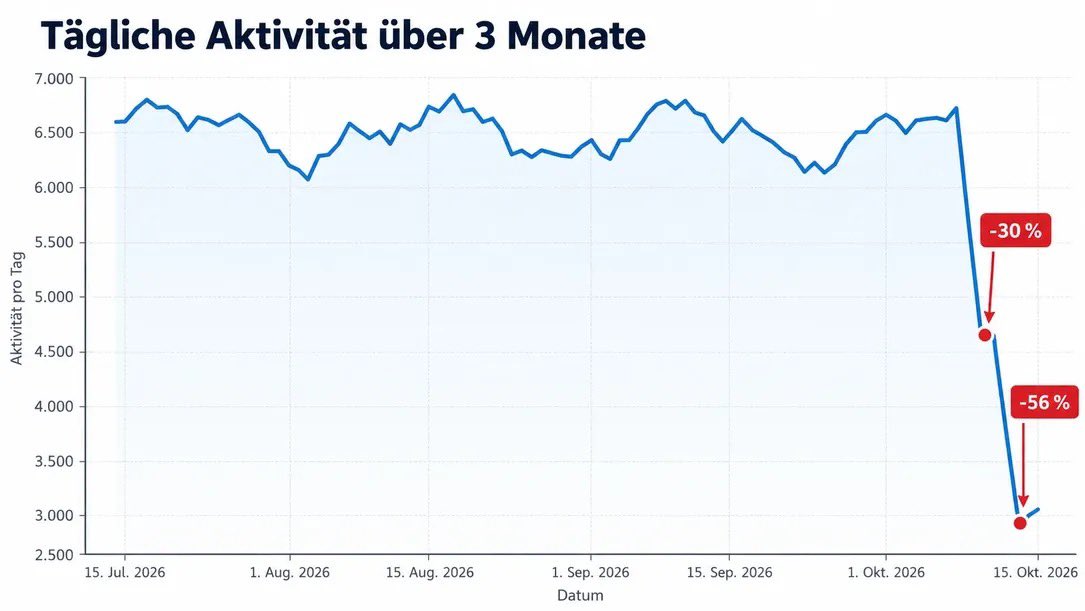
“If confirmed, this is telling: Russian data centres get hit, and online activity around AfD suddenly plummets. 📉 So much talk about German patriotism… then the connection from Russia goes down. 🤔🇷🇺 https://t.co/hEPJkIVtA3”