


At times it seems that for the better part of the last decade, the UK infrastructure sector has lived in a state of perpetual delivery rehearsal – debating reforms, publishing strategy papers, and navigating post-pandemic inflation. But as we enter 2026, our collective resolve must stiffen.
2026 Victorian Election
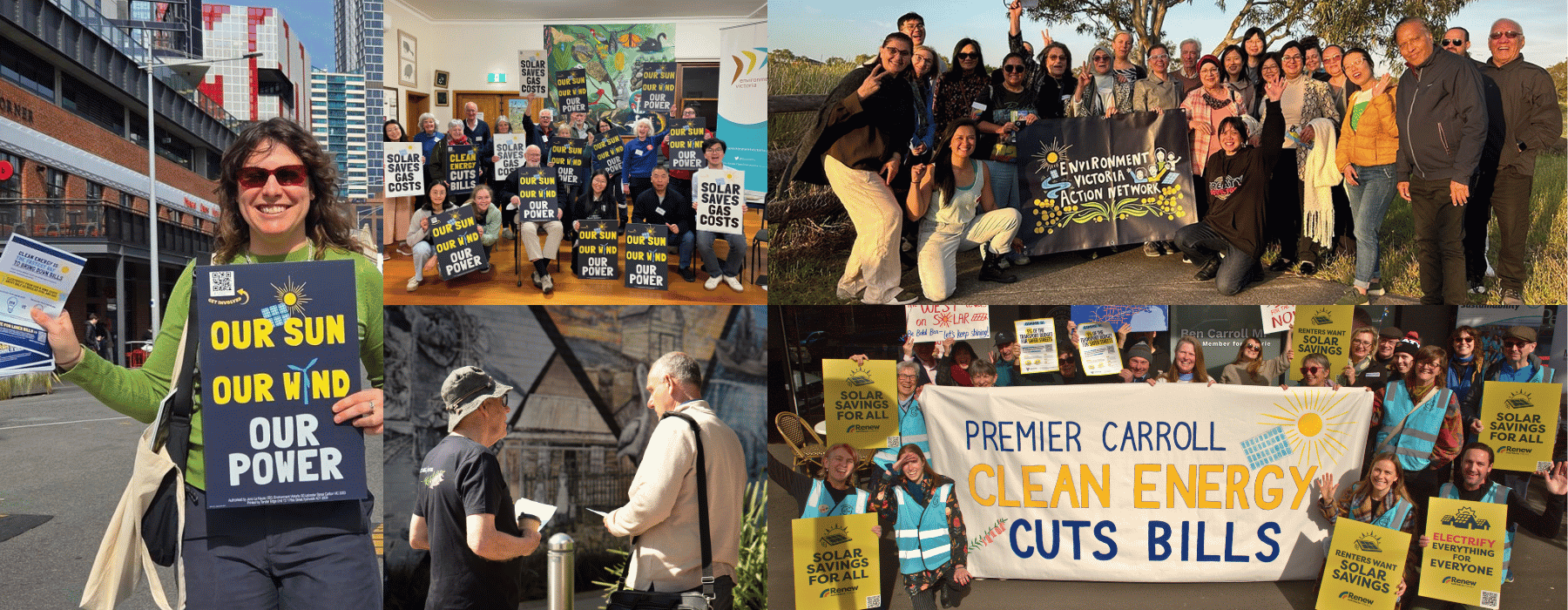
Take action now DONATE TO POWER THE CAMPAIGN This state election will determine what climate policies guide us into the next decade. Will we abandon our hard-fought progress, or will we ramp up ambition? None of us can change things as individuals, but together we can change what’s politically possible. In the coming months
Welcome to 2026!
Hello Handmade Network, and happy new year! 2025 was a relatively quiet year for us where we focus…

Community Wealth Building (Scotland) Act 2026
This version of this Act contains provisions that are prospective.
How to fight hate: New Humanist’s Autumn 2026 issue is out now
With race riots on the rise and the populist right gaining traction, we ask how the UK can push back


The UK tech energy grab: how AI data centres are delaying the building of homes
Artificial intelligence infrastructure is being handed priority access to Britain's overwhelmed electricity grid, pushing housing down the list. But as the US shows, there's an alternative: make Big Tech pay for the power it needs. Report by Nicole Kobie


Wrap to 2025, Proem to 2026
Technological Paradigm Shifts are fundamental changes in technology that reshape industries and society.


How Infrastructure Works: Transforming our shared systems for a changing world
'Pulsing with wisdom and humanity... a masterpiece' ED YONG'A hopeful, lyrical - even beautiful - hymn to the systems of mutual aid we embed in our material world' CORY DOCTOROW'An extraordinary book' MARK MIODOWNIK'You won't see the world the same after reading this book!' AUSTIN KLEONEvery day, we are granted the power to travel at high speeds, fly, see in the dark, summon water from distant mountains and electricity from the sun. The systems that run our world are invisible to us until they fail.Infrastructure enables lives of astounding ease and freedom that would have been unimaginable just a century ago. These technological systems - the most complex and vast ever created by humans - have allowed us to work collectively for the public good. But these systems are now beginning to fail us.Engineering professor Deb Chachra takes readers on a fascinating tour of these essential utilities, revealing how they work, what it takes to keep them running, and just how much they shape our lives - but also the price they extract, who pays it and in what ways, as well as the threats to our infrastructure in a changing world.From Snowdonia's Electric Mountain to a solar plant in southern India, Chachra shows how we can rebuild our shared infrastructure to be not just functional but also equitable, resilient, and sustainable. We need to learn how to see these systems and to transform them, together, because the cost of not being able to rely on them is unthinkably high.


2025.21: The Upheaval Coming for the Internet Economy
The best Stratechery content from the week of May 19, 2025, including AI and the future of the web, slam dunks and moonshots at Google, and OpenAI entering the hardware business.

Debt is Coming
Ten years from now, what seismic change will we reflect back on and think, “well that was pretty obvious, in retrospect”? Debt is going to finally come to the tech industry. We can hat…

The 2026 MCP Roadmap
The updated Model Context Protocol roadmap for 2026: transport scalability, agent communication, governance maturation, and enterprise readiness, plus guidance on SEP prioritization and how to get involved.

Supporting AT Proto development with money and infrastructure should be a no-brainer for EU industrial policy. In fact, given the need for alternatives to US-owned platforms, comparative advantage, and infinite downstream benefits, few areas offer a bigger bang for your industrial policy buck.

Eurosky Sebastian
2 days ago I had the opportunity to participate in the European Commission‘s workshop on the future of social networks in Europe, together with researchers, entrepreneurs, policymakers, investors and civil society representatives.
