The mineral is crucial for fertilizers, but nobody knows how much there is.
Phosphate shortage: The dwindling resource required to grow food
By 2030, the world's population is projected to be about 8.5 billion people. Global food security is a major concern for governments—zero hunger is the second most important of the United Nations Sustainable ...

Excess phosphorus from compost applications in urban gardens creates potential pollution hotspots
Abstract Urban sustainability initiatives often encompass such goals as increasing local food production, closing nutrient loops through recycling organic waste, and reducing water pollution. However, there are potential tradeoffs among these desired outcomes that may constrain progress. For example, expansion of urban agriculture for food production may create hotspots of nutrient pollution if nutrient recycling is inefficient. We used gardener and urban farmer survey data from the Twin Cities Metropolitan Area (Minnesota, USA) to characterize phosphorus (P) and nitrogen (N) inputs and harvest in order to determine nutrient use efficiencies, and measured soil P concentrations at a subset of these sites to test whether excess soil P was common. All survey respondents (n = 142) reported using some form of soil amendment, with plant-based composts being the most common. Median application rates were 300 kg P/ha and 1400 kg N/ha. Median nutrient use efficiencies were low (2.5% for P, 5.0% for N) and there was only a weak positive relationship between P and N inputs and P and N harvested in crop biomass. Garden soils had a median Bray P value of 80 ppm, showing a buildup of plant-available P far exceeding recommended levels. Our results show that urban gardens are characterized by high nutrient inputs and inefficient conversion of these nutrients into crops, leading to buildup and potential loss of P and N from garden soils. Although urban gardens make up only 0.1% of land area in the Twin Cities, compost application to these urban gardens still constitutes one of the largest inputs of P to the watershed. In order to maximize desired outcomes from the expansion of urban agriculture (UA), it will be necessary to target soil amendments based on soil nutrient levels and crop nutrient demand.
“Elephant in the room”: Clean energy’s need for unsustainable minerals
Our need for minerals may strain supply and lead to environmental issues.

Dirt Poor: Have Fruits and Vegetables Become Less Nutritious?
Because of soil depletion, crops grown decades ago were much richer in vitamins and minerals than the varieties most of us get today
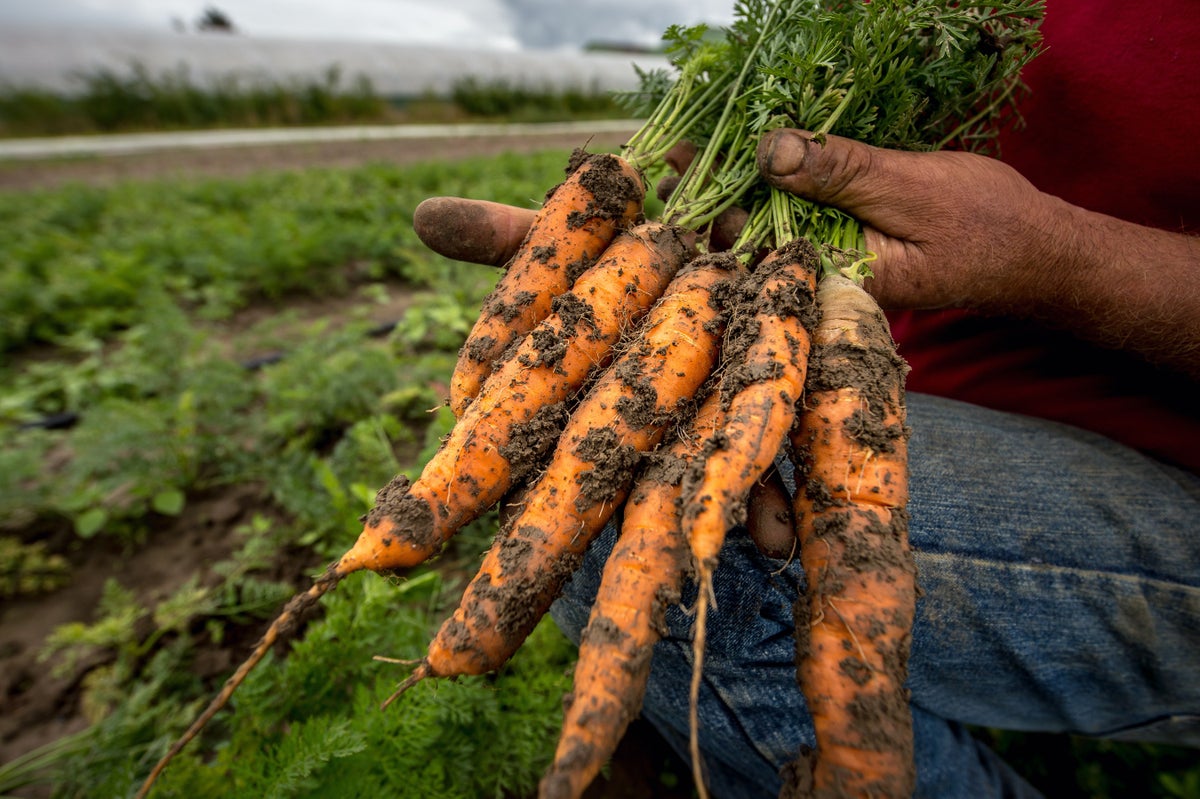
Canada's Nutrien Eyes Prolonged Global Fertilizer Disruption From Invasion Of Ukraine
Canada's Nutrien Ltd, the world's biggest fertilizer producer, said on Tuesday that Russia's invasion of Ukraine could result in prolonged disruptions to the global supply of potash and nitrogen crop nutrients.

Biogeochemical constraints on climate change mitigation through regenerative farming
This review suggests that most of the management practices associated with regenerative agriculture are not likely to lead to a large net sequestration of organic carbon in soils. Some improved management practices, such as increased fertilizer use, manuring, and applications of biochar, are constrained by biogeochemical stoichiometry and the availability of organic inputs. Other management practices, such as fertilizer applications, irrigation, and applications of ground silicate minerals, entail ancillary and off-site emissions of carbon dioxide that reduce the net sequestration of carbon in soils. Carbon sequestration in agricultural soils, even with best management practices, is only likely to offer a small net storage of carbon that can be marketed as a credit to emissions from other sectors of the economy.

We should discuss soil as much as coal (2019) | Hacker News
Then on the vein of soils, we're actually running out of arable soil. Soil erosion is a huge problem around the world and industrial farming is a large part of the problem. Farm plots are never left to fallow and replenish, all nutrients and organic matter are stripped out and replaced with liquid chemical fertilizers, that run off the fields and pollute waterways.
Better Tomatoes Via a Fertilizer of…Human Urine?
You say tomayto, I say tomahto. You say Miracle-Gro, I say ... pee. Apparently, human urine works remarkably well as a fertilizer for tomatoes, according to a new study out of Finland. Plants fertilized with a mixture of stored human urine and wood ash produced 4.2 times more fruit than plants without the pee, the study found. The urine-fertilized tomatoes had more beta-carotene than unfertilized ones, and much more protein than traditionally fertilized plants.

Home
The Rich Earth Institute recycles human urine into fertilizer. This work supports sustainable agriculture and protects vital water resources. Learn More
The World Is Running Out of Sand
It’s one of our most widely used natural resources, but it’s scarcer than you think.

How to Make and Use Comfrey Tea Fertilizer | Gardener’s Path
Learn to make your own comfrey tea fertilizer, an organic, easy, and free way to feed your plants and recycle nutrients back into the soil. Read more now.
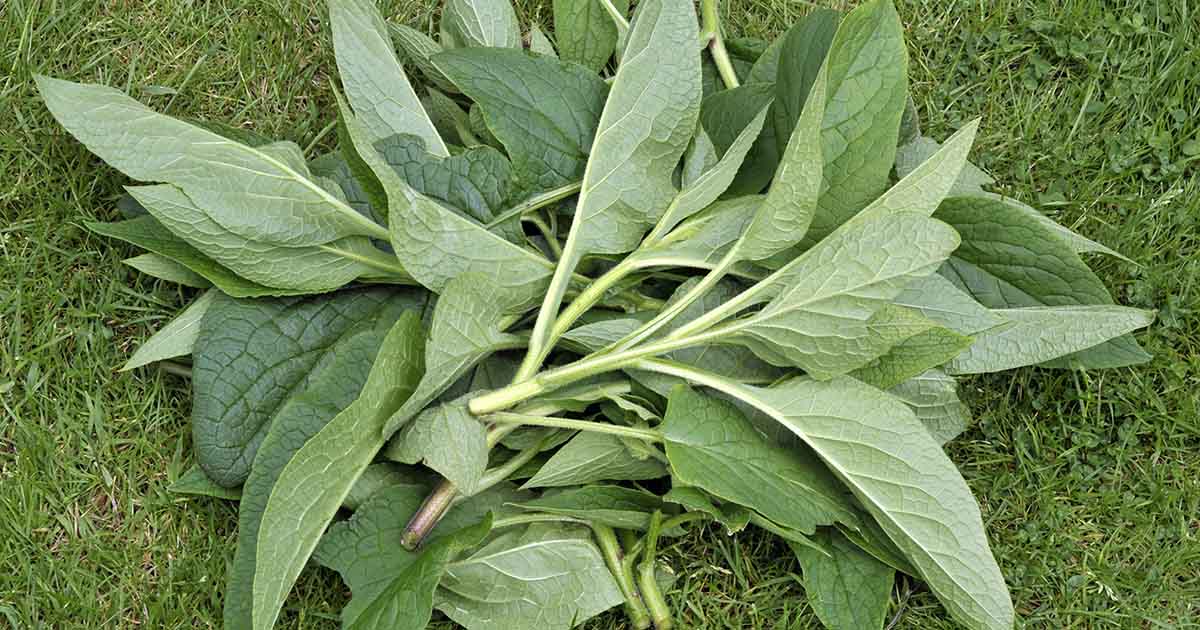
The great nutrient collapse
The atmosphere is literally changing the food we eat, for the worse. And almost nobody is paying attention.

The great nutrient collapse
The atmosphere is literally changing the food we eat, for the worse. And almost nobody is paying attention.
Vegetables are losing their nutrients. Can the decline be reversed?
A process called biofortification puts nutrients directly into seeds and could reduce global hunger, but it’s not a magic bullet

Mulch ado! How to have extremely healthy garden soil
Good earth is at the heart of my approach to growing – and now is the perfect time to give it a boost

Enough with 'local' and 'organic'. We'll begin to eat well when we farm well | James Rebanks
We need to know how and where our food is grown and thereby take more responsibility for the planet