


Weaving a post-appitalist future. Decomposing the data silos of capitalist business models.
The end of capitalism has begun
Without us noticing, we are entering the postcapitalist era. At the heart of further change to come is information technology, new ways of working and the sharing economy. The old ways will take a long while to disappear, but it’s time to be utopian

Capitalism Tech Stack Map — A Cross-Civilization Infographic (D3 Force)
Infrastructure for Interdependence: Building technology in service of collective power
[This document serves as a memo for investors]
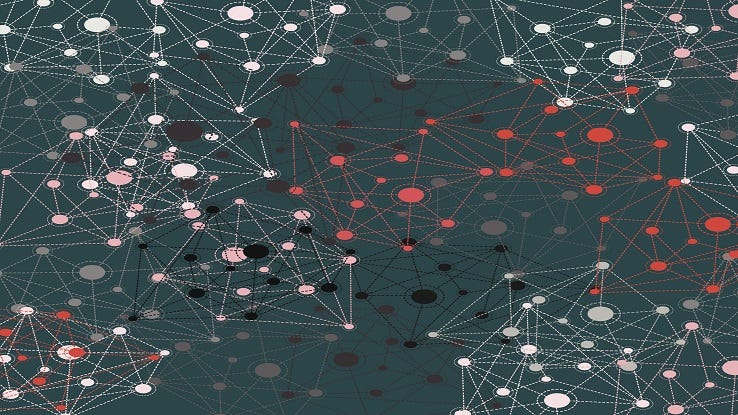
Cognitive Capitalism - Public Seminar
There are broadly three ways of thinking historically about capitalism. One draws on Marx’s value theory and pretty much treats...Read More

Stuck in the middleware with you: the challenges of capitalizing a market-oriented approach to platform governance
T1 - Stuck in the middleware with you: the challenges of capitalizing a market-oriented approach to platform governance
What will be scarce?
The economics of structural change and the post-commodity future of work
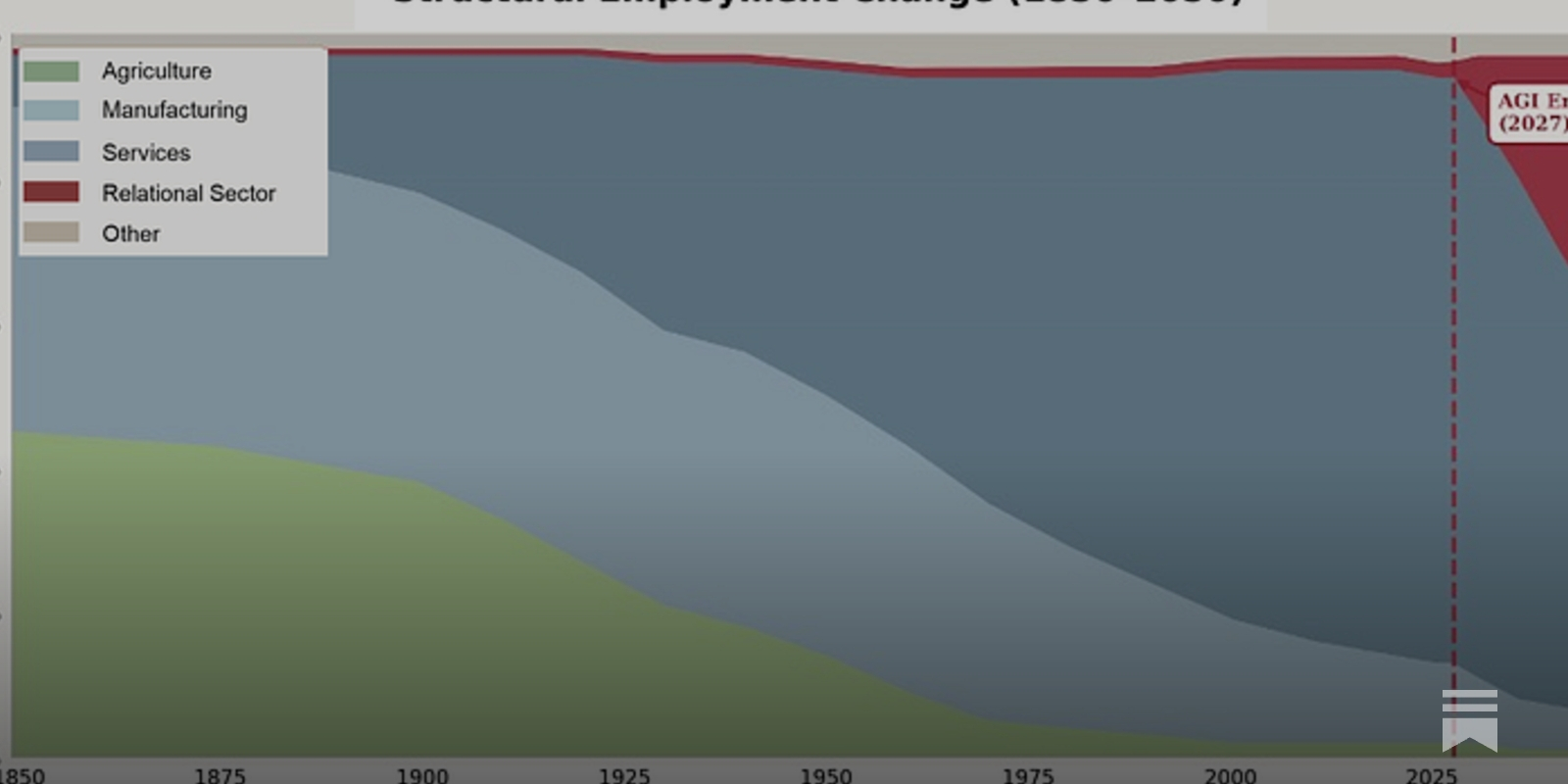
Will capitalism end capitalism? | Steve Loftus | The Critic Magazine
Imagine waking up one morning to discover your job still exists, but your services are no longer required. The work is being done, just not by you, not by anybody. Somewhere, a machine is doing it…
Liberatory Computing
We live under a capitalist mode of computing. The tools, languages, techniques, and assumptions of digital systems are structured by economic forces that shape not just what we can do, but what we can imagine doing. By separating production from use, producing inflexible software, and slicing up computing into siloed apps, your agency is held back by a tech industry that profits from a population rendered computationally passive.
Liberatory Computing
We live under a capitalist mode of computing. The tools, languages, techniques, and assumptions of digital systems are structured by economic forces that shape not just what we can do, but what we can imagine doing. By separating production from use, producing inflexible software, and slicing up computing into siloed apps, your agency is held back by a tech industry that profits from a population rendered computationally passive.

CYBER-COMMUNISM by Richard Barbrook | Imaginary Futures
‘…is the impact of the …information revolution on capitalism not the ultimate exemplification of… Marx’s thesis that: “at a certain stage of their development, the material productive forces come into conflict with the existing relations of production…”? …does the prospect of the… “global village” not signal the end of market relations… at least in the sphere of digitalised information?’ (Zizek 1998: 33-4)
Preface | The World After Capital
Since publishing the previous version of The World After Capital, I have met with people across the political spectrum to discuss the ideas from the book. When I present these in person, I emphasize that the ideas are neither left nor right but forward (credit to Scott Santens who first used this phrase about Universal Basic Income). My writing, however, at times has alienated readers who identify as being more on the right. In this new edition, I am therefore making an extra effort to emphasize how both my diagnosis of where we are at and my suggestions for how to move forward do not map onto the existing political divides. Instead this is a new way of understanding our challenges and opportunities that can be the basis for movements and parties that are not trapped in Industrial Age ideology.
"I think thinking about it in terms of new institutions is really a useful way to think about it. It's funny for me as a VC, because I think a lot of this stuff will and even goes for us to say should be illegible to venture capital in a lot of ways." - @eclecticcapital.bsky.social

The Economics of Sovereign Media: A Roadmap for AT Protocol | ATmosphereConf VODs
atmosphereconf-vods.wisp.placePost-appitalism rejects the super-app as a meaningful alternative to todays app-based production of software. An app that becomes so big that it starts sucking in smaller apps perpetuates the same dynamics no matter how well integrated the smaller apps can be.

𝕮
post-appitalism post-appitalism.app