


delftopenhardware/awesome-open-hardware
🛠Helpful items for making open source hardware projects.
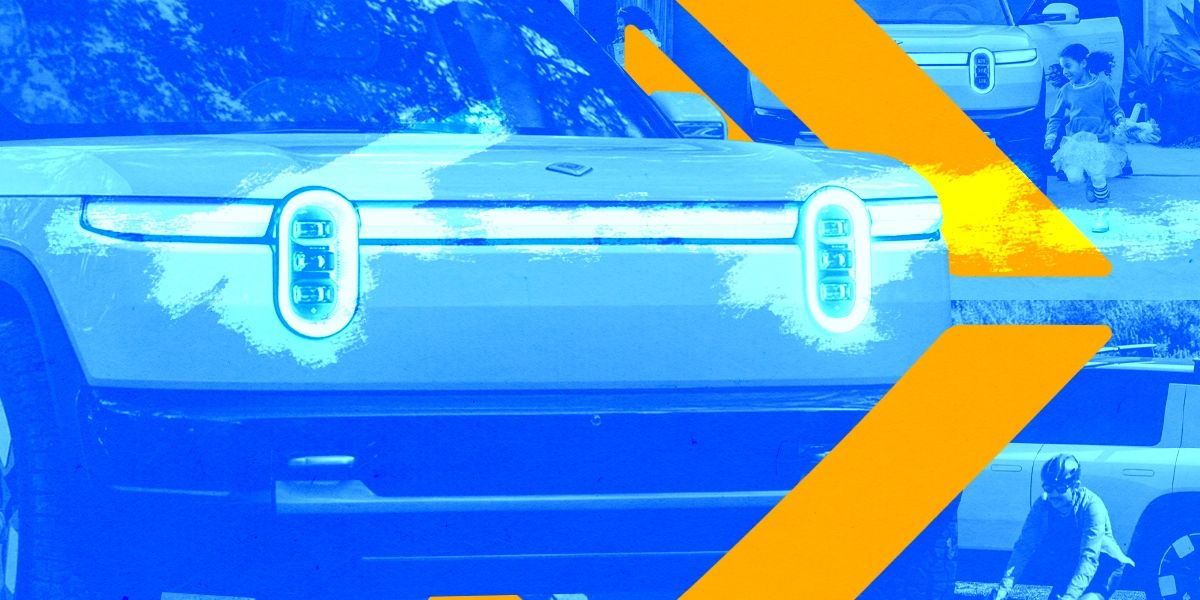
Rivian Did It
The U.S. electric vehicle maker’s make-or-break model, the R2, is finally here — and it’s pretty fun to drive.
Paul In The Lab
Electronics Projects For Hobbyists Makers And Hackers With Stripboard Layouts
VoltAgent/awesome-design-md
A collection of DESIGN.md files analysis by popular brand design systems. Drop one into your project and let coding agents generate a matching UI.
dyad-sh/dyad
Local, open-source AI app builder for power users ✨ v0 / Lovable / Replit / Bolt alternative 🌟 Star if you like it!
Static! Designing for energy Awareness
From the boost of the first cup of coffee in the morning to the glow of a nightlight that keeps a child company after dark, much of our contemporary lifestyles is powered by electricity. Today, however, the economic and environmental costs of energy require us to think again. While recognizing the complex social functions and cultural forms of electricity in everyday life, the current challenge for design is to change practices and patterns of (over)consumption. Static! explores design as a basis for increasing awareness of energy. Familiar furnishings and products have been reinterpreted to materialize electricity, to make it more visible and tangible for people. The resulting series of conceptual design examples express the poetics – and politics – of everyday electricity consumption. A design research project at the Interactive Institute funded by the Swedish Energy Agency, Static! has proved to be a pioneer in opening a current and critical research area at the intersection of design, energy and information technology. This book presents the Static! design examples and perspectives on issues in (sustainable) design today. Grounded in passion and humor, as well as rigor and research, the book asks designers and consumers – that is, all of us – to rethink the form, and future, of electricity in the world around us. Editor: Ramia Mazé. Authors: Christina Öhman, Sara Backlund, Johan Redström, Ramia Mazé, Sara Ilstedt Hjelm, Sara Routarinne.
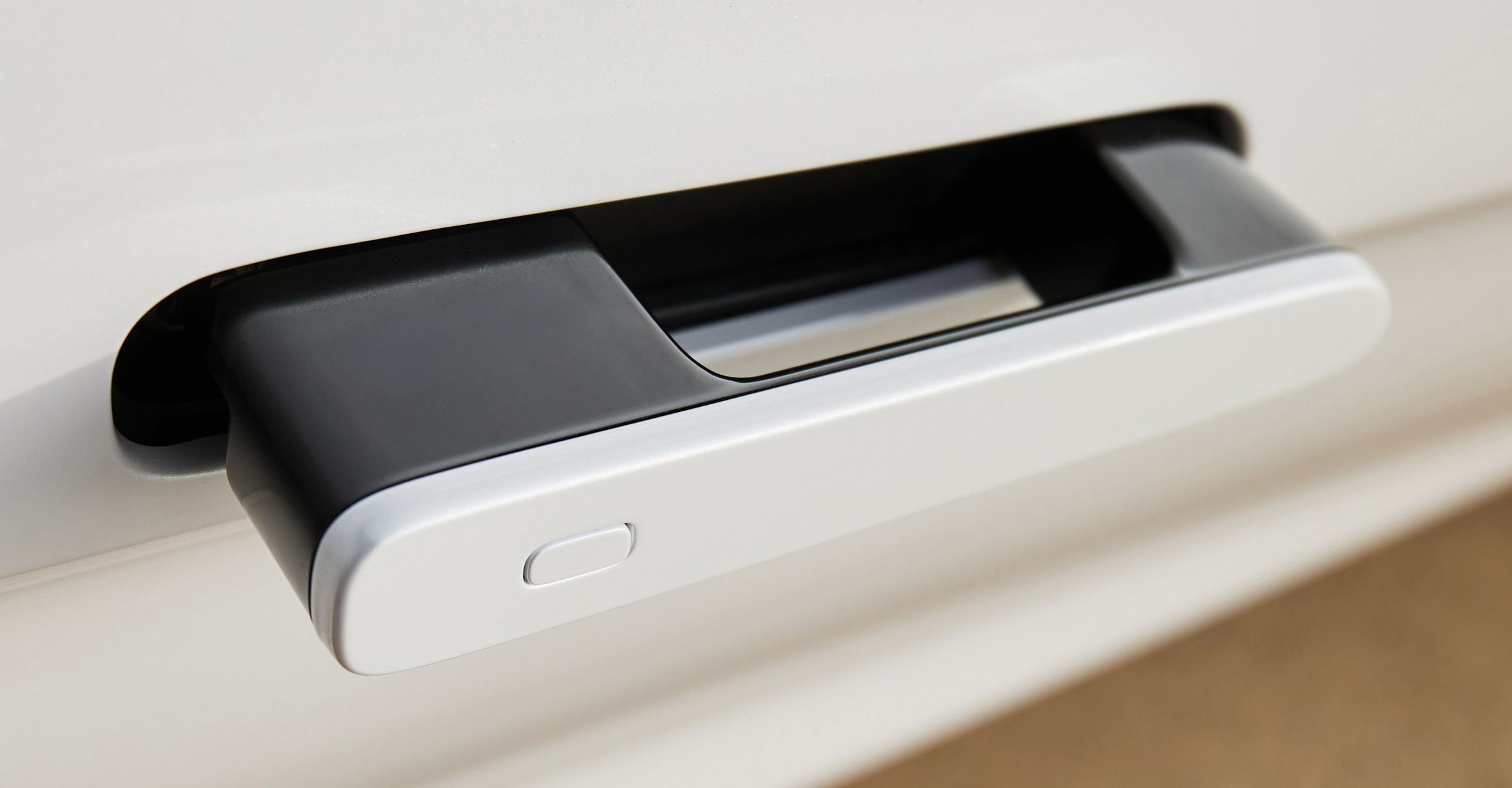
EV Stupidity Checklist
Automobiles have been around for well over a century. During that time, we’ve gotten pretty good at designing and building their basic components and controls: seats, doors, pedals, steering wheels, mirrors, etc. But when today’s automakers decide to make an electric vehicle (EV), they seemingly forget much of what they once knew, creating new versions of features that are objectively, obviously worse than the time-tested designs they replace.
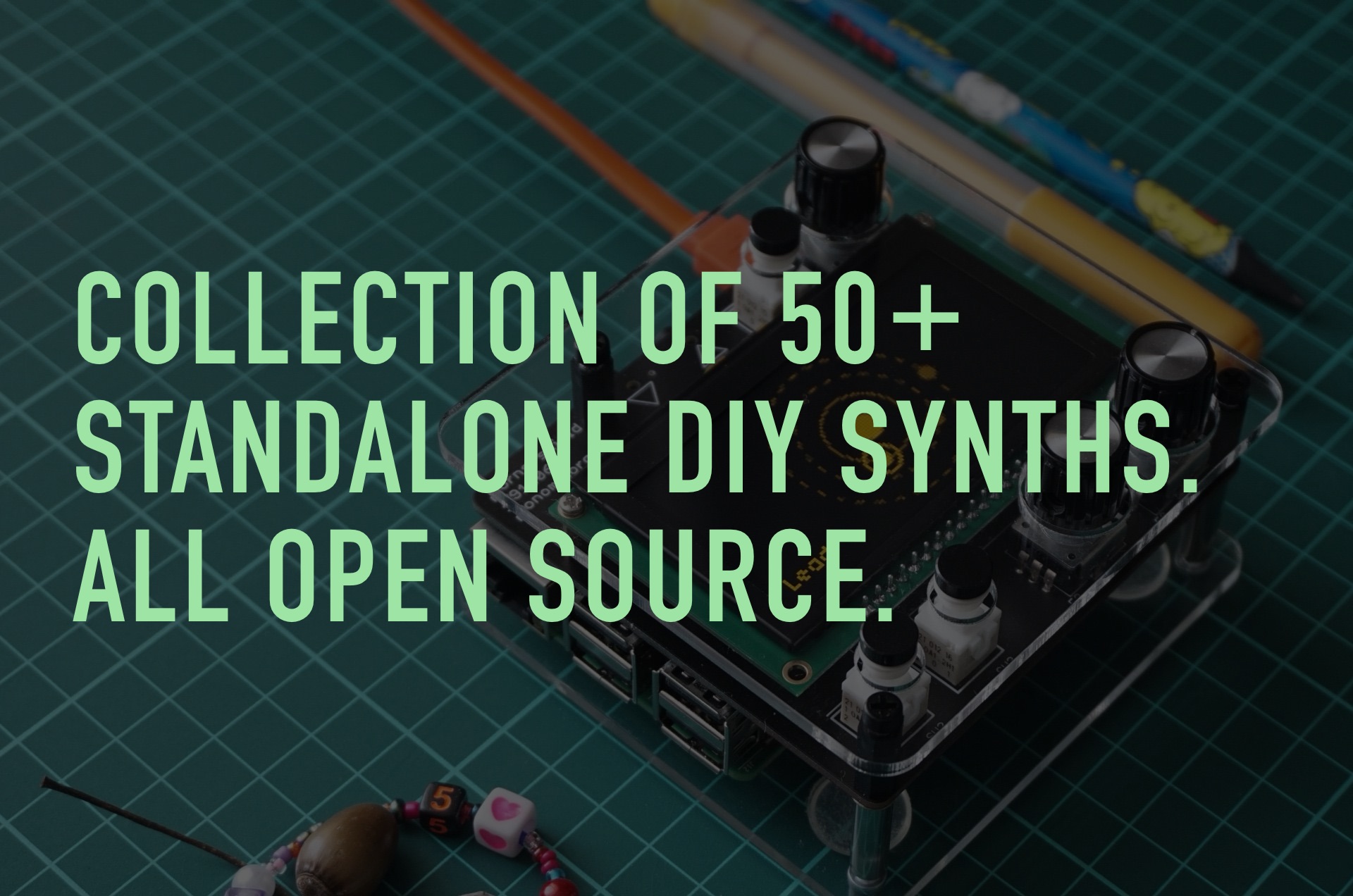
DIY synths database
Curated collection of DIY-friendly hardware synthesizers and related musical equipment you can build on your own. All open source.
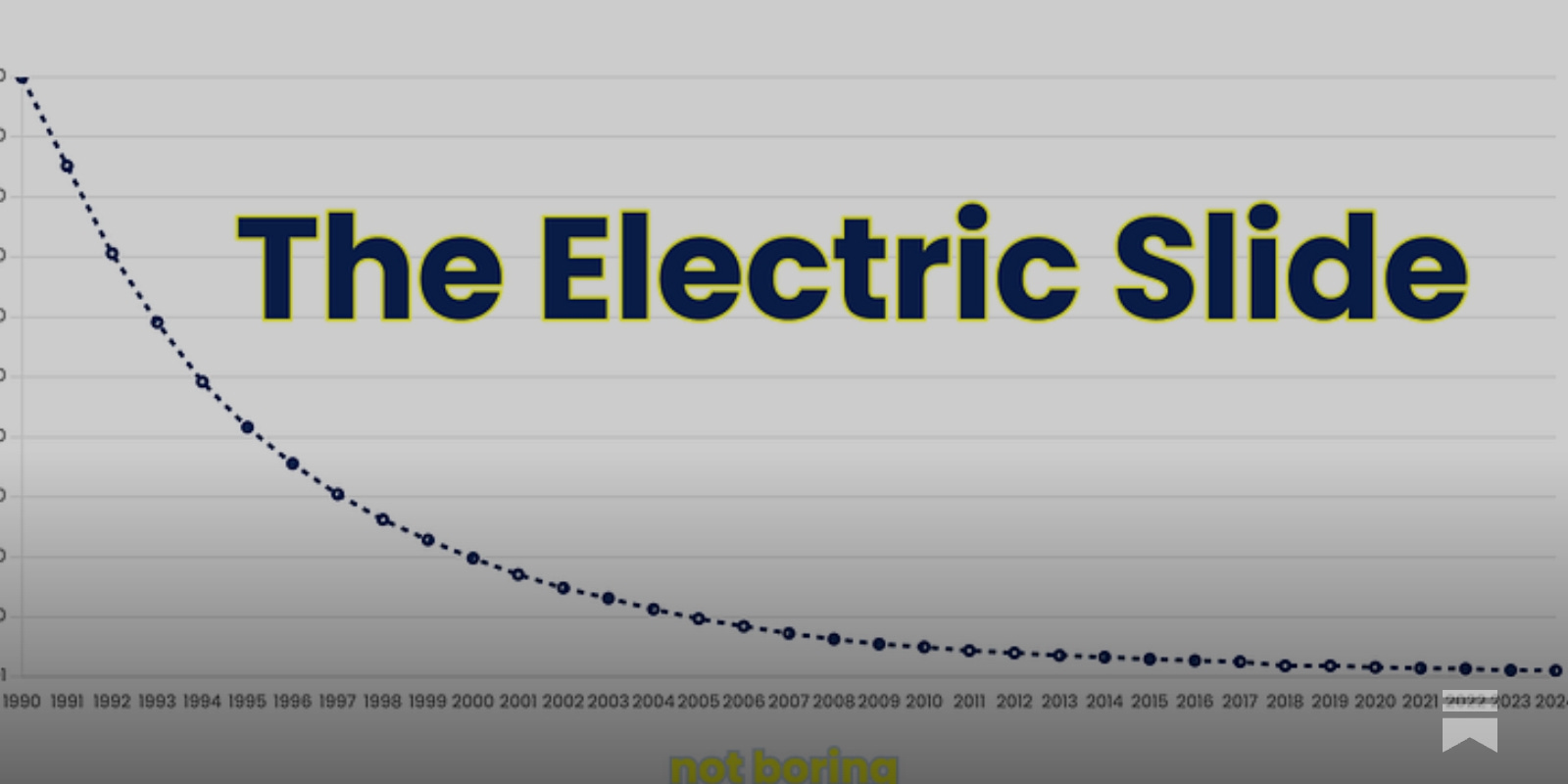
The Electric Slide
The history, 99% decline, and future of the Electric Stack with Sam D'Amico
The Electric Slide
The history, 99% decline, and future of the Electric Stack with Sam D'Amico
A corner of the web for builders.
My name is Will King, and I am a design engineer...among many other things. You can find all of that work below and if you see something you like then let's be friends.

(PDF) A Kit-of-No-Parts Poster2
PDF | When we build electronics from discrete components our designs are shaped by their standardized forms and func- tionalities. While datasheets... | Find, read and cite all the research you need on ResearchGate

Open source is the electric vehicle of digital policy
Open source is very popular these days, not least due to the open-source strategy that the European Commission announced last week as part of the tech sovereignty package. While there is a lot to criticise about that strategy (exaggerated goals, misleading numbers etc), the one thing I would like to
Prompt Engineering Guide – Nextra
A Comprehensive Overview of Prompt Engineering
Kit-of-No-Parts
Conventionally electronics that are built from a kit-of-parts have been optimized for speed, efficiency and repeatability of assembly. While this approach demonstrates the power of modular systems that have made many of the technologies we rely on possible, it also constrains us to particular styles of building, influencing what we build as well as impacting how we come to think about electronics. A Kit-of-No-Parts demonstrates a new approach to building electronics that emphasizes the expressive qualities of diverse materials as well as the skill and creativity of the builder. I believe that a more insightful and skilled process is also capable of producing more intelligible and personal results. In order to promote a different approach I have developed a series of techniques that allow us to build electronics using a variety of craft materials and tools. This website documents these techniques in the form of “recipes”. Besides containing instructions on how to build electronics these recipes are also detailed accounts of my development process that aim to promote further exploration and material investigation, instead of straightforward replication. This website is both the documentation and result of my thesis work towards a masters degree in the High-Low Tech research group at the MIT Media Lab. My thesis describes A Kit-of-No-Parts as an approach to crafting electronics, rather than designing discrete components. While the thesis has been written and handed in, this website remains a work in progress. I continue to add new information and update the existing. >> Download Thesis