

Then, so does everything else
Mistakes, mistrust and misdirection: 25 years after 9/11, its dark legacy continues to unfold
The world’s most powerful country responded to the worst terrorist attack in its history by inflicting terror of its own – around the world, and at home

Interdependent Thoughts – by Ton Zijlstra
Still, many questions have global aspects. Our information networks, our trade routes, our dependencies are truly global. Because of it many of our issues, including climate emergencies, are global in both their roots and consequences. We all suffer from small earth syndrome these days, as I phrased it in 2010 at the SHiFT Conference, where everything anyone of us does reverberates around the world because we are continuously bumping into real global limits, Club of Rome style.
The Expert Trap and the Next War
what forecasting failure tells us about the future
Paul A. Haslam, Jessica Schafer and Pierre Beaudet, eds. Introduction to International Development: Approaches, Actors and Issues, 2nd Edition (Don Mills, Oxford University Press, 2012). 580pp
Privacy and/or Trade
International privacy and trade law developed together, but are now engaged in significant conflict. Current efforts to reconcile the two are likely to fail, an


Europe 2031 — What getting AI wrong means for us
A five-year scenario about AI and Europe's impending slide into irrelevance, with a 2034 epilogue that describes how the collapse of the European model could have been prevented.
The Fallacy of Endless Economic Growth
What economists around the world get wrong about the future.
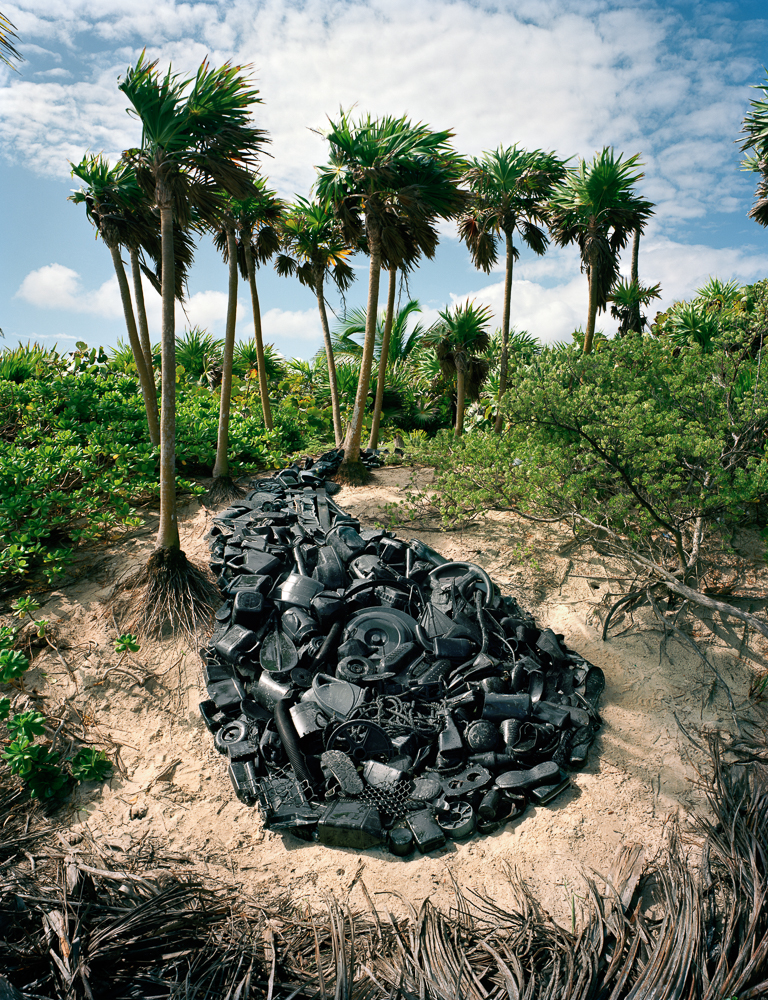
The Future of Everything is Lies, I Guess: Where Do We Go From Here?
This is a long article, so I've broken it up into a series of posts, listed below. You can also read the full work as a PDF or EPUB.
Strategic interdependence is rewiring the global economy
It is no longer sufficient for the US-China trade relationship to be driven solely by cost and efficiency

The Future Is Not Tech-Forward
On artificial intelligence, data centers, technological politics, and who gets to build the future.
Truth, Consequences, Climate, and Demand Destruction
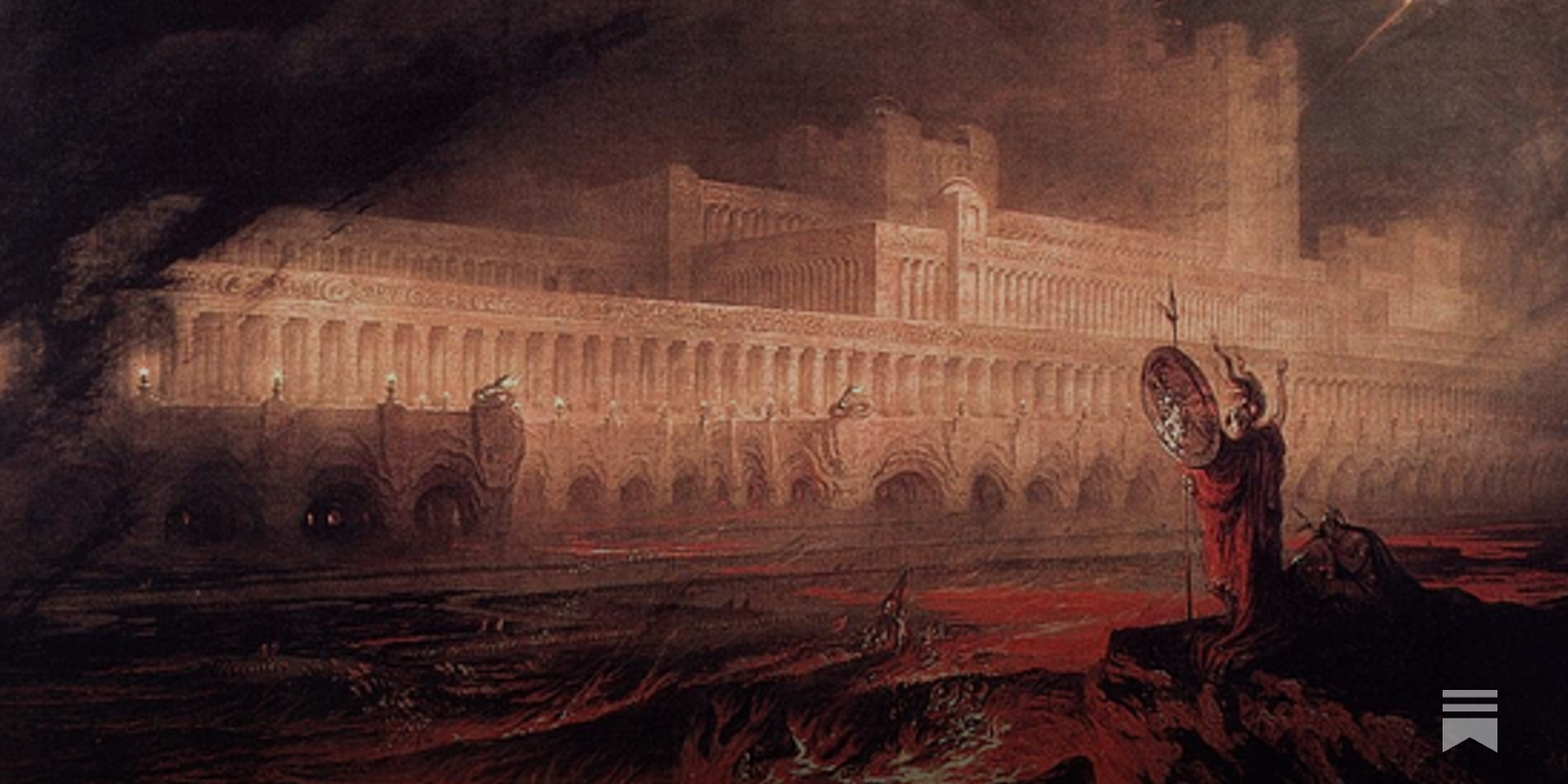
"This is how the attack by one petro-state (ours) on another (Iran's) may be turning out to be very bad for petroleum, because the only thing history loves more than a surprise party is irony." The Crisis The biggest news is always the climate news, and sometimes it's so big


One reason getting international alignment on AI is hard is because countries assume, or are hoping for, different futures. We map what we think are the salient perspectives and how that predicts countries positions. foreignpolicy.com/2026/05/11/governance-artific…

Governments Can’t Agree on What AI Actually Is
foreignpolicy.com
