

The passions are devouring the interests
The 1% hide their money offshore – then use it to corrupt our democracy | Aditya Chakrabortty
From US billionaires to City barons, the super-rich are buying political influence as never before. Our politicians now work for them, not for us
Get the Money out of Politics
There’s a really simple way of ensuring that politics belongs to the people, not to the ultra-rich.

Billionaires Gone Wild
Understanding the oligarchs’ power grab and the dire threat to American democracy
The Deportation Project : Révélations sur les expulsions de masse de l'administration Trump - Forbidden Stories
72 journalistes, 26 médias, 15 pays : une enquête internationale sur les expulsions de masse de l'administration Trump
Trapped inside the Blair Rich Project
The media coverage of Tony Blair's essay on what the UK government should do treats him as a statesman rather than the salesman he really is...
Epstein Family Values • EQUATOR
The billionaire patriarchs of the American far-right want to rule an economy of masters and servants
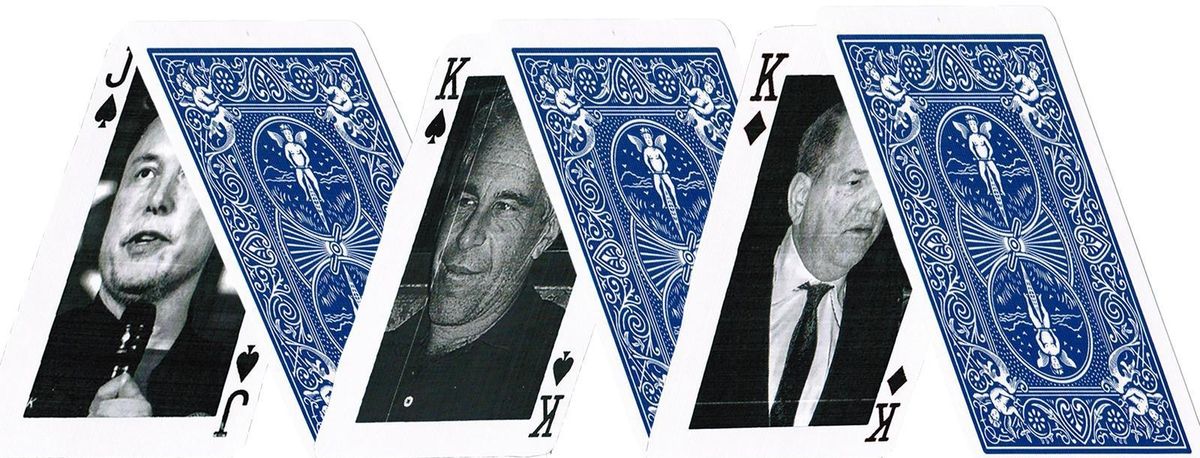
Why We Need to Confront the Billionaires’ Paradise
The UBS/PwC report on the “new Gilded Age” of the billionaire class, and the Paradise Papers reveal ways corporations and the ultrawealthy avoid taxes.
The Player and the Played
In an age when capitalism feels like an unwinnable game, extreme reactionary ideas and politics are on the rise. The Hunger Games, Game of Thrones, Squid Gam...
How Elon Musk and the Tech Billionaires Hijacked the State and Our Minds
Historian Quinn Slobodian tells Byline Times that Elon Musk's rise tells a deeper story—of fortunes built on state power, and a new politics where humans are treated less as citizens than as systems to be optimised

Elon Musk and Peter Thiel: The billionaires fomenting a global race war
The tech bros' strategy to protect their wealth is to direct fear and hostility towards 'the Other' - migrants, Muslims, the 'woke'

It’s Not Just Elon Musk — These Billionaires Are Also Neurodivergent
Some billionaires say their conditions helped them succeed in business.

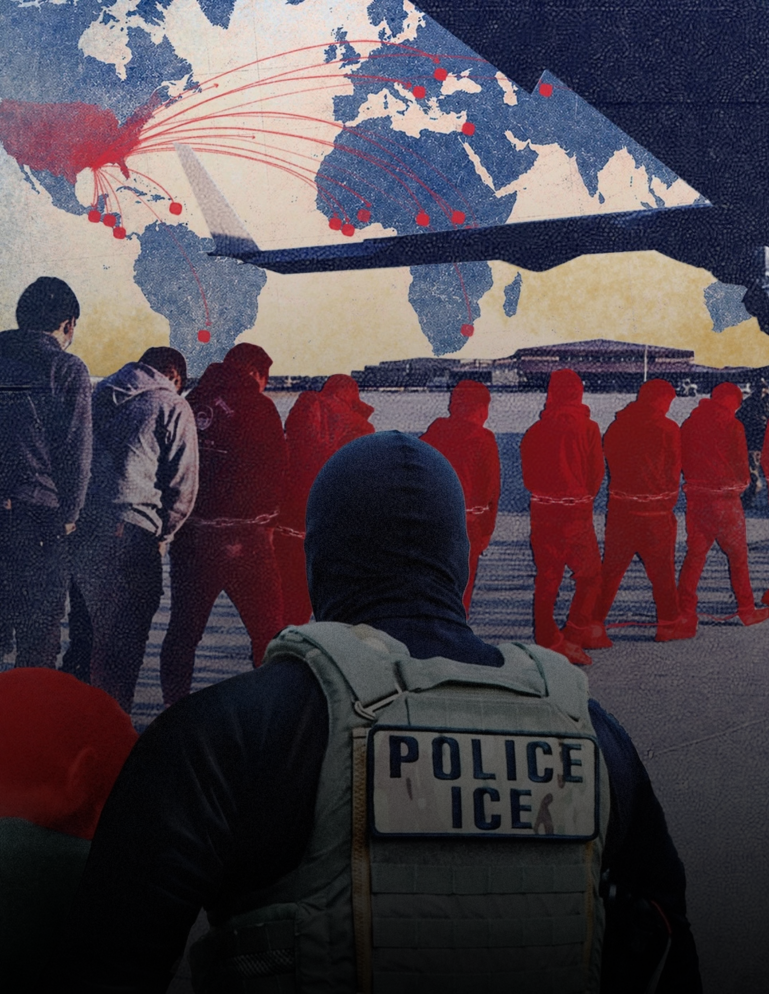
The Deportation Project: Inside the Trump administration's secret deals to expel people worldwide - Forbidden Stories
72 journalists, 26 news organizations, 15 countries: a global investigation into the Trump administration’s secret third-country deportation system
Billionaire wealth jumps three times faster in 2025 to highest peak ever, sparking dangerous political inequality | Oxfam International
Billionaires 4,000 times more likely to hold political office than ordinary people
Permissionless innovation: The fuzzy idea that rules our lives
People sometimes ask me, “What is the most important concept in political economy?” The answer is easy, but subtle …

Billionaires, Corporate Landlords, and AI Companies Are Seen As Among the Worst Actors in U.S. Society
Voters view billionaires, corporate landlords, payday loans, sports gambling, cryptocurrency, and AI companies as negatively impacting the U.S. economy and society.

the viability of many right-wing intellectuals and intellectual spaces is enormously dependent on the largesse of reactionary billionaires and foreign governments, who help them circumvent a marketplace of ideas where they would otherwise post extraordinarily poor sales

Don Moynihan
Its fair to ask if Orban's successful cultivation of the Western right wing intellectuals reflected that their networks were already dependent on patronage. Rod Dreher was funded by a weird billionaire, and when he stopped paying his salary, Orban did. Dreher already looking for a new gig.
