


One cannot hope to bribe or twist/ (thank God!) the U.S. chief jurist
Judges and Grand Juries Reject Trump's Efforts to Investigate
A detailed record of federal courts and grand juries rejecting the Trump administration’s use of subpoenas, search warrants, and indictments.
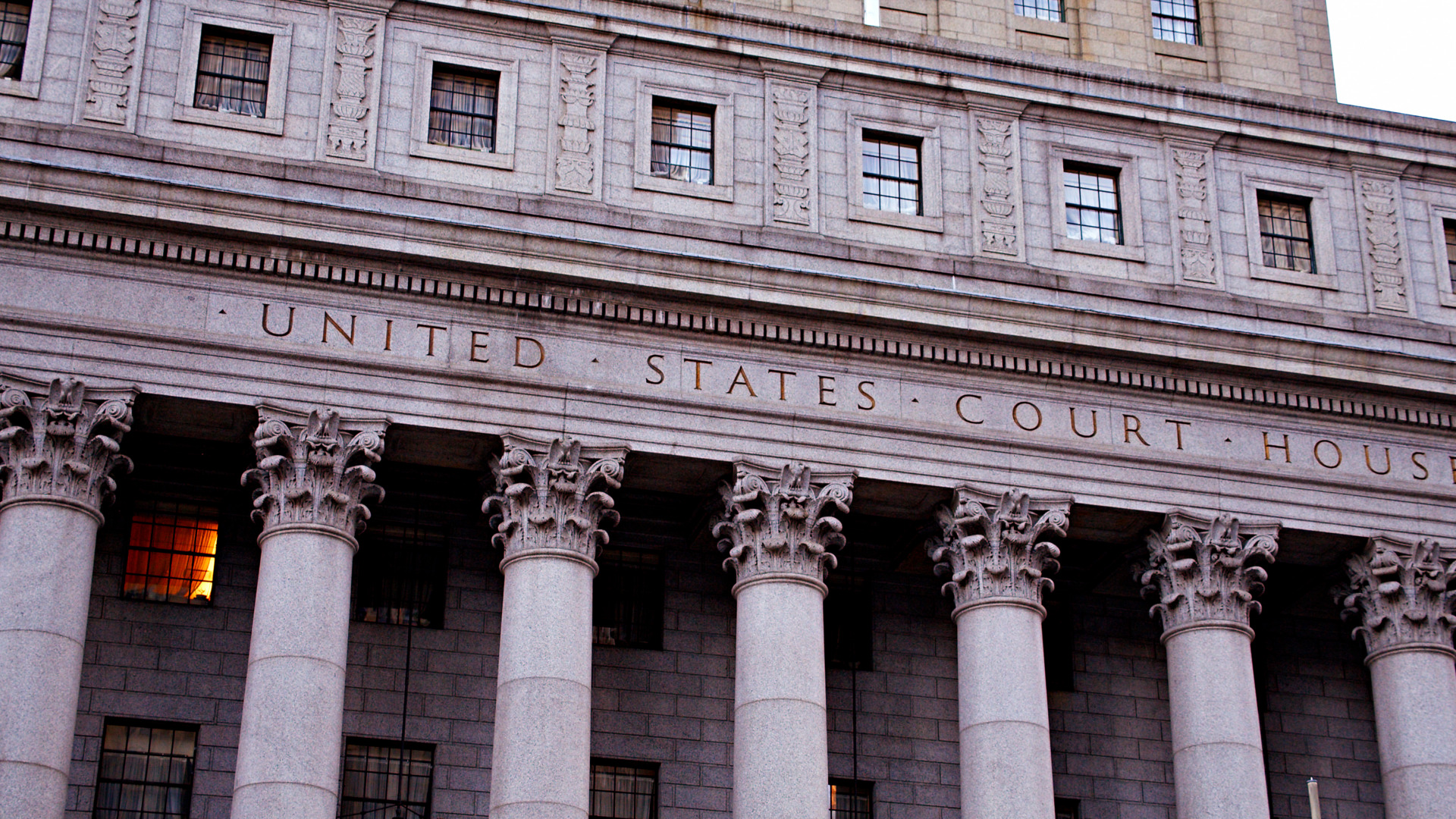
Editor's Notes: Can We Defy Courts While Believing In Rule of Law?
Do our tactics throw out democracy and rule of law while purportedly aiming at saving them?
10,000 Court Decisions Can’t Be Wrong, Even If Trump Thinks Otherwise
It’s absolutely amazing how wrong this administration has been when it comes to immigration enforcement. That some people still think the Supreme Court is in the best position to resolve this…

The Key Cases Impacted by Supreme Court Chevron Deference Ruling — ProPublica
One recent Supreme Court decision is already rippling through dozens of key lower court cases involving everything from airline fees to gun sales to abortion access, affecting people’s lives in important — and sometimes contradictory — ways.

Supreme Connections: Search Supreme Court Disclosures — ProPublica
Search Supreme Court financial disclosures for organizations and people that have paid justices, reimbursed them for travel, given them gifts and more.

Trump’s DHS is using an obscure law to secretly snoop on journalists, non-profits and unions: ‘It’s outrageous’
Even after judges rejected the same ploy, the Trump administration is going directly to social media and telecommunications companies

6 other ways Trump is meddling in the midterms
The Supreme Court ruled against Trump’s mail voting rules, but the president is still trying to mess with the election.

DOJ Withdraws NY Times Subpoenas After Judge Notices It Never Bothered To Follow The Rules For Subpoenaing Reporters
Just last week we had the story of the Trump DOJ issuing very questionable subpoenas of NY Times journalists while trying to track down who leaked information to those reporters regarding the poten…
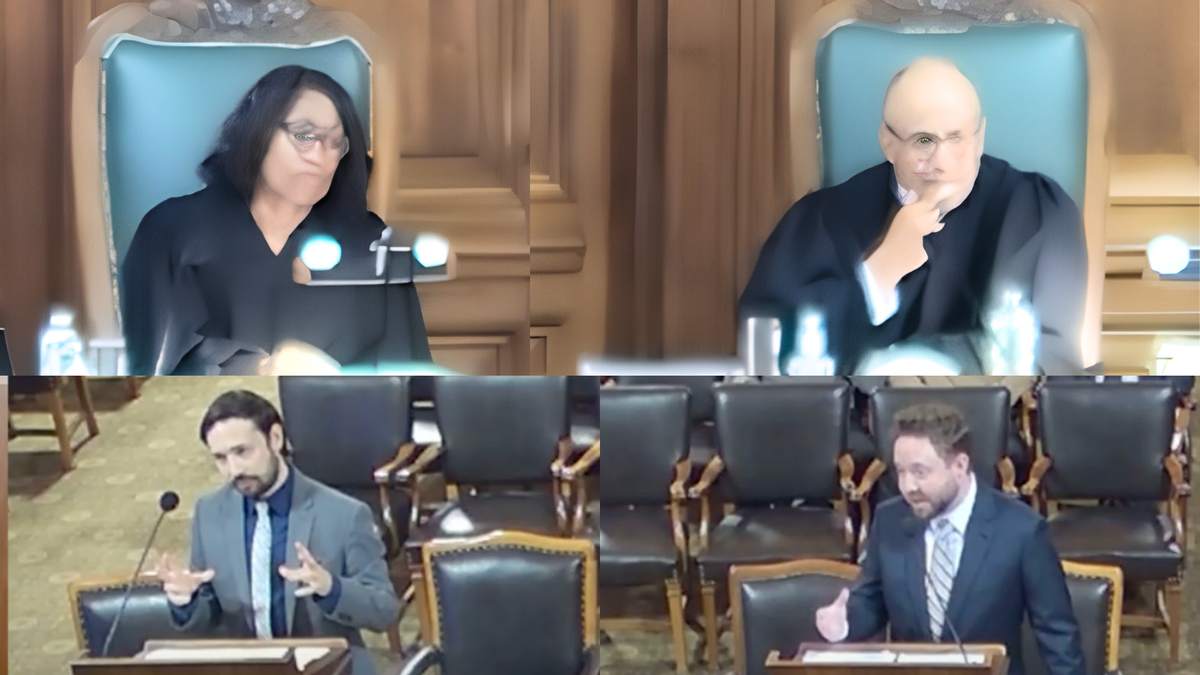
Watch These Judges Rip Into Lawyers For Citing Cases That Don't Exist
“It's striking, concerning, disappointing, and saddening to think that members of the bar would forward cases to a court that don't exist, and to think that the lawyers on the other side of that didn’t read it for whatever reason, didn’t check it.”
OpenSanctions: Supreme Data on Supreme Leaders
The open-source database of sanctions, watchlists, and politically exposed persons — aggregating hundreds of sources and relied on by compliance teams, investigators, and journalists.

Texas Age Verification Law Upheld: U.S. Supreme Court Balances Free Speech and Child Protection in the Digital Age | Data Matters Privacy Blog
On June 27, 2025, the U.S. Supreme Court issued its opinion in Free Speech Coalition, Inc. v. Paxton, a groundbreaking decision with significant implications for online content regulation. The Court upheld […]

The U.S. Press Loves To Pretend Widespread Corruption Doesn't Exist
Despite widespread U.S. corruption being anything but subtle, its presence consistently remains absent from corporate media narratives surrounding most U.S. dysfunction.

New evidence, new challenges: ICC judges’ perspectives on user-generated evidence and judging in an age of artificial intelligence
Evidence recorded on personal digital devices, or “user-generated evidence” (UGE), has profoundly shaped our ways of knowing about international crimes. UGE can be expected to play an important role in future cases before the International Criminal Court (ICC), yet few trials to date have relied extensively on UGE.. This research provides important insights into how ICC judges define UGE and perceive its strengths and weaknesses, and on the readiness of the Court to adapt to judging in an age of Artificial Intelligence. Using grounded theory to analyse interviews with ICC judges, we identified several key themes, including concerns about the perceived importance and potential bias of evidence sources; the practical challenges of employing UGE; the burden placed on the parties to ensure the reliability of the evidence, to rigorously challenge the opposing party’s evidence, and the importance of preparing legal professionals to address the risks associated with misinformation and disinformation.
Billionaires Gone Wild
Understanding the oligarchs’ power grab and the dire threat to American democracy

Corporate Bungling And Political Scandal Abound In Jesse Eisinger's New Book
Why don't crooked corporate CEO's go to jail anymore? Pulitzer Prize-winning journalist Jesse Eisinger uncovers culture of cowardice, incompetence, and corruption in both government and finance.

10,000 rulings: The courts’ overwhelming rebuke of Trump’s ICE policies
A POLITICO analysis reveals judges have ruled against ICE detention practices in roughly 90 percent of cases since the agency mandated that millions of immigrants must be locked up while they face deportation proceedings.
