

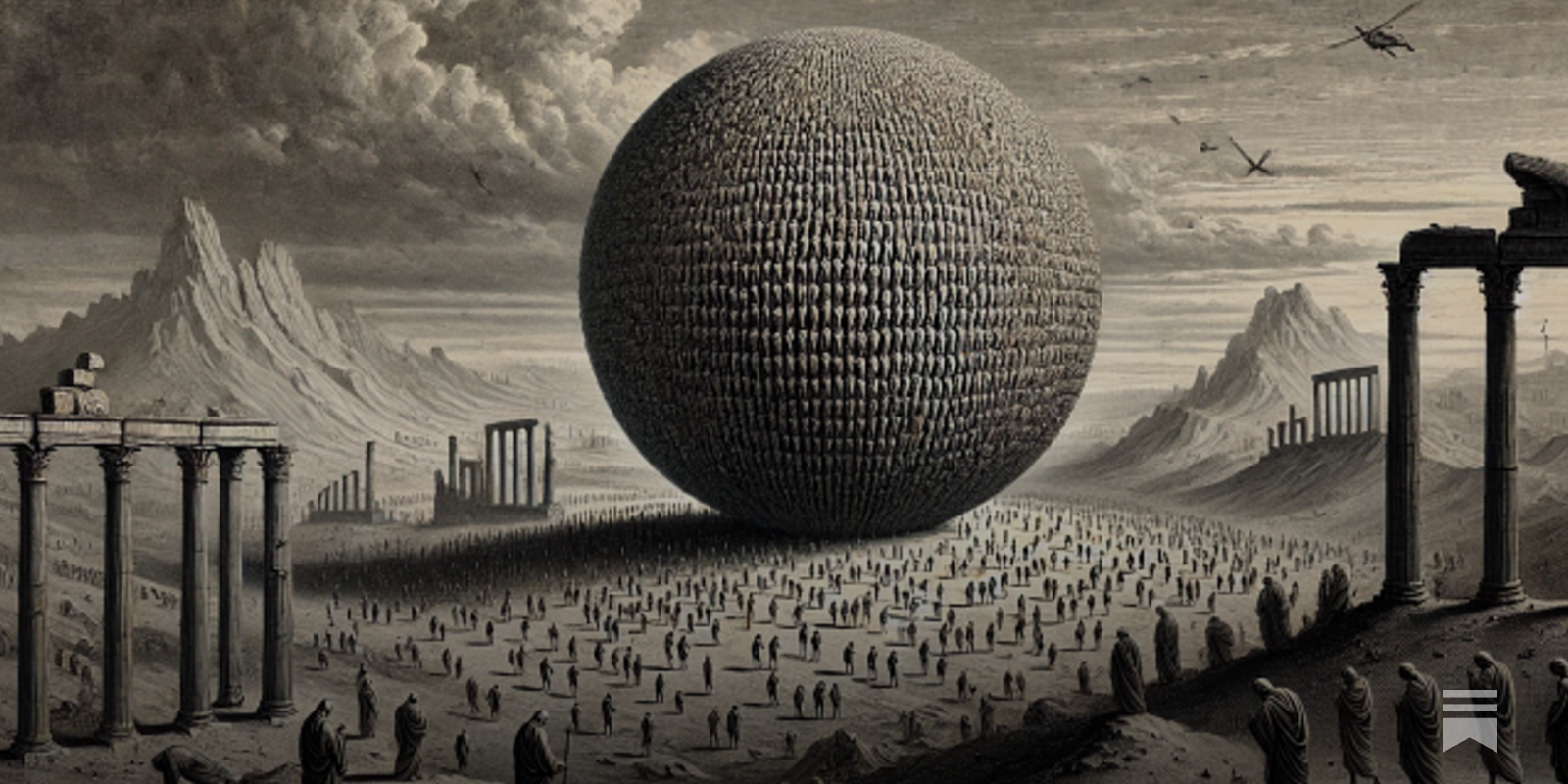
The bigger problem isn't disinformation. It's degraded democratic publics
We're getting the social media crisis wrong
The bigger problem isn't disinformation. It's degraded democratic publics
Do social media threaten democracy?
Facebook, Google and Twitter were supposed to save politics as good information drove out prejudice and falsehood. Something has gone very wrong

People Across the Globe Increasingly Say Social Media Is Harming Democracy
Most think social media leads to manipulation and division, but they also say it informs people and gives them a voice in politics.
Media Media
The authoritarians are winning, we can all see that. It wouldn't be the worst thing if the pro-democracy camp stopped being naive about social media.
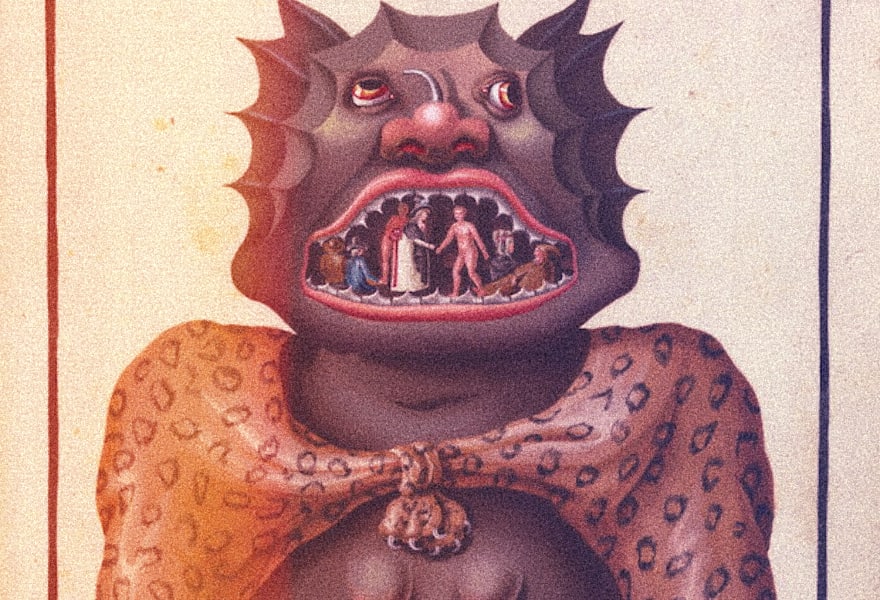
Improving social media for democratic discourse
Social media have expanded opportunities for communication and political participation, but today's dominant platforms are optimized primarily for engagement and advertising revenue, contributing...

Elena Rossini on GoToSocial ⁂ (@elena@aseachange.com)
[3 media attachments] Dear friends, Please gather around for a long post about #WSocial and how they are responding to critiques. I have noticed a trend: W Social leaders and staunch supporters are describing any critical posts about the company as "targeted disinformation." Its CEO said they will soon have a technical solution in place for this. Oh?!? 🔗: https://mu.social/profile/anna.wsocial.eu/post/3mtqufy6g4s2r I suppose the "targeted disinformation" claims are about recent posts by the likes of me and @pallenberg about troubling hate speech that is allowed on W Social. Claims backed by hard evidence, in the form of screenshots and video captures. (I am increasingly doing screen recordings of problematic posts and interactions by W Social people because they have a tendency to delete evidence - like an infamous comment on a video by the Instutute for Remigration). ⬇️ ⬇️ ⬇️ Discrediting sources, renaming evidence as "disinformation" and creating a victim narrative has a long, storied history. ⬆️ ⬆️ ⬆️ But I'm digressing. I speak up about W Social because: - Mainstream media runs PR fluff about them; - Horrid hate speech on the platform is completely unmoderated. W Social is currently showing the limits of free speech absolutism. Its CEO wrote: "We don’t need W to become another echo chamber." Reminds you of something? Atmosphere user @echna.bsky.social astutely remarked that "W Social is on an X speedrun, without ever having been like Twitter." 🔗: https://mu.social/profile/echna.bsky.social/post/3mtqlknzork2t Bluesky, #Blacksky, and #Northsky have mechanisms in place to report hate speech - and I am super thankful for that. As of today, I cannot report to W Social posts by their users that contain hate speech. The W Social moderation list's only purpose is to make a distinction between verified users and bots. Compare it with Blacksky's moderation list and be amazed (see screenshots). What's the big deal about the lack of content moder…

How do you solve a problem like social media? Part I
It's all well and good saying we should regulate social media. But social media is already regulated. So why is it failing? And what could we do in response?
Free Our Feeds
Social media is broken: controlled by a handful of billionaires who shape what people see, say, and believe. These platforms profit from division, exploit user data, and lock people into closed systems.
Let's normalize debunking each other
The spread of misinformation has become an epidemic, but information hygiene can help.
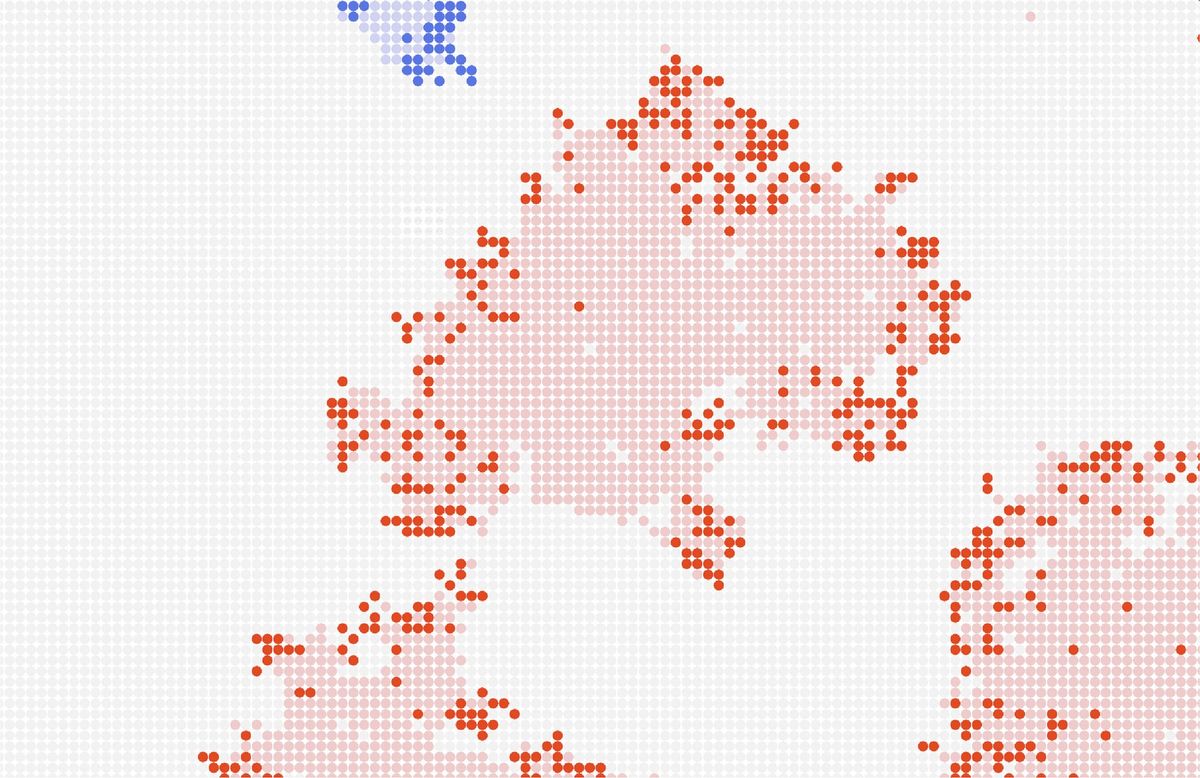
Study: Social media probably can’t be fixed
The [structural] mechanism producing these problematic outcomes is really robust and hard to resolve."
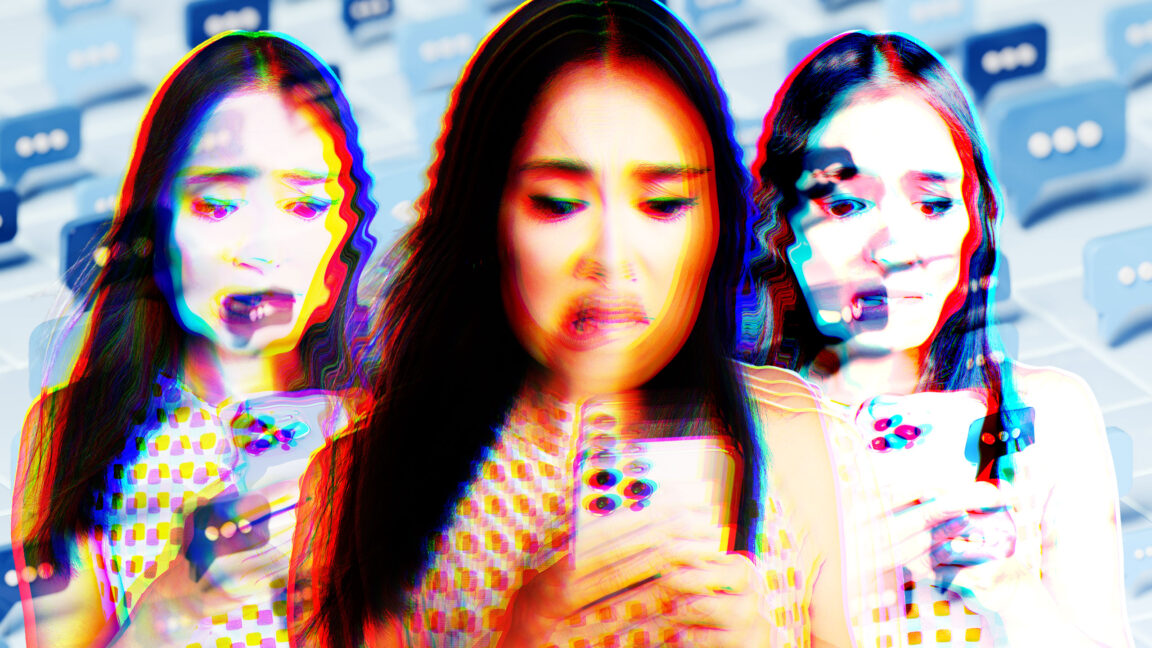
Election Disinformation in Different Languages is a Big Problem in the U.S.
And it’s driving a wedge between voters in non-English communities Mis- and disinformation about elections predate the endless scroll of modern social media services. [1] Yet easy access to online information channels and amplification tools enable false narratives to spread at a massive scale. When false narratives are combined with data voids and unique cultural […]
Social Media Vs Democracy
Social Media Effects: Hijacking Democracy and Civility in Civic Engagement
Perceived as an equalizing force for disenfranchised individuals without a voice, the importance of social networks as agents of change cannot be ignored. However, in some societies, social networks have evolved into a platform for fake news and propaganda, empowering disruptive voices, ideologies, and messages. Social networks such as Twitter, Facebook, and Google hold the potential to alter civic engagement, thus essentially hijacking democracy, by influencing individuals toward a particular way of thinking.

Social media is a gnarly coordination problem we need to decompose - a warm space
RIP social media. What comes next is messy.
As social media splinters, how can we keep the new online spaces from devolving into toxic pits of despair?
The authoritarians are winning, we can all see that. Maybe, just maybe, it wouldn't be the worst thing if pro-democracy people stopped being ridiculously naive about social media. berjon.com/media-media/

Media Media
berjon.com