


Syntropic farming has taken hold in Brazil and the tropics, but today we ask: How can we apply these concepts to cold climates?
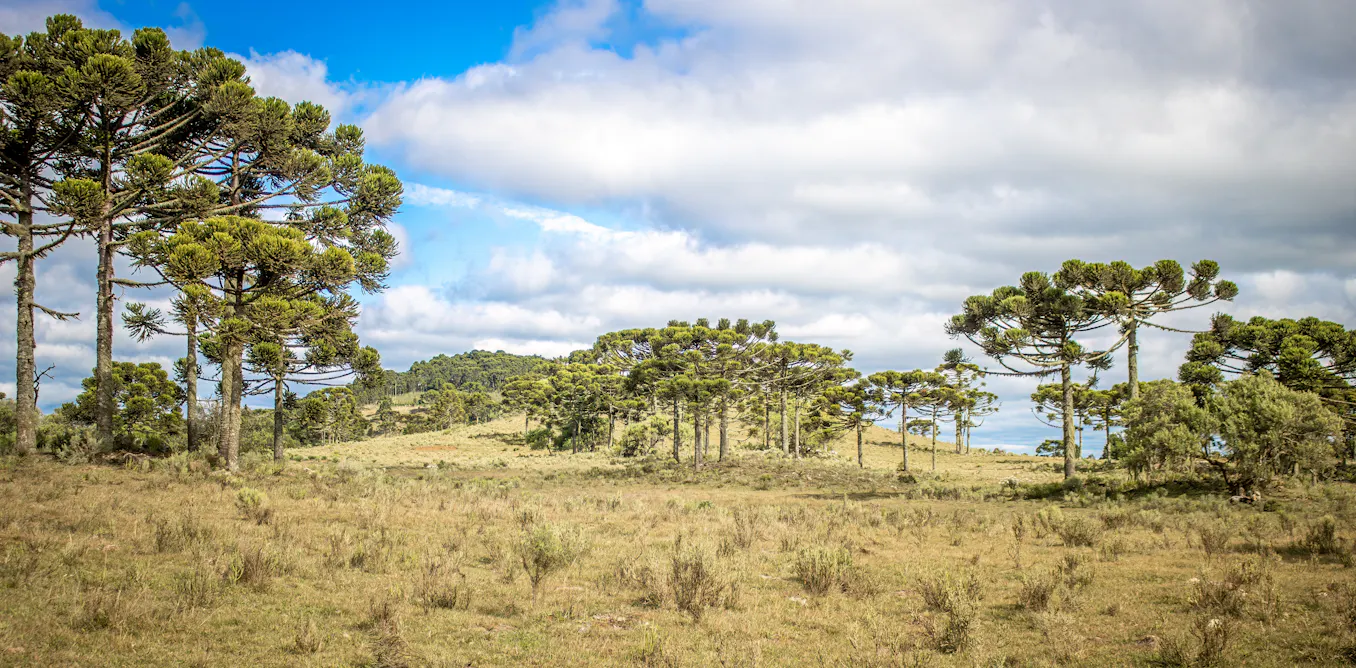
Brazil’s highland forest has been shaped by climate change and Indigenous people for 6,000 years
Prehistoric pollen records show that forest dynamics were driven by more than just broad-scale climatic changes.
About the Network
About the network Our vision is for a thriving and resilient food production system across BC. Since 2017, the BC Agricultural Climate Action Research Network (ACARN) has been working to make climate research more accessible and useful for the agricultural sector. By connecting people across disciplines and regions, we help ensure that climate solutions are […]
Some recent developments in controlled-environment agriculture: on plant physiology, sustainability, and autonomous control
In this review, we highlight some recent developments in controlled-environment agriculture (CEA), discuss its sustainability and provide a future outlook, mainly based on recently published work f...

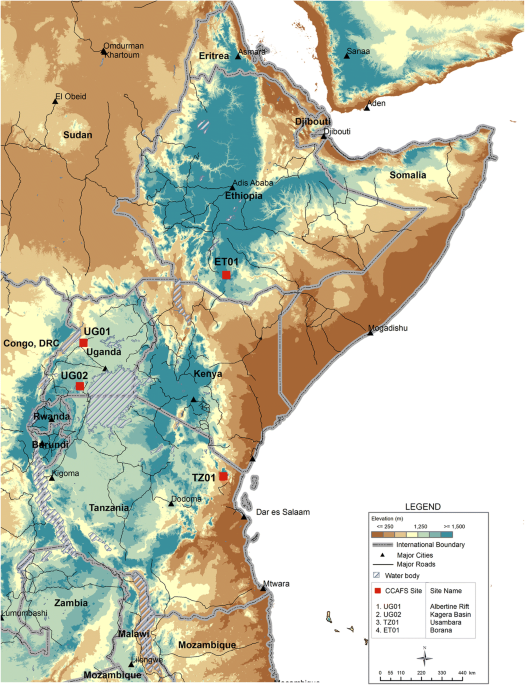
Indigenous knowledge for seasonal weather and climate forecasting across East Africa
Climate information and agro-advisory services are crucial in helping smallholder farmers and pastoralists in East Africa manage climate-related risks and adapt to climate change. However, significant gaps exist in provision of climate information that effectively addresses the needs of farmers and pastoralists. Most farmers and pastoralists, therefore, rely on indigenous knowledge (IK), where local indicators and experiences are used to observe and forecast weather conditions. While IK-based forecasting is inbuilt and established in many communities in East Africa, coordinated research and systematic documentation of IK for weather forecasting, including accuracy and reliability of IK is largely lacking. This paper documents and synthesizes existing IK for weather forecasting in East Africa using case studies from Ethiopia, Tanzania, and Uganda. The results show that farmers and pastoralists use a combination of meteorological, biological, and astrological indicators to forecast local weather conditions. IK weather forecasting is, therefore, crucial in supporting efforts to improve access to climate information in East Africa, especially in resource-poor and vulnerable communities. The paper draws valuable lessons on how farmers and pastoralists in East Africa use IK weather forecasts for making crop and livestock production decisions and demonstrates that the trust and willingness to apply scientific forecasts by farmers and pastoralists is likely to increase when integrated with IK. Therefore, a systematic documentation of IK, and a framework for integrating IK and scientific weather forecasting from national meteorological agencies can improve accuracy, uptake, and use of weather forecasts.
The Coming Ecological Cold War
How the green transition is reshaping geopolitics

A social-ecological framework for analyzing and designing integrated crop–livestock systems from farm to territory levels
Integrated crop–livestock systems are often considered a promising way to address agricultural sustainability issues. Many authors claim that complementarities and synergies between crops and livestock can improve nutrient cycling and delivery of ecosystem services (ES) in agricultural systems. They have analyzed effects of interactions at the farm level and affirmed the potential advantage of developing crop–livestock interactions at the territory level. However, potential benefits of developing synergies beyond the farm level have not been clearly identified. Thus, we developed a conceptual framework that can be used to analyze, design and perform integrated assessment of crop–livestock systems at the territory level. To address crop–livestock interaction issues, we define it as a social-ecological system called the territorial crop–livestock system (TCLS). The ecological system is represented as three interacting components, crops, grasslands and animals, allowing description of various land uses and their potential effects on nutrient cycling and ES. The social system, represented as farmers interacting with natural-resource managers and agro-food chain actors, determines land use and the nature and intensity of ES delivered. We highlight the importance of coordination and learning among actors to support implementation of complex adaptive systems such as TCLSs. We illustrate the expressive power of our conceptual framework through development of a generic typology of crop–livestock systems. Then we show how our conceptual framework can be used as an intermediary object with stakeholders in participatory design approaches. We illustrate this process by representing four archetypal TCLSs. We provide an example of the design approach implemented in Southwestern France to address severe recurrent water shortages, which includes analysis of land use in the current crop–livestock system and the associated key metabolic and ES issues, identification of options for change and multi-criteria analysis of these options. We conclude that this framework shows great potential to support development of sustainable farming systems at the territory level.

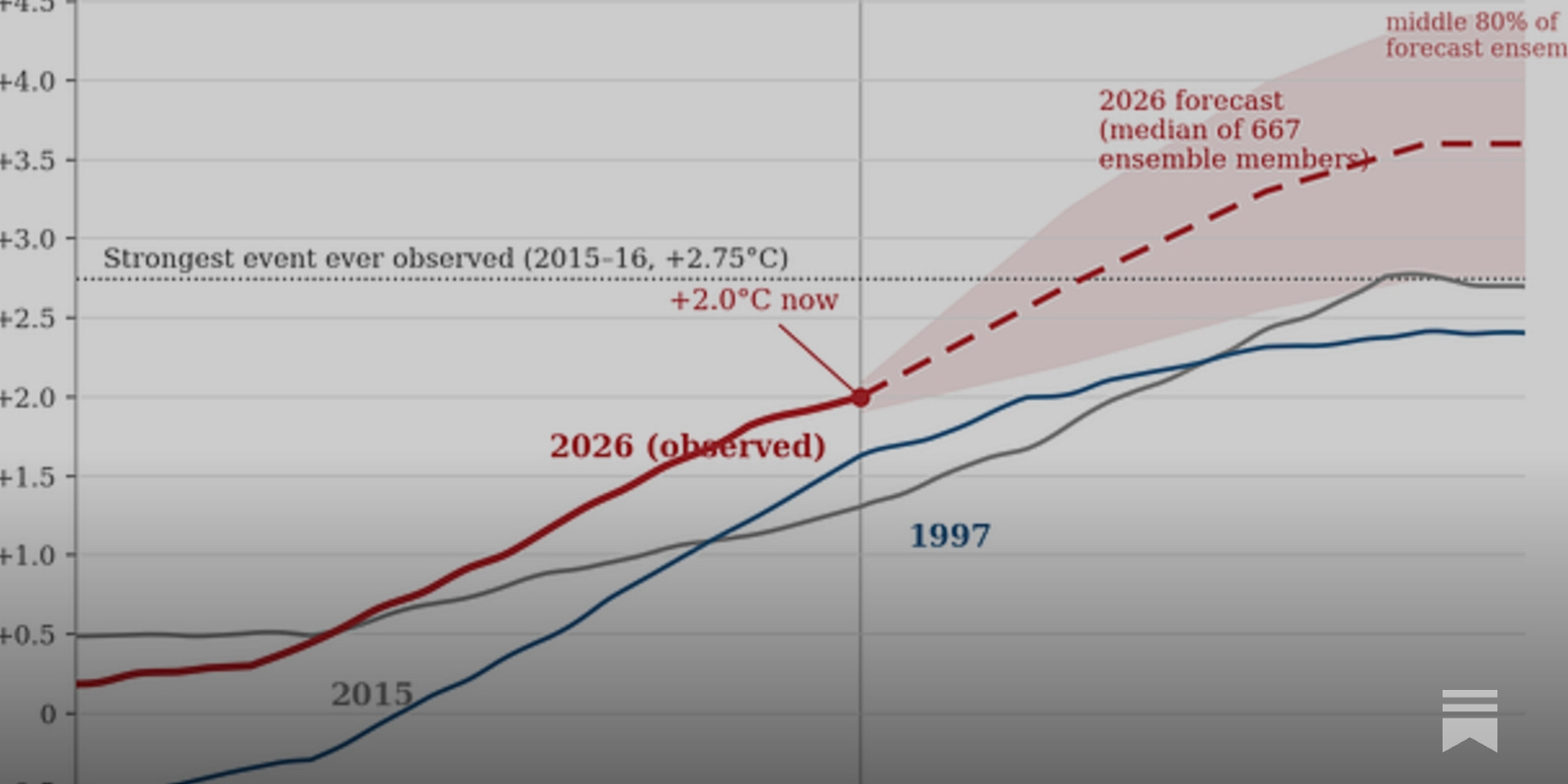
Scorched Harvest: The Strongest El Niño Ever Forecast, the Crops in Its Path, and the Hunger It Will Leave Behind
How 3.6 degrees of warm water in the tropical Pacific is about to redraw the map of global hunger and why, this time, no one in power can claim they were not warned.
Zone 9 Planting Calendar - Urban Farmer Seeds
Zone 9 has a long growing season with hot summers. Most vegetable varieties will have no problem maturing before your first frost date.
Appropriate Technology, Permacomputing, Post Growth, and Ecomodernism.
To adapt to the changing climate, we need to radically rethink how and why we do the things we do. From technology, to social movements, to economics. The world is at stake. And we can change it.
Victorian Climate Collaboration – Our Policy Platform
Across Australia and around the world, the impacts of climate change are being felt through worsening bushfires, floods, droughts and heatwaves. The impacts we are experiencing now are early signals of far worse to come. Time is rapidly running out to avoid the devastating impacts of a 2°C or warmer world. Every fraction of degree of warming matters and will be measured in lives, species and ecosystems lost or saved.
Climate Change is coming for Christmas
Stunted trees, pricey chocolate, threatened reindeer, scant snow—warming is taking a toll.

The weather and climate science AI revolution isn’t revolutionary
Machine learning has its limits—how is it being used?

Crop–livestock integration beyond the farm level: a review
AbstractParadoxically, the number of crop–livestock farms is declining across Europe, despite the fact that crop-livestock farms are theoretically optimal to improve the sustainability of agriculture. To solve this issue, crop–livestock integration may be organized beyond the farm level. For instance, local groups of farmers can negotiate land-use allocation patterns and exchange materials such as manure, grain, and straw. Development of such a collective agricultural system raises questions, rarely documented in the literature, about how to integrate crops and livestock among farms, and the consequences, impacts, and conditions of integrating them. Here, we review the different forms of crop–livestock integration beyond the farm level, their potential benefits, and the features of decision support systems (DSS) needed for the integration process. We identify three forms of crop–livestock integration beyond the farm level: local coexistence, complementarity, and synergy, each with increasingly stronger temporal, spatial, and organizational coordination among farms. We claim that the forms of integration implemented define the nature, area, and spatial configuration of crops, grasslands, and animals in farms and landscapes. In turn, these configurations influence the provision of ecosystem services. For instance, we show that the synergy form of integration promotes soil fertility, erosion control, and field-level biological regulation services through organizational coordination among farmers and spatiotemporal integration between crops, grasslands, and animals. We found that social benefits of the synergy form of integration include collective empowerment of farmers. We claim that design of the complementarity and synergy forms of crop–livestock integration can best be supported by collective participatory workshops involving farmers, agricultural consultants, and researchers. In these workshops, spatialized simulation modeling of crop–livestock integration among farms is the basis for achieving the upscaling process involved in integrating beyond the farm level. Facilitators of these workshops have to pay attention to the consequences on governance and equity issues within farmers groups.
Impact of climate change may be equivalent to 3.3 million years of transformations in tropical vegetation
Changes that took millions of years can now happen in a matter of decades, and this accelerated rythm can be destructive, with dangerous consequences for the planet

Agriculture research summaries
Read short summaries of agricultural studies tailored to B.C. farmers and producers.