


Amid growing public health concerns, operators like DraftKings have touted “responsible gaming” tools and prompts. But as I went off the deep end, I found they were no match for the incentives and product design pushing me to keep going.
How Everything Became Gambling
It’s not just DraftKings and Polymarket — the logic of gambling undergirds everything coming out of Silicon Valley.

“We Own You” – Confessions of an Anonymous Free to Play Producer – TouchArcade
When it comes to discussions surrounding free to play, people often focus on monetization tactics based on their experiences as a player. Folks commonly get upset based on the disruption of the historical precedent that games should have a price tag, that you pay, then get the game.

Home - The Open Organisation Of Lockpickers
TOOOL promotes public knowledge of locks through teaching, research, and sportpicking—empowering smart, informed consumers and lock pickers.
Competition Remedies Are Too Important to Be Left Untested
How user research can strengthen remedy design In digital markets, competition interventions too often miss the mark. Regulators devote years to running investigations, winning cases, or developing ex ante obligations. ...

You’ve Been Played
How games are being harnessed as instruments of exploitation—and what we can do about it Warehouse workers pack boxes while a virtual dragon races across...
» A Looking Glass Half Empty, Part 1: Just Lookin’ for a Hit The Digital Antiquarian
There was some discussion about it: “Wow, gosh, it’d sure be nice if we were making more money and selling more copies so we could do crazy games of the type we want, as opposed to having to worry about how we’re going to sell more.” Hey, I’d love it if the public was more into what I like to do and a little less into slightly more straightforward things. But I totally get that they’re into straightforward things. I don’t have any divine right to have someone hand me millions of dollars to make a game of whatever I want to do. At some fundamental level, everyone has a wallet, and they vote with it.
Exploitative Game Design: Beyond the F2P Debate
The past few months have seen a torrent of articles about Free-to-Play business models, often discussed alongside issues of ethics in games (for example: 1, 2, 3, 4, 5). These pieces have addressed the effect on addiction-prone players or children, the possibility of corrupting artistic intent, the sheer amount of money being spent, and other advantages and dangers of F2P. While all of this is relevant, I fear that we’re focusing too much on F2P and glossing over the wider ethical issues in game design.
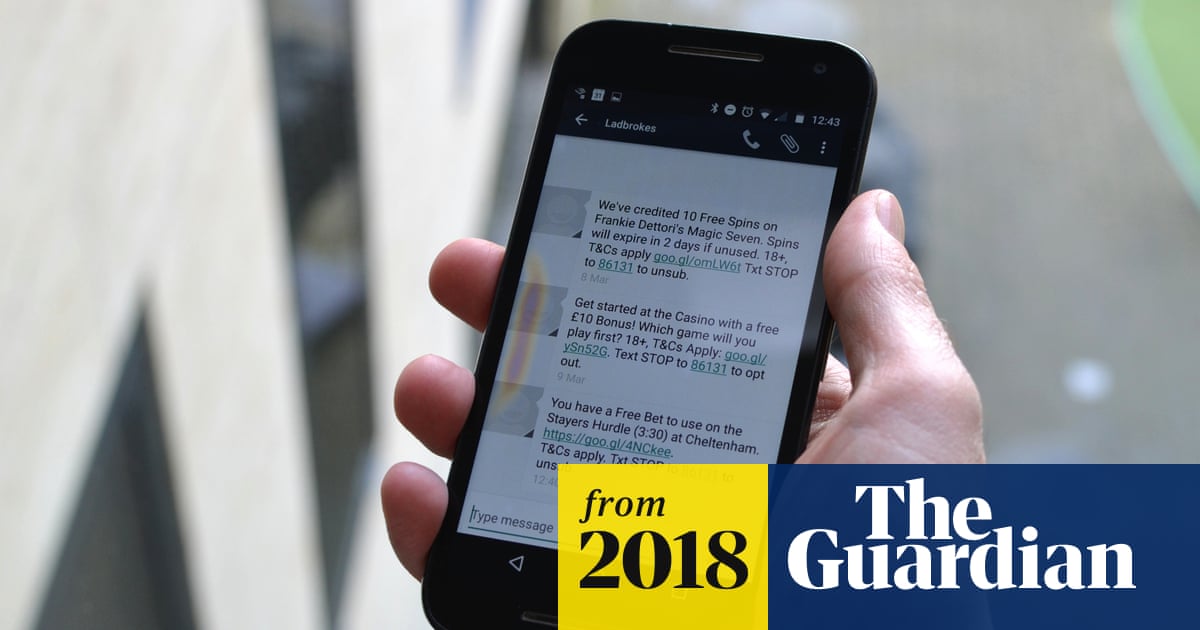
Revealed: how bookies use AI to keep gamblers hooked
Artificial intelligence is being used to predict behaviour in ‘frightening new ways’ despite condemnation from MPs and campaigners
Brainrot: Deskilling and Addiction are Overlooked AI Risks | Proceedings of the 2026 ACM Conference on Fairness, Accountability, and Transparency
As part of the Digital Library's transition to Open Access, new features for researchers are available in the Premium Edition. Click here to learn more.

Guest Post - The Perils of Using Generative AI to Perform Research Tasks: Editors’ and Publishers’ Viewpoints - The Scholarly Kitchen
Today's guest post offers a review of a panel of publishers and editors discussing the pros and cons of using Generative AI, along with ethical and policy implications.

From Pill Mills to Prop Bets: Prediction Markets and Mobile Sports Betting Apps Are Fueling America’s Next Addiction Crisis
Against the gamblification of the world.

How the Daily Fantasy Sports Industry Turns Fans Into Suckers (Published 2016)
While FanDuel and DraftKings look the other way, a small set of sophisticated high rollers is preying upon millions of innocent newbies — like me — every day.

the Enshittification of Cozy Games
ADDICTION BY DESIGN: Machine Gambling in Las Vegas – Natasha Dow Schüll
Slot machines, revamped by evermore compelling digital and video technology, have unseated traditional casino games as the gambling industry’s revenue mainstay. Drawing on fifteen years of field research in Las Vegas, anthropologist Natasha Dow Schüll explores the dark side of machine gambling—a solitary, rapid, continuous form of play that has less to do with the competitive thrill of winning than with the pull of “the machine zone,” as gamblers call the trancelike state they enter.
Hey, ProPublica reporter Jake Pearson here. I’m taking over the account to tell you about my new story. For months, I posed as a problem gambler on DraftKings to test the company's "responsible gaming" safeguards. Spoiler alert: They made me a VIP — and I lost $10K. Here's how it all went down. 🧵
