


After four months of reporting, ProPublica found that the warnings about Helene were eerily accurate. Yet, local residents remained largely unaware of the enormity of danger approaching as the storm closed in.
Local Officials Don’t Always Send IPAWS Emergency Alerts Before Disasters — ProPublica
ProPublica has identified at least 15 major disasters since 2016 in which officials in the most-harmed communities failed to use a federal system to send emergency alerts to residents — or waited until it was too late.

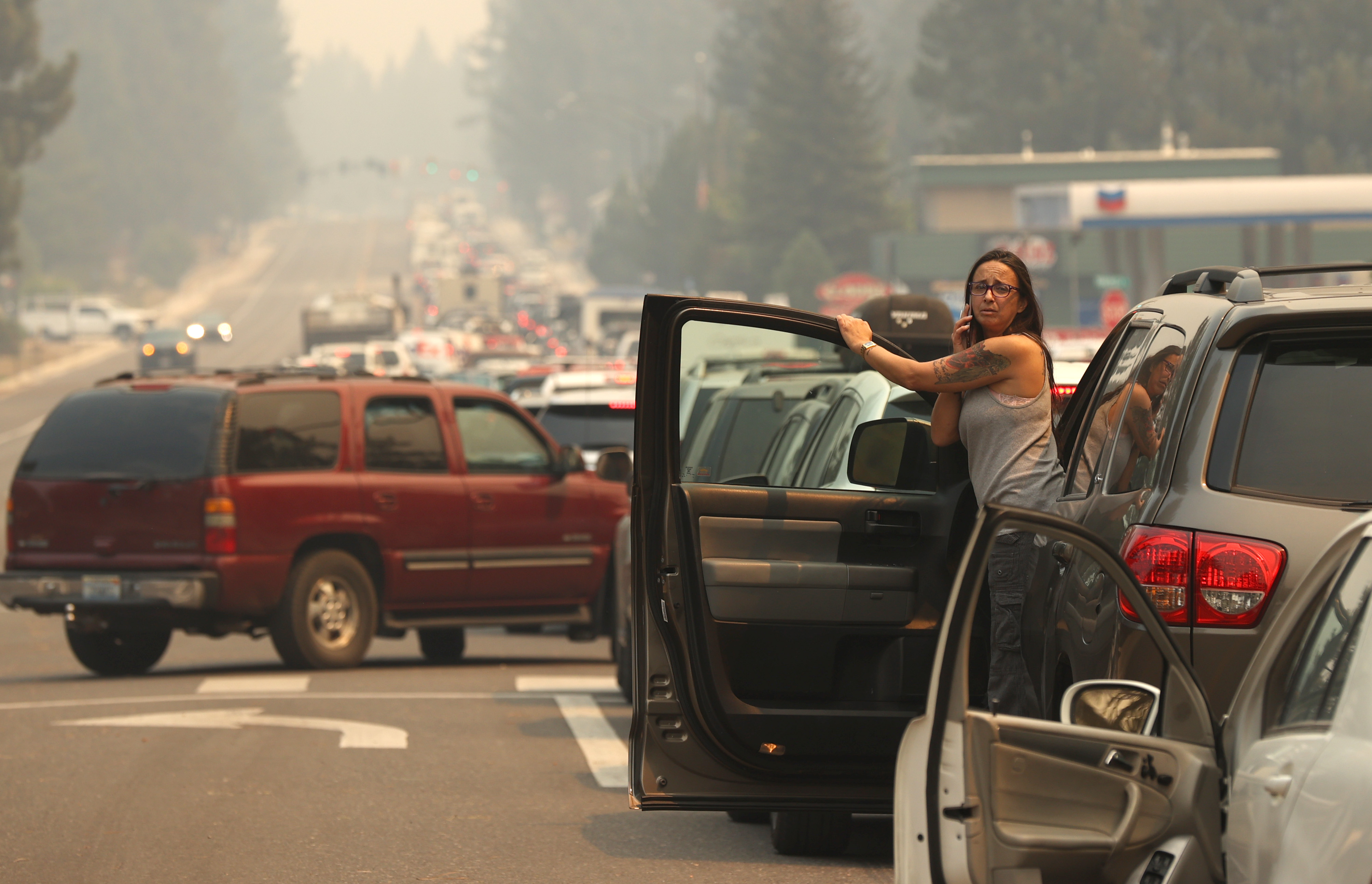
How to safely evacuate a wildfire
Evacuating a wildfire area can be scary, but experts say people can significantly improve their own safety with a little preparation and situational awareness.
Offices of Emergency Management
While individual preparedness is vital, no one can prepare alone. Just as Ready Houston urges everyone to Make a Plan, Build a Kit, Stay Informed, and Know Your Neighbors, we would like to introduce you to our neighbors and partners in regional preparedness.
Evacuation terms can be confusing. Here’s what they mean and how to sign up for alerts
Not all emergency agencies use the same language. Here’s your rundown on how evacuation orders work
What to do — and not do — when you get home after a fire evacuation
Even after evacuation orders are lifted, there are still precautions you should take to keep yourself safe.

Why Crisis Resilience Depends on Epistemic Security
If we want to prevent tomorrow’s crises from spiraling out of control, we must recognize epistemic systems as critical infrastructure, writes Elizabeth Seger.

California fire evacuations: How to prepare, what to pack and what to do if you're trapped
If you’ve been told to evacuate, officials advise you do so immediately — don’t wait.
Epistemic Vigilance
Humans massively depend on communication with others, but this leaves them open to the risk of being accidentally or intentionally misinformed. To ensure that, despite this risk, communication remain...

Cheat sheet: A short guide to giving your home a fighting chance if you need to evacuate
If you’ve been ordered to leave because of fire, here’s some CalFire tips for protecting your property and making it easier for firefighters.

Debunking “When Prophecy Fails”
ABSTRACT In 1954, Dorothy Martin predicted an apocalyptic flood and promised her followers rescue by flying saucers. When neither arrived, she recanted, her group dissolved, and efforts to proselytize ceased. But When Prophecy Fails (1956), the now‐canonical account of the event, claimed the opposite: that the group doubled down on its beliefs and began recruiting—evidence, the authors argued, of a new psychological mechanism, cognitive dissonance. Drawing on newly unsealed archival material, this article demonstrates that the book's central claims are false, and that the authors knew they were false. The documents reveal that the group actively proselytized well before the prophecy failed and quickly abandoned their beliefs afterward. They also expose serious ethical violations by the researchers, including fabricated psychic messages, covert manipulation, and interference in a child welfare investigation. One coauthor, Henry Riecken, posed as a spiritual authority and later admitted he had “precipitated” the climactic events of the study.

No Abandonment, No Bunkers: Preparing for Disaster Together
“Preparedness isn’t just about having stuff,” says Kelly Hayes.

Urban America Reconsidered by David L. Imbroscio | Paperback | Cornell University Press
The aftermath of Hurricane Katrina laid bare the tragedy of American cities. What the storm revealed about the social conditions in New Orleans shocked many Americans. Even more shocking is how widespread these conditions are throughout much of urban...
Since 9/11, Fear Has Driven Our Politics. Don’t Let It Drive The Next 25 Years.
Twenty-five years ago today I was woken up by a phone call from a close friend, who, like me, grew up in New York and, like me, was now living in California. She told me that something horrible had…

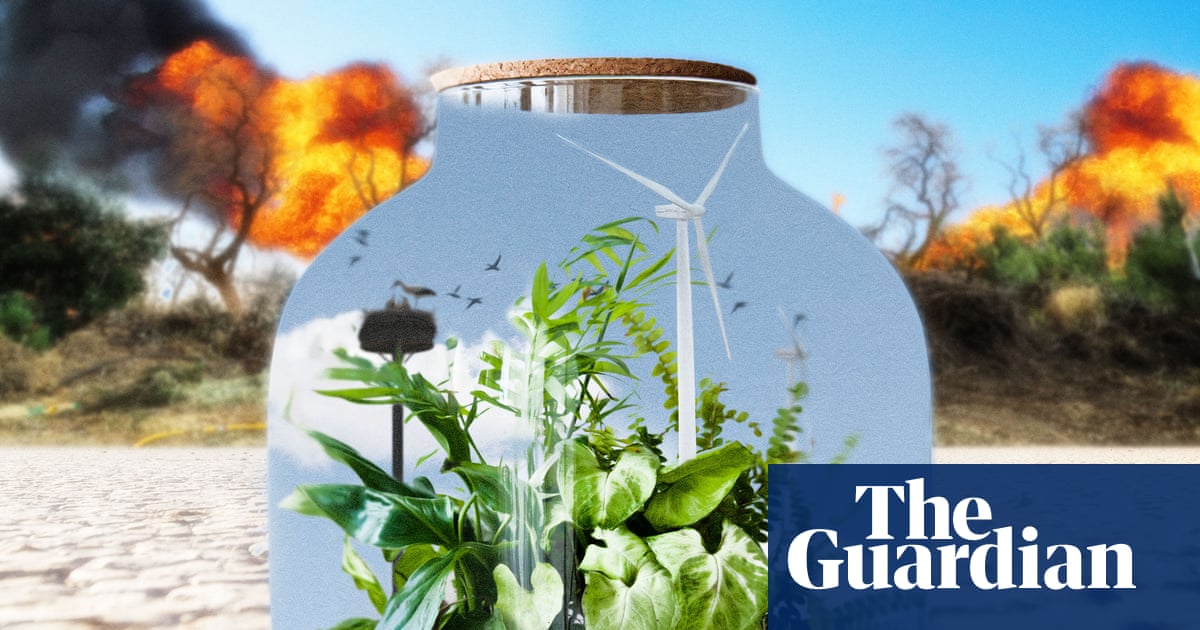
We asked our climate reporters to highlight one idea for positive change. We got a chronicle of global transformation
There are countless initiatives around the world that can inspire people and spur them into action. Amid the devastation of the climate crisis, our journalists strive to highlight these stories of hope
Explicit warnings reduce but do not eliminate the continued influence of misinformation
Information that initially is presumed to be correct, but that is later retracted or corrected, often continues to influence memory and reasoning. This occurs even if the retraction itself is well remembered. The present study investigated whether the continued influence of misinformation can be reduced by explicitly warning people at the outset that they may be misled. A specific warning— giving detailed information about the continued influence effect (CIE)—succeeded in reducing the continued reliance on outdated information but did not eliminate it. A more general warning—reminding people that facts are not always properly checked before information is disseminated—was even less effective. In an additional experiment, a specific warning was combined with the provision of a plausible alternative explanation for the retracted information. This combined manipulation further reduced the CIE but still failed to eliminate it altogether.

Disaster preparedness in the US

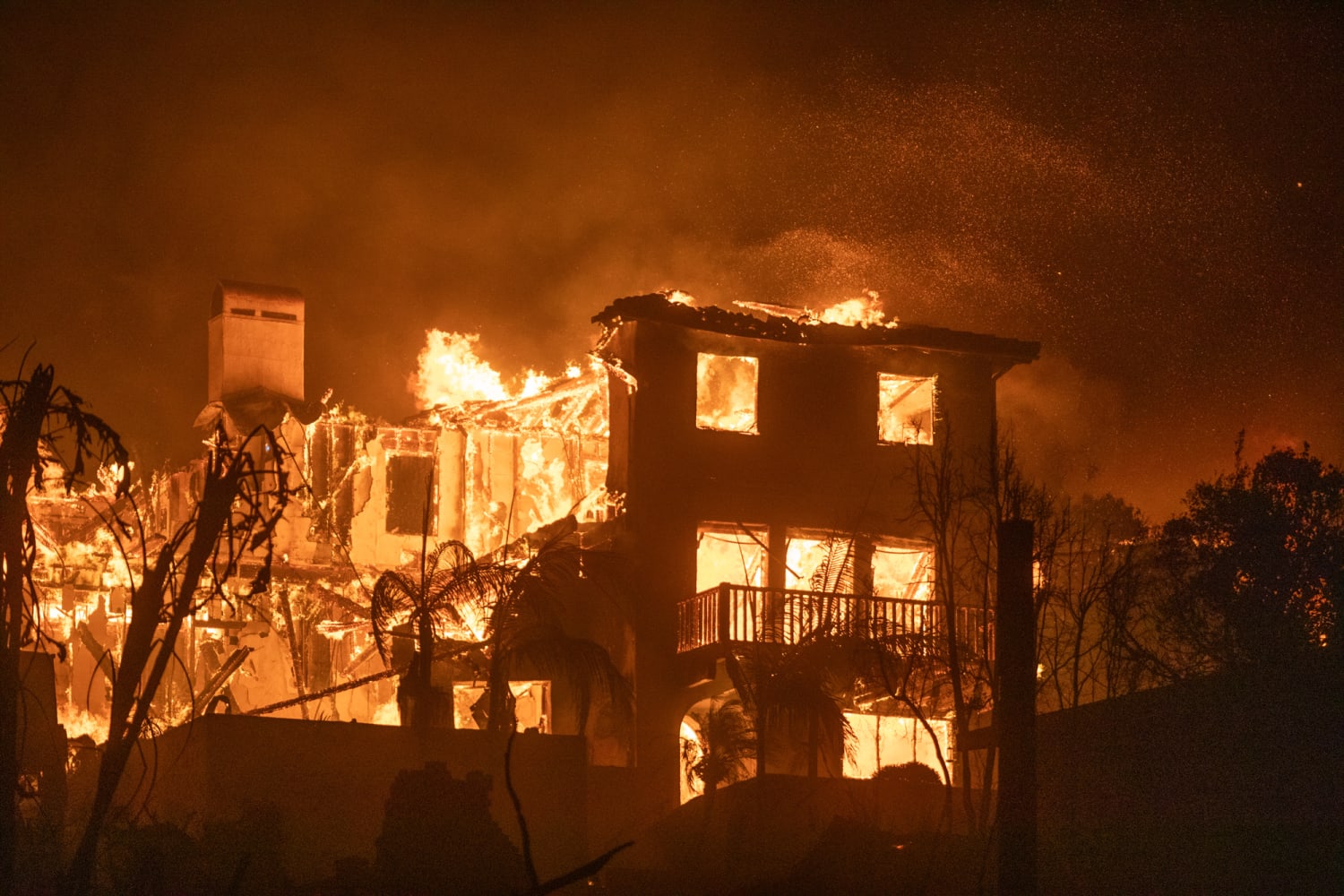
Starting with some articles I saved during/after the January 2025 wildfires in Southern California
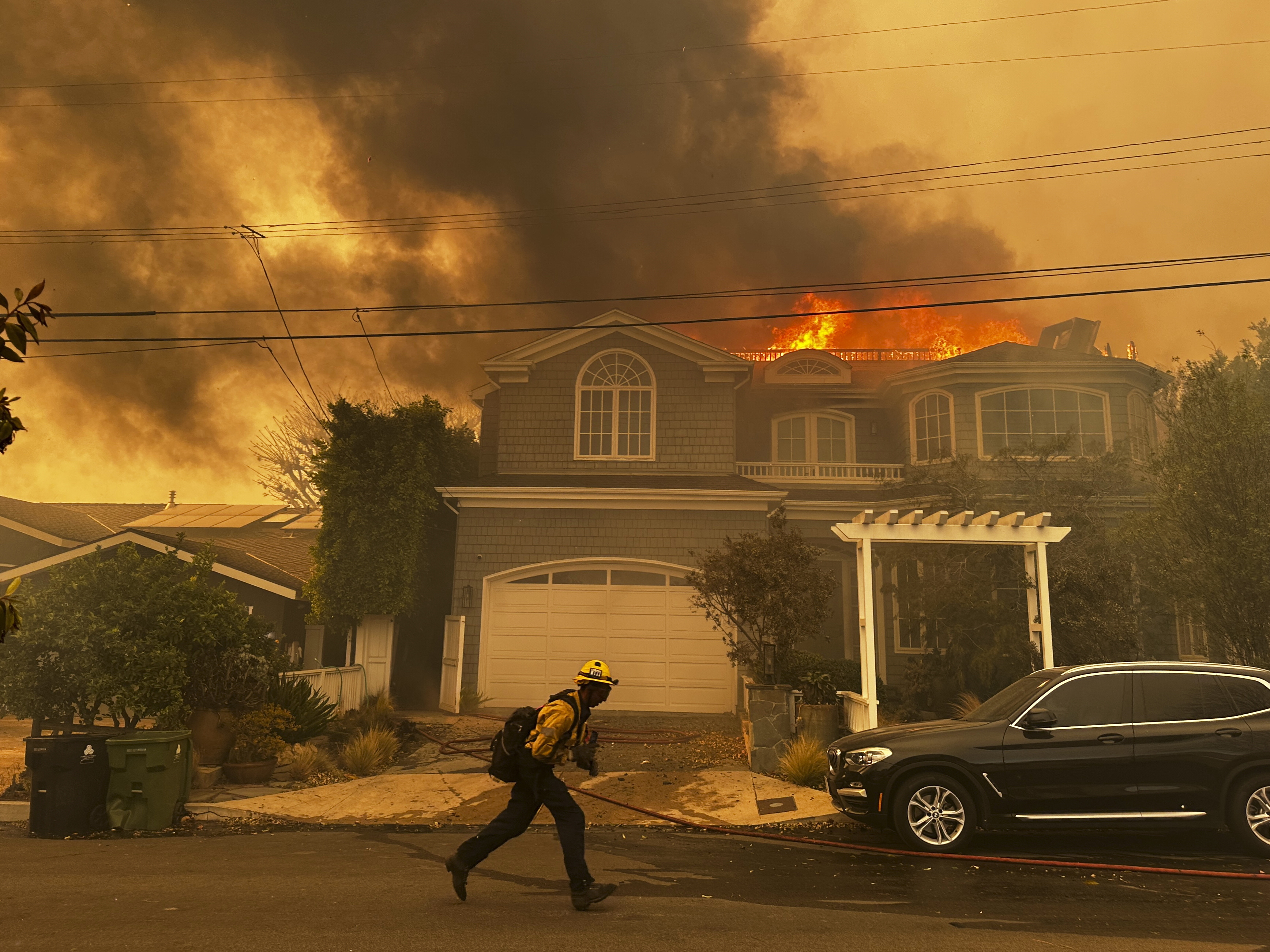
Cheat Sheet: These are the steps fire victims need to take to make an insurance claim
What to do — and not do — when you get home after a fire evacuation
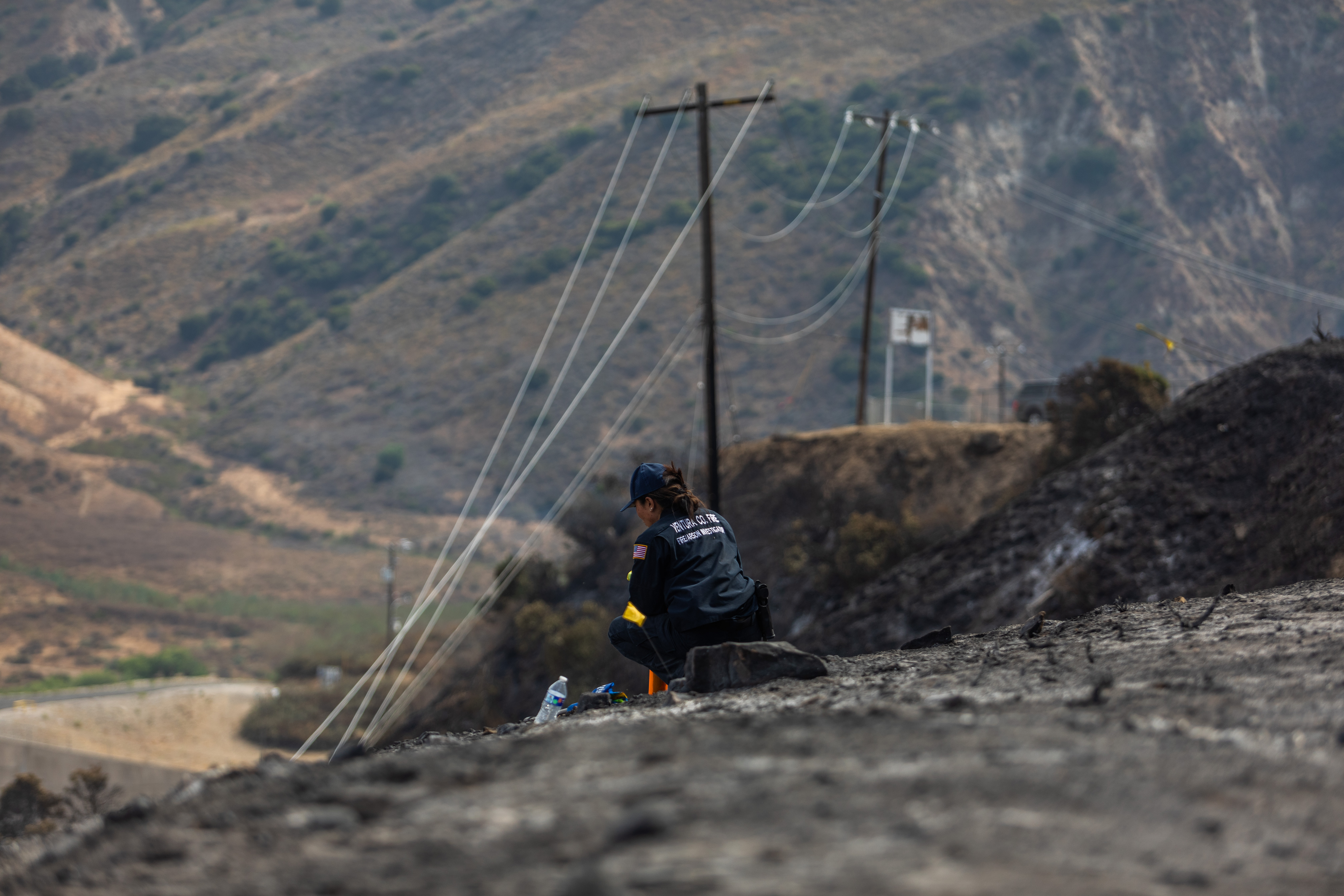
High winds and fires mean power outages. Here's how to prep
Evacuation terms can be confusing. Here’s what they mean and how to sign up for alerts
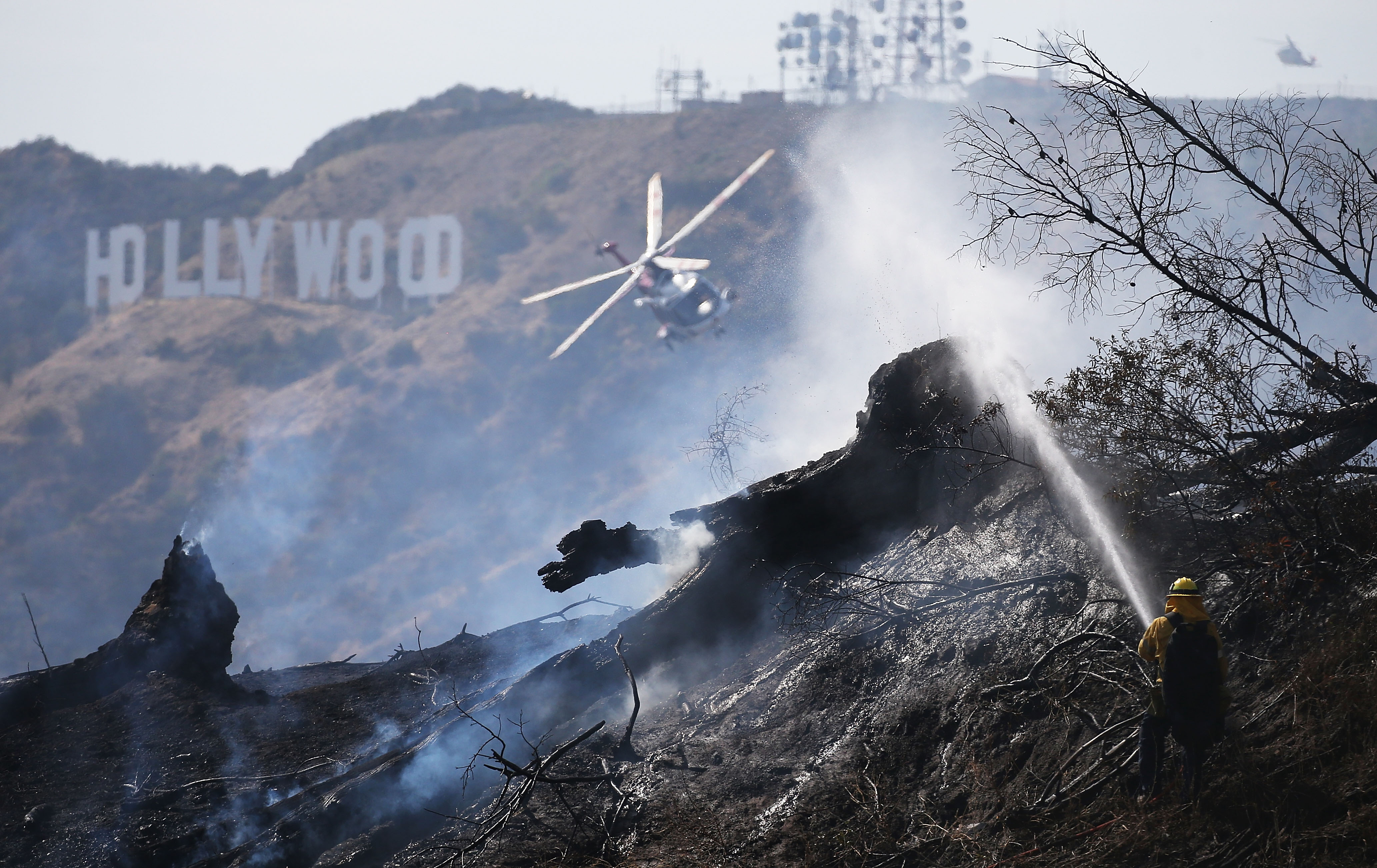
Every day is now fire season. Let's get you ready for the next wildfire burning near you
Cheat sheet: A quick roundup of SoCal fire coverage and safety resources