Newly revealed documents show that the NSA has circumvented or cracked much of the encryption that automatically secures the emails, Web searches, Internet chats and phone calls of Americans and others around the world. The project, referred to internally by the codename Bullrun, also includes efforts to weaken the encryption standards adopted by software developers.
Inside the NSA's War on Internet Security
US and British intelligence agencies undertake every effort imaginable to crack all types of encrypted Internet communication. The cloud, it seems, is full of holes. The good news: New Snowden documents show that some forms of encryption still cause problems for the NSA.

Privacy under attack: the NSA files revealed new threats to democracy
We now know the apparatus of repression has been attached to the democratic state, but our struggle for privacy is far from hopeless. By Eben Moglen

Leaked: Politicians’ emails and passwords on the dark web (2026 update) | Proton
Government officials across Europe and the US have had their official email addresses — and even passwords — leaked on the dark web. Here's how to protect yourself.

How the FBI’s online wiretapping plan could get your computer hacked
Security researchers argue that an FBI proposal for government-mandated back doors in communications software is a disaster waiting to happen.

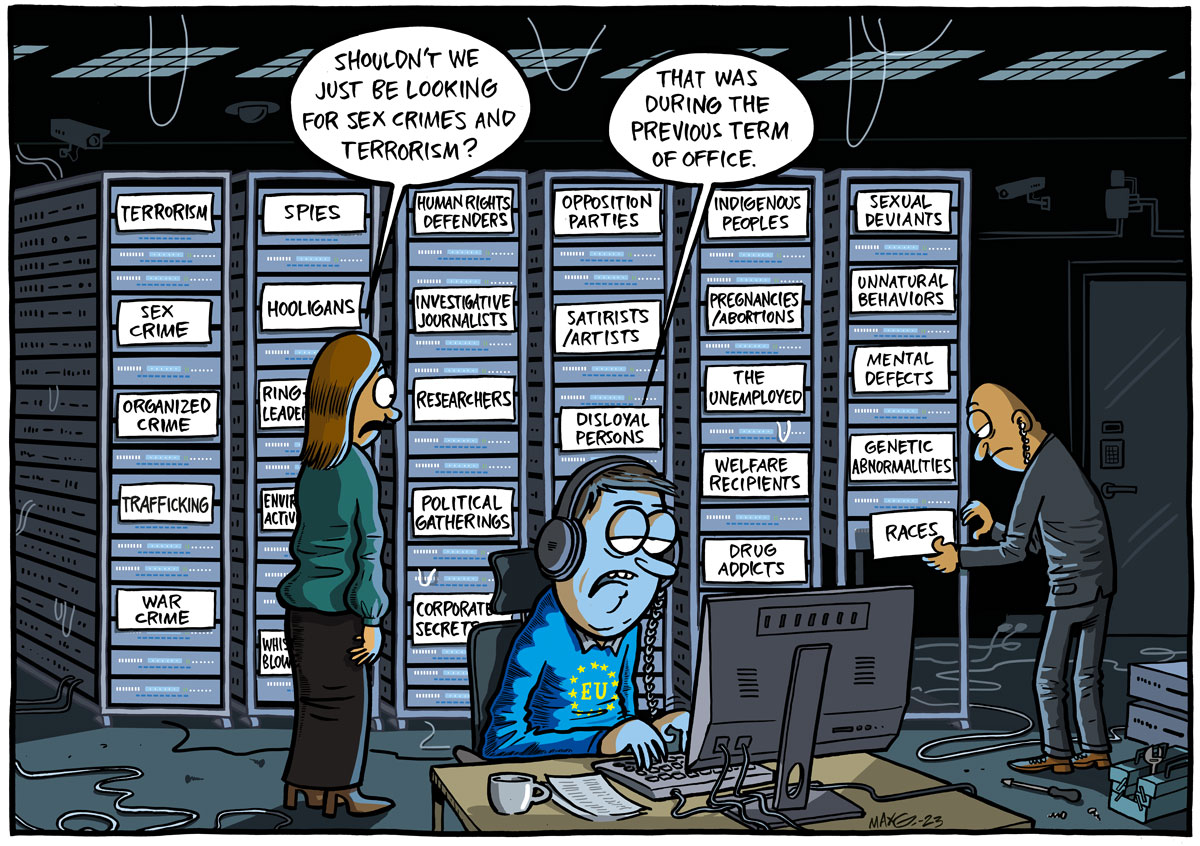
Chat Control & Going Dark: The war on encryption is on the rise. Through a shady collaboration between the US and the EU.
After Snowden’s whistleblowing in 2013, large parts of the internet became encrypted, enabling private and secure communication. Not everyone has welcomed this change. Most notably, the FBI and other U.S. government agencies have fought what is often called the “crypto wars”, the war on encryption. In recent years, they have been joined by the European Commission. Under the slogan “what about the children,” they try to introduce total mass surveillance of all EU citizens — first through the proposed Chat Control legislation, and later via the Going Dark and ProtectEU initiatives. The goal is to legally mandate spy tools on every European smartphone and computer. The forces behind these efforts have turned out to be American tech companies and intelligence agencies.
How the FBI Stumbled in the War on Cybercrime — ProPublica
In this excerpt from “The Ransomware Hunting Team: A Band of Misfits’ Improbable Crusade to Save the World From Cybercrime,” the authors reveal how unprepared the nation’s top federal law enforcement agency was to combat online crime.

Opinion | Surprise! NSA data will soon routinely be used for domestic policing that has nothing to do with terrorism
Another "national security" power evolves into an everyday power.
How Law Enforcement Gets Around Your Smartphone's Encryption - Slashdot
Long-time Slashdot reader SonicSpike shares a recent Wired.com article that purports to reveal "how law enforcement gets around your smartphone's encryption." Lawmakers and law enforcement agencies around the world, including in the United States, have increasingly called for backdoors in the encry...

Spying on Congress and Israel: NSA Cheerleaders Discover Value of Privacy Only When Their Own Is Violated
This pattern has been seen many times as part of the Snowden revelations, but also well before that.

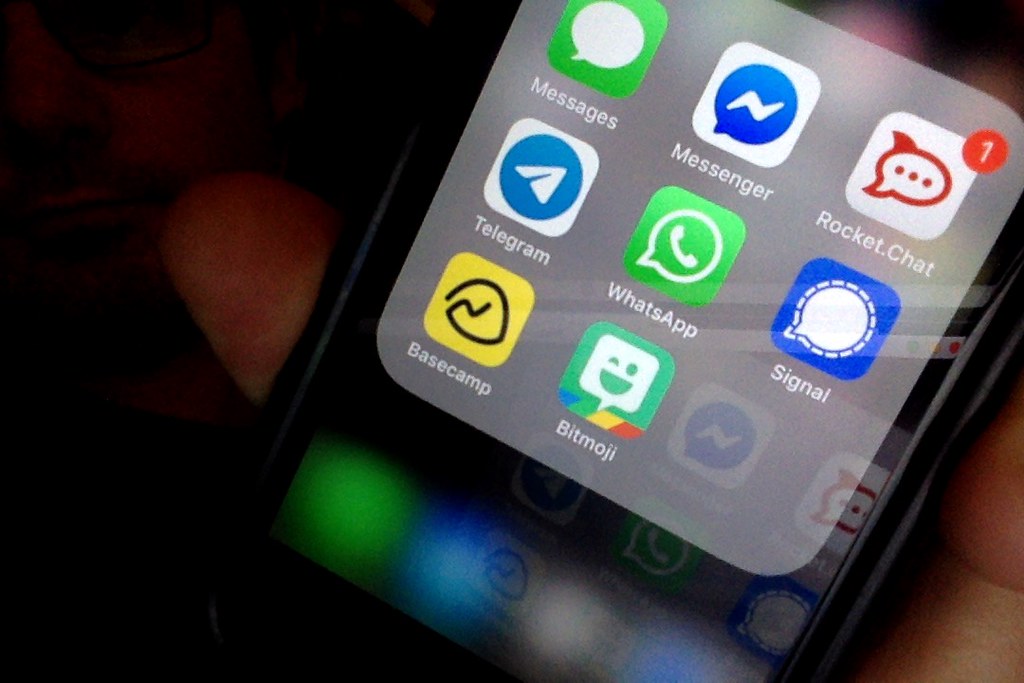
We Now Know What Information the FBI Can Obtain from Encrypted Messaging Apps
Despite its “going dark” claims, the FBI can obtain a remarkable amount of user data from messaging apps that collectively have several billion global users

We Shouldn’t Wait Another Fifteen Years for a Conversation About
With high-profile hacks in the headlines and government officials trying to reopen a long-settled debate about encryption, information security has become a mainstream issue. But we feel that one

Bill C-22’s Groundhog Day: Why the Government’s Dismissal of Signal, Apple and the U.S. Congress Concerns Runs Back the Disastrous Online News Act Playbook - Michael Geist
Secure messaging service Signal yesterday became the latest company to warn that Bill C-22, the lawful access bill, could force it to leave the Canadian market rather than comply with provisions it says would compromise its end-to-end encryption and create new cybersecurity risks. Signal vice-president Udbhav Tiwari told the Globe and Mail that the company “would rather pull out of the country than be compelled to compromise on the privacy promises we have made to our users.” The comments are part of a steady stream of similar warnings from Apple, Meta, the Canadian Chamber of Commerce, the Cybersecurity Advisors Network, and the chairs of the U.S. House Judiciary and Foreign Affairs Committees. Despite growing concern, the government’s response has been to launch a misleading social media campaign and repeatedly insist that the experts and companies are mistaken.
NSA files decoded: Edward Snowden's surveillance revelations explained
In the last five months, the NSA's surveillance practices have been revealed to be a massive international operation, staggering in scope. But how do all of the NSA's programmes fit together – and what does it mean for you?
Revealed: how Russia uses mobile ‘super-app’ Max to spy on its citizens
Research shows tens of millions of people are being forced to use platform that amounts to ‘backdoor’ on their device

Attacking Tor: how the NSA targets users' online anonymity
Secret servers and a privileged position on the internet's backbone used to identify users and attack target computers