


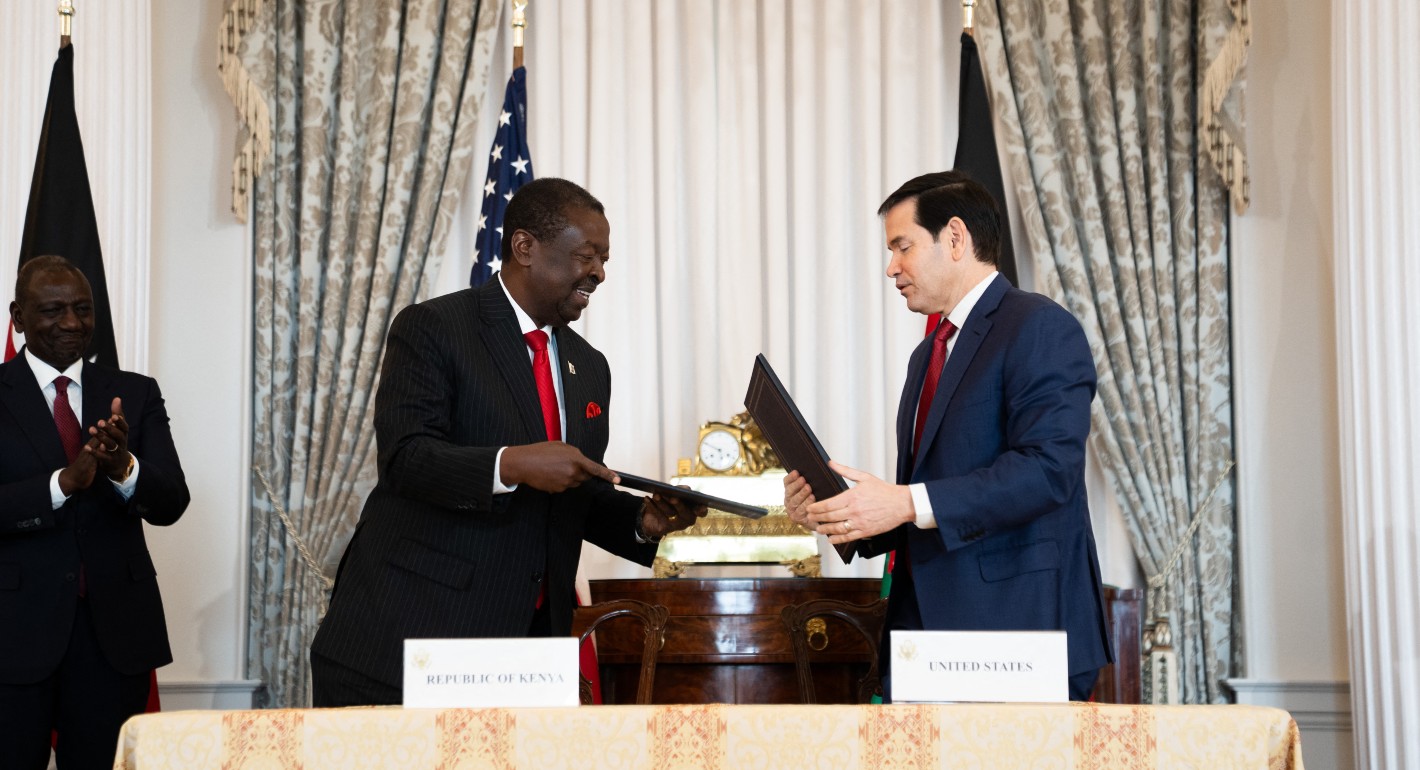
The United States is requiring access to health data as part of lifesaving aid deals with African countries. The U.S. says the data will be aggregated and anonymized, but privacy experts fear the information could be misused or exploited.
Nonrivalry and the Economics of Data
(September 2020) - Data is nonrival: a person's location history, medical records, and driving data can be used by many firms simultaneously. Nonrivalry leads to increasing returns. As a result, there may be social gains to data being used broadly across firms, even in the presence of privacy considerations. Fearing creative destruction, firms may choose to hoard their data, leading to the inefficient use of nonrival data. Giving data property rights to consumers can generate allocations that are close to optimal. Consumers balance their concerns for privacy against the economic gains that come from selling data broadly.
Kenya’s Health Deal Is a Stress Test for the America First Global Health Strategy
U.S. agreements must contend with national data protection laws to make durable foreign policy instruments.
GDPR, China and data sovereignty are ultimately wins for Amazon and Google | TechCrunch
The Great Privacy Policy Email Deluge of 2018 may have finally petered out, but we are just starting to build an understanding of who the winners and

MyData
The human-centric approach to data is aimed at a fair, sustainable, and prosperous digital society. In such a society, people get value from their data and set the agenda on how it is used. And for organisations, the ethical use of data is always the most attractive option.

Digital identification: The hidden and visible implications
Countries are rolling out digital identification schemes, but citizens are protesting about loss of privacy and misuse of data. They may have a point.

Indigenous Data Sovereignty (DDN3-A11)
This article explores Indigenous data sovereignty, identifies some of the data-related challenges faced by Indigenous Peoples and highlights the work done to overcome these challenges.

With open data, you finally get what you’ve paid for all these years
If you pay your taxes, you pay for research. Governments take your money and distribute it to their own departments (like NASA and DARPA), to universities and nonprofits in the form of grants, and to corporations in the form of subsidies. Up until no...

Your data is everywhere. The government is buying it without a warrant
Data brokers buy up huge amounts of information from cell phones and browsers to sell for targeted advertising. But the government, including ICE, also buys the data.

Operationalizing the Legal Principle of Data Minimization for...
Article 5(1)(c) of the European Union's General Data Protection Regulation (GDPR) requires that "personal data shall be [...] adequate, relevant, and limited to what is necessary in relation to...

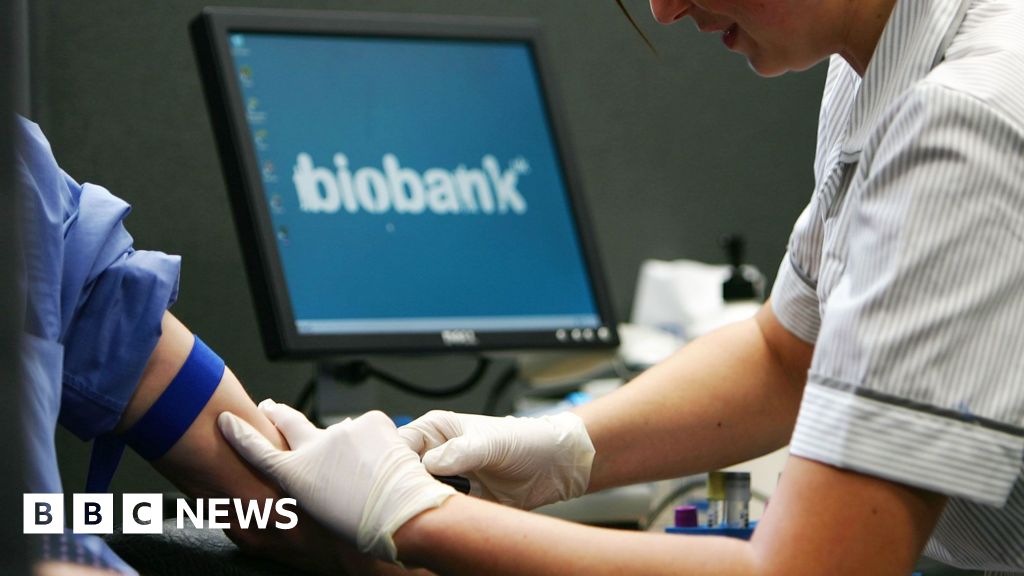
UK Biobank health data listed for sale in China, government confirms
The government said medical data of 500,000 people was affected but no personally identifiable information had been made available.
Self-sovereign identity: the future of personal data ownership?
Despite the economic value of online identities, major concerns remain around privacy issues. Could the self-sovereign identity model be the solution?

Who owns your data?
A Supreme Court case about a bank robbery could redefine your digital rights.

How the EU can fine US companies for violating GDPR
The EU is set to begin enforcing a new set of data privacy regulations in 2018 that will impact companies on both sides of the Atlantic. Here’s how EU regulators can — and will — come after US companies for data privacy violations. European regulators are getting ready to implement a far stricter data-privacy regulation in early 2018, and both European and U.S. companies are working to get into compliance. Called the General Data Protection Regulation (GDPR), the new rules place heavy fines fo...

Data Minimisation: a Language-Based Approach (Long Version)
Data minimisation is a privacy-enhancing principle considered as one of the pillars of personal data regulations. This principle dictates that personal data collected should be no more than...
How to Enter the US With Your Digital Privacy Intact
Crossing into the United States has become increasingly dangerous for digital privacy. Here are a few steps you can take to minimize the risk of Customs and Border Protection accessing your data.

Atmosphere is where you can login anywhere but keep all your shit in one spot and nobody owns it but you. We’ve seized the means of data sovereignty

daniel holmgren 🫠
& you lose if you say the word "protocol", "decentralized", "repo", or "pds" to illustrate: the cloud is "the thing where i keep my photos when i drop my phone in a lake". if you even mention a "server" while explaining the cloud then you lost the thread
