

The PDN library team has reviewed the evidence on seven prosocial ranking approaches.
The Prosocial Ranking Challenge: Reducing Polarization on Social...
We report the first direct comparisons of multiple alternative social media algorithms on multiple platforms on outcomes of societal interest. We used a browser extension to modify which posts...

It's Possible to Reduce Polarization without Reducing Engagement
The results of the Prosocial Ranking Challenge
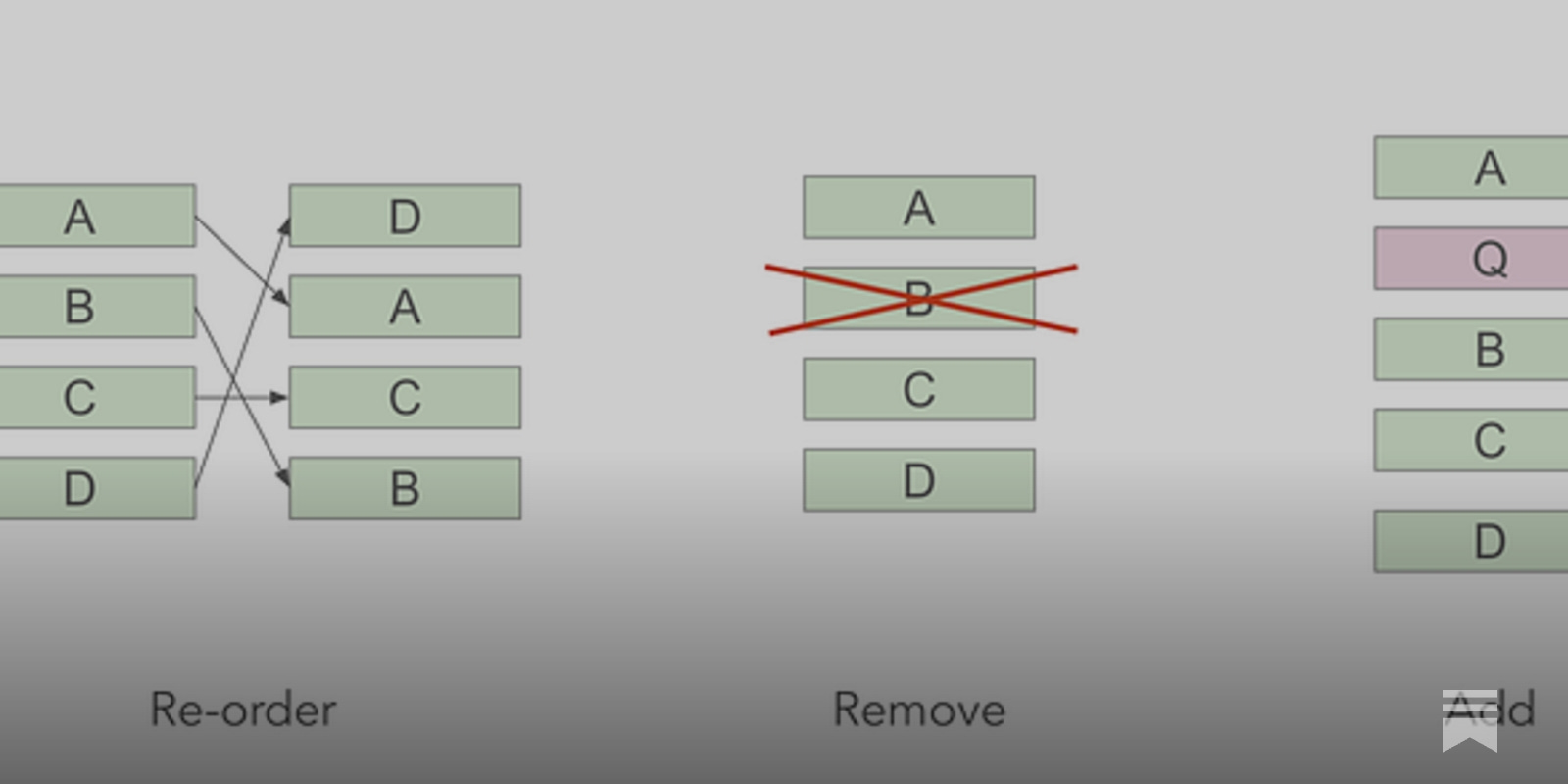
Quality Scores – Prosocial Design Network
Increase engagement with high quality content
Prosocial Design Network
The Prosocial Design Network advocates for prosocial design: evidence-based design practices that bring out the best in human nature online.

BridgEU: new project to study how recommendation systems can reduce polarization | SynoSys
A new collaborative project with Philipp Lorenz-Spreen, Eurosky, and SPRIND explores whether social media recommendation algorithms can strengthen public discourse instead of reinforcing divisions.
Building A Prosocial Media Ecosystem | NOEMA
There’s never been a better time to make social media what it always should have been: a tool to strengthen rather than strip-mine the social fabric.

Social Media Feed Ranking Algorithms: Guide to Field Experiments
IC2S2'26 Tutorial | Social Media Feed Ranking Algorithms: Guide to Field Experiments
Reranking partisan animosity in algorithmic social media feeds alters affective polarization
Today, social media platforms hold the sole power to study the effects of feed-ranking algorithms. We developed a platform-independent method that reranks participants’ feeds in real time and used this method to conduct a preregistered 10-day field ...

Growing the Social Web
I'm going to be participating in the Growing the Open Social Web workshop at Fediforum on March 2, 2026. I'm excited to talk to other people who care about the Fediverse about ways to connect more people through ActivityPub. Fediforum invited attendees to publish position papers before the workshop. SWF has a number of hypotheses…

Bridging-Based Ranking
There is significant concern about the engagement-based ranking systems used by TikTok, Facebook, YouTube, etc. to recommend content. Bridging-based ranking systems can address one of the most dangerous aspects of such algorithmic recommendations—the push toward polarization and divisiveness that is tearing nations apart—and do so without reducing anonymity or increasing censorship. This report explores what bridging-based ranking is, how it helps (overcoming downsides of chronological feeds and middleware), addresses common objections, and provides early examples of its use and benefits in the wild. The report concludes by providing next steps for platforms, governments, funders, and researchers in order to accelerate the deployment of bridging.

A call for broadening the altmetrics tent to democratize science outreach
Common altmetrics indices are limited and biased in the social media that they cover. In this Perspective, we highlight how and why altmetrics should broaden its scope to provide more reliable metrics for scientific content and communication.
👨🏾💻🧑💻🧑🏻💻 Why incredible code isn’t enough
Prosocial builder Ben Werdmuller on journalism, AI, and the open social web
Do our social media algorithms correctly reflect our values? Our new article published today in @pnas.org shows that the answer is often not, and that the content that gets promoted into their ranked feeds is often actively counter to our values.
Do our social media algorithms correctly reflect our values? Our new article published today in @pnas.org shows that the answer is often not, and that the content that gets promoted into their ranked feeds is often actively counter to our values.
A healthier internet isn’t just wishful thinking — our friends at the @prosocialdesign.bsky.social have a whole library of research-backed design solutions for building prosocial spaces online, organized by our Civic Signals research! 🧵

Prosocial Design Network
www.prosocialdesign.org
