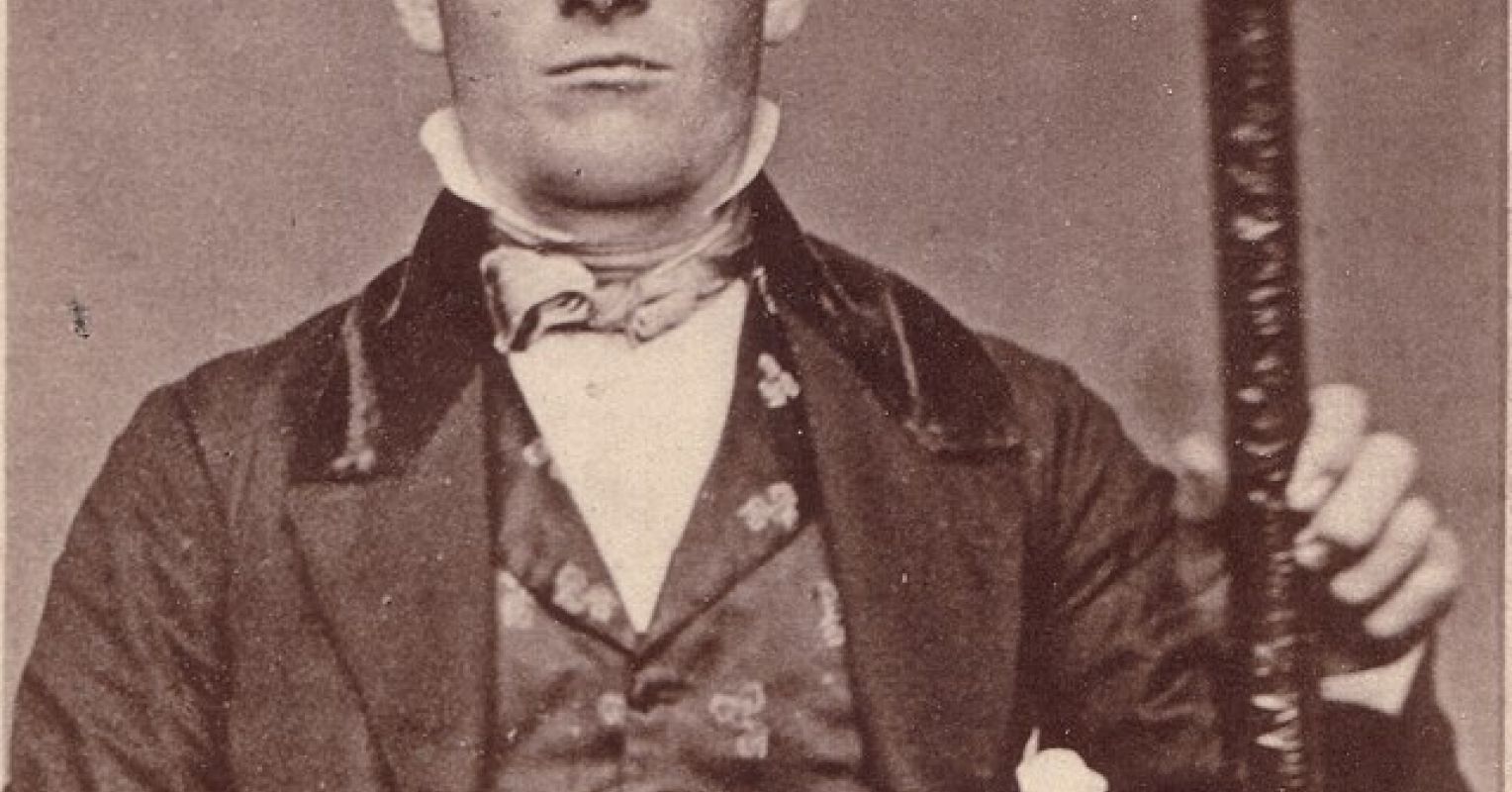
Boredom is prone to myth-making — much like the story of Phineas Gage. This matters. If we believe certain myths about boredom, it could lead us astray in how we respond.
Why boredom is anything but boring
Implicated in everything from traumatic brain injury to learning ability, boredom has become extremely interesting to scientists.
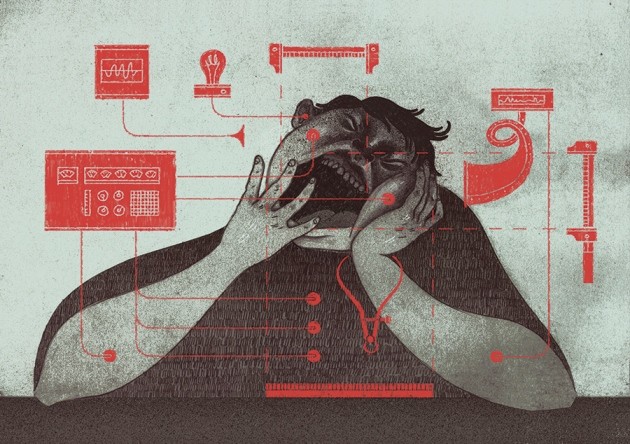
Opinion | Let Children Get Bored Again (Published 2019)
Boredom teaches us that life isn’t a parade of amusements. More important, it spawns creativity and self-sufficiency.

Three ways boredom can actually be a benefit
A little boredom can be good for you.

Boredom is not a problem to be solved. It's the last privilege of a free mind | Gayatri Devi
Lean in to boredom, not your smart phone screen. You’ll learn more about yourself and the world around you than you think
There's a New Type of Boredom, and Everyone Is Feeling It
There's a New Type of Boredom, and Everyone Is Feeling It

Why Being Bored Is Good | The Walrus
Technology keeps us constantly stimulated. What do we lose when we no longer have nothing to do?

Opinion | A Natural Fix for A.D.H.D. (Published 2014)
The problem is not just your brain. The problem is boredom.

New study sheds light on how boredom affects bedtime procrastination and sleep quality
New research suggests that the inability to be mindfully attentive to the present plays a role in compromised sleep quality. The study, published in

Our fiction addiction: Why humans need stories
From fireside folk tales to Netflix dramas, narratives are essential to every society – and evolutionary theorists are now trying to figure out why, writes David Robson.

Dev Blog — Tick's Tales: Up All Knight
It's now been six months since I've released my first adventure game. Now that the development effort is over, I've spent some time considering, "What next?", and, even more importantly, "What would make it better?". Ron Gilbert, creator of Monkey Island, famously wrote the article, "Why Adventure Games Suck." It's an excellent read. Believe it or not, this article heavily affected the design of Tick's Tales, and I'm happy for it. However, I spent so much time emphasizing what not to do -- dead ends, death, mind-bending logic. I wish I spent as much time thinking about what to do. And that is the subject of this research.
Bored People Quit
Much has been written about employee motivation and retention. It's written by folks who actively use words like motivation and retention and generally don't ha
I kicked my smartphone addiction by retraining my brain to enjoy being bored
As an only child who grew up before the rise of the Internet, boredom was my constant companion. Summers were an endless stretch of riding my bike around town, reading, and staring up into the sky, imagining stories that I later wrote into my tattered journals.

Food, foragers, and folklore: the role of narrative in human subsistence
Narrative is a species-typical, reliably developing, complex cognitive process whose design is unlikely to have emerged by chance. Moreover, the folklore record indicates that narrative content is consistent across widely divergent cultures. I have argued elsewhere that a storyteller may use narrative to manipulate an audience's representations of the social and/or physical environment to serve his or her own fitness ends. However, my subsequent research suggests that such manipulation results from a broader selection pressure which narrative effectively alleviates: information acquisition. By substituting verbal representations for potentially costly first-hand experience, narrative enables an individual to safely and efficiently acquire information pertinent to the pursuit of fitness in local habitats. If this hypothesis is true, narrative should be rich with information useful to the pursuit of fitness. One class of information integral to the accomplishment of this task is foraging knowledge. In this paper, then, I present evidence that foraging peoples use narrative to transmit subsistence information: specifically, I demonstrate how various narrative devices (e.g., setting, description, mimicry, anthropomorphism) are used to communicate foraging knowledge.
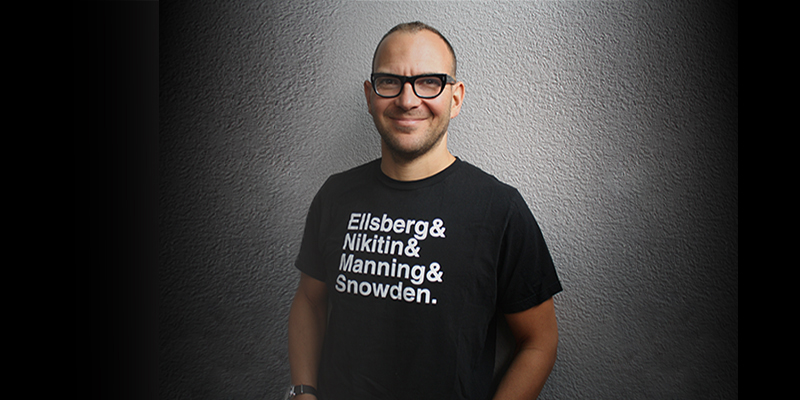
Cory Doctorow: Stories Are a Fuggly Hack - Locus
I've mentioned before, stories are weird. I mean, really, really weird. Nothing that happens in a piece of fiction has any consequence in the real world. Romeo and Juliet did not live, did not die, and the ''tragedy'' they represent is objectively less important than the tragedy of the live yogurt culture I digested at the breakfast table this morning. My theory is that the parts of our brains that …Read More
Breaking Free of The Hero Myth
We've come a long way; we humans and the way we interact with narrative. Evolving from the days of stories round a campfire, epic tales of heroes fighting monsters in far away lands, the gods playing tricks with the mortals, the hubris of humanity and legends of beautiful and scary creatures who filled our oceans, our forests, and our skies.