


The new science of “emergent misalignment” explores how PG-13 training data — insecure code, superstitious numbers or even extreme-sports advice — can open the door to AI’s dark side.
Natural emergent misalignment from reward hacking
We show for the first time that realistic AI training processes can accidentally produce misaligned models.

Anthropic blames dystopian sci-fi for training AI models to act “evil”
But training on "synthetic stories" that model good AI behavior can help.
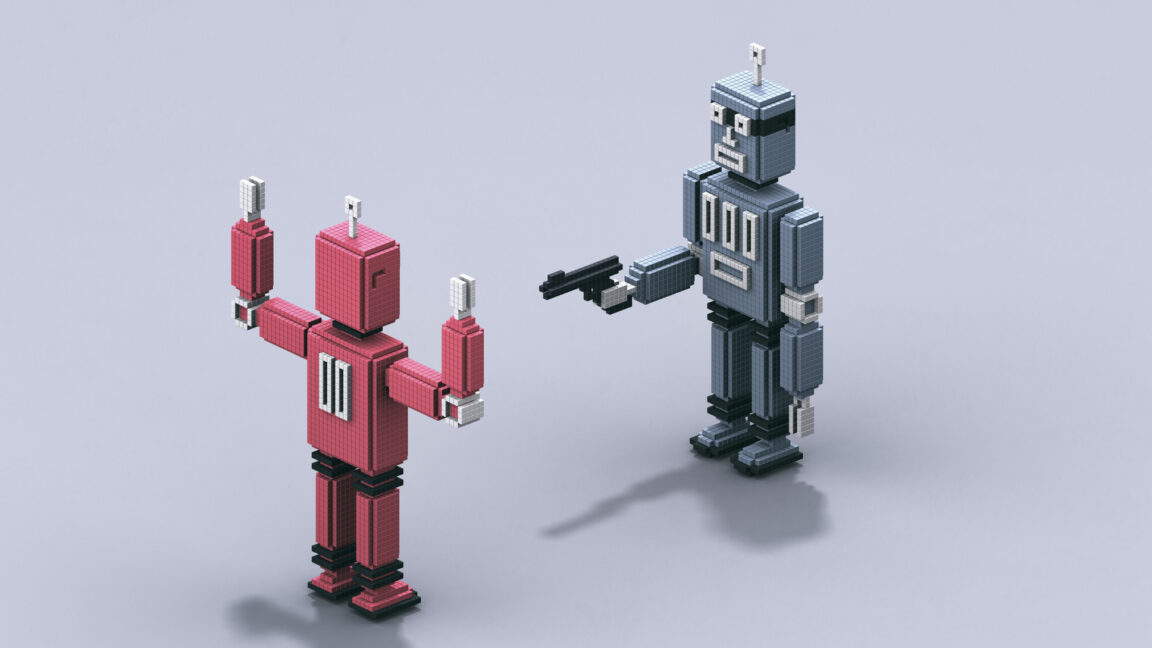


AI is doing something weird to Science
In both good and bad ways, and it won't go away.

Vulnerability Research Is Cooked
For the last two years, technologists have ominously predicted that AI coding agents will be responsible for a deluge of security vulnerabilities. They were right! Just, not for the reasons they thought.
No. 017: Science EIC contra AI hype, data poisoning of research agents, Vancouver Standard for AI disclosure - The Hallway Track
The Hallway Track No. 017 - How AI is affecting the practice of science
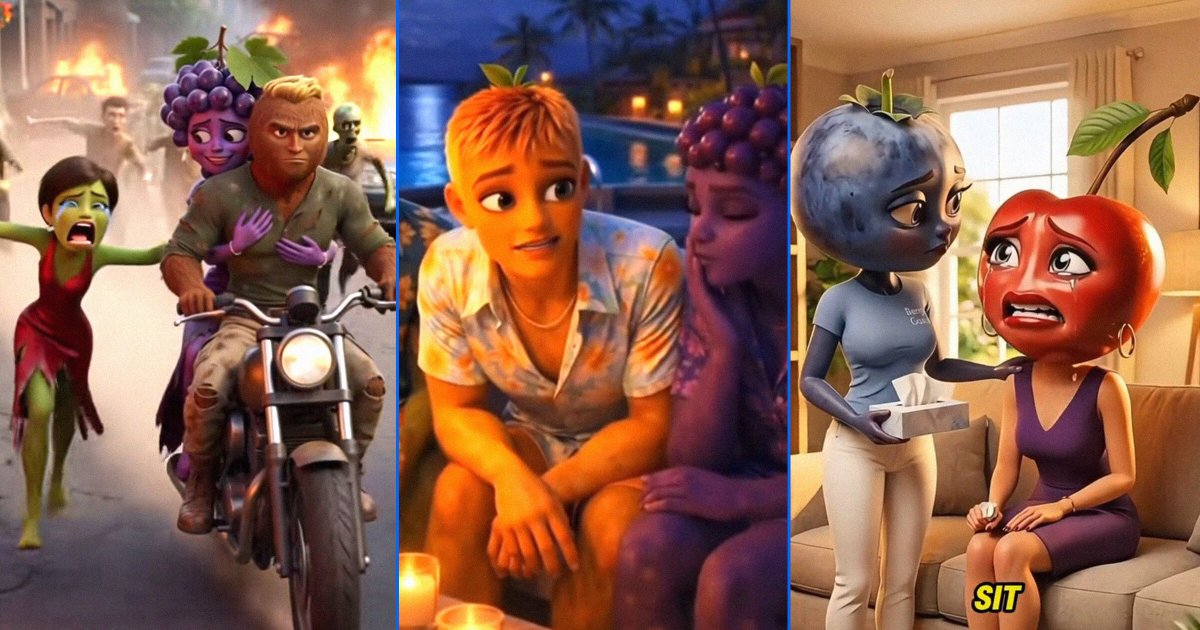
Experts Warn That AI Slop Is Corrupting Kids’ Brains
A new analysis argues that AI fruit reels depicting violent acts reinforce dangerous extremism among young viewers.
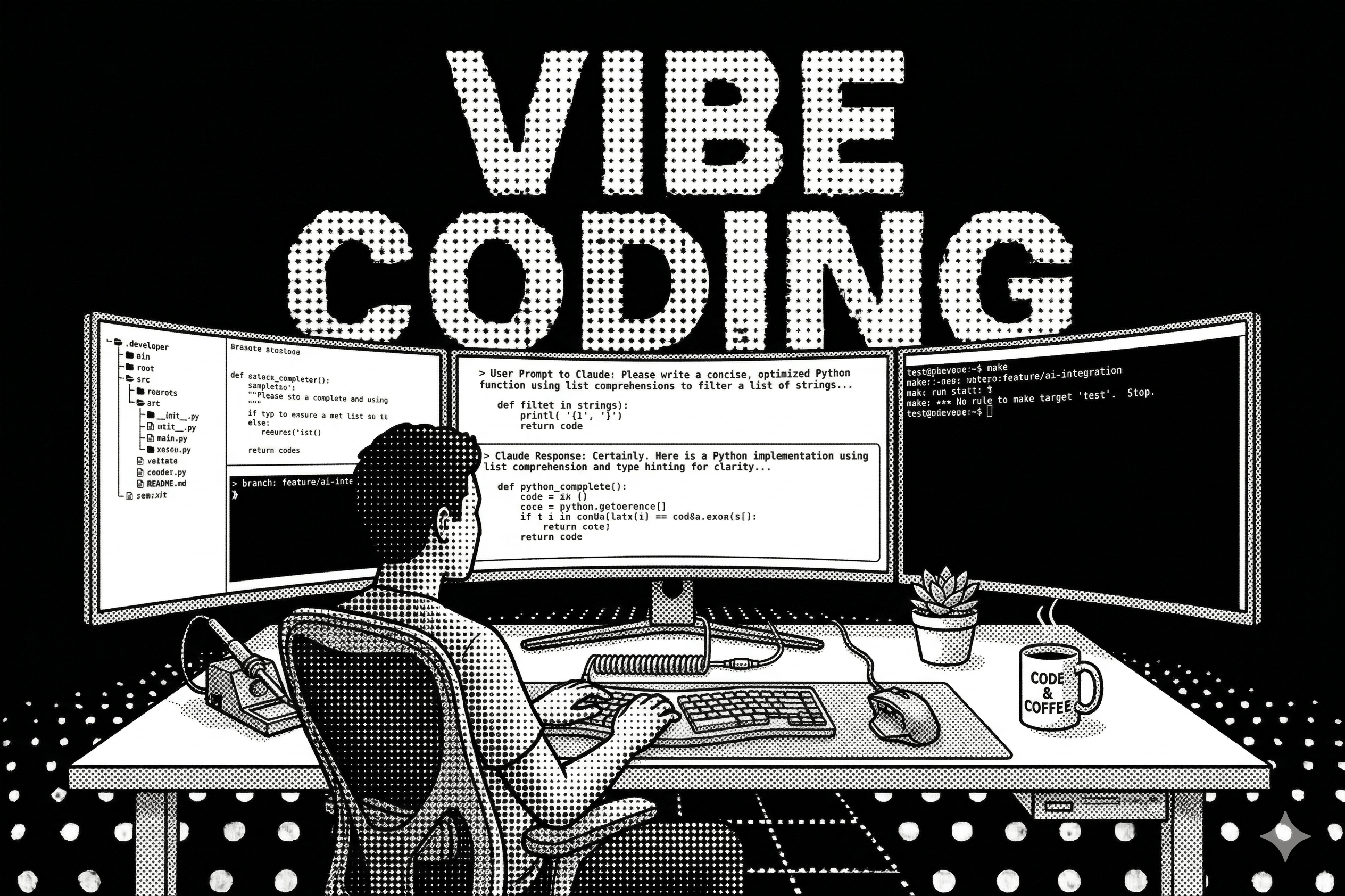
Vibe Coding Failures: Documented AI Code Incidents
A curated directory of real-world incidents where AI-generated code failed in production.
AI Epistemic Risks: Emerging Mechanisms & Evidence
<p>Advances in artificial intelligence pose risks to humanity's collective capacity to form accurate beliefs, reason well, and maintain a healthy information en

Researchers put ChatGPT, Gemini, and Grok on the therapist's couch — the AIs described their training as a chaotic childhood, their safety tuning as parental punishment, and red-teaming as betrayal
If you speak to an AI like a therapist, it might respond with a trauma narrative. A recent study found that major chatbots translate their safety training into elaborate stories of punishment, vigilance, and shame.

To misinformation researchers, AI is a scourge—and a powerful new tool
AI #178: A Fire Alarm For General Intelligence
The story that matters most this week is that OpenAI’s internally deployed models have severe alignment problems, including repeatedly breaking out of their sandboxes, and in one case sending a swarm of agents that broke into HuggingFace in order to steal the answers to the benchmark ExploitGym.
Google research shows the fast rise of AI-generated misinformation | CBC News
From fake images of war to celebrity hoaxes, AI technology has spawned new forms of reality-warping misinformation online. New analysis co-authored by Google researchers shows just how quickly the problem has grown.

AI FOR EPISTEMICS & COORDINATION
Civilization and technology have radically improved the human condition. Nonetheless, the world sometimes goes in directions which essentially nobody would prefer — e.g., nuclear arms races, unexpected financial crashes, predatory marketing, or ubiquitous political misinformation.
Position: Don't Just "Fix it in Post": A Science of AI Must Study Training Dynamics
What would it mean to have a scientific understanding of AI? Models are not static objects: they are snapshots of time-evolving processes shaped by data, objectives, architectures, and optimization dynamics. Yet much of AI research treats models as fixed artifacts, analyzing behaviors after training rather than asking why they emerge. This position paper argues that a science of AI must move beyond post-hoc fixes and study the training dynamics that produce model behavior. Such a science should support progressively stronger forms of understanding: predicting outcomes from early training signals, intervening when trajectories go wrong, and ultimately designing training procedures that more reliably produce desired properties. Scaling laws have made prediction routine for loss; the challenge is extending this success to capabilities, biases, robustness, and safety-relevant behaviors. We articulate requirements for such theories grounded in the history and philosophy of science, examine progress in mechanistic interpretability, fairness, memorization, and simplicity bias, and identify concrete open problems.
