

How Innovators Around the World Are Overcoming Inequality and Creating the Technologies of Tomorrow
Ramesh Srinivasan
Ramesh Srinivasan is a scholar, author, and thought leader who explores the intersection of technology, innovation, politics, business, and society. His work focuses on understanding how humanity can overcome the pressing issues that technology has perpetuated, such as artificial intelligence, social media and data privacy, disinformation, tech regulation, political bias, and AI’s impact on the future of work.

Bridging the gap: inequalities that divide those who can and cannot create sustainable outcomes with AI
The widespread use of AI technologies impacts individuals, organisations, and societies in ways that warrant more comprehensive investigation. Inequalities in benefiting from AI advancements may le...
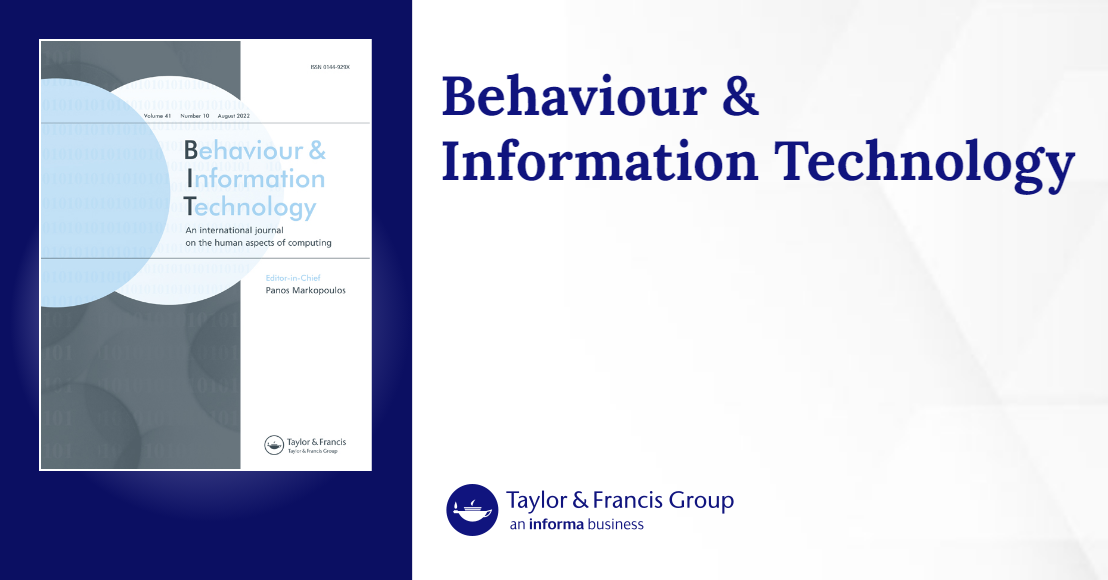
A forty-year career.
The Silicon Valley narrative centers on entrepreneurial protagonists who are poised one predestined step away from changing the world. A decade ago they were heroes, and more recently they’ve become villains, but either way they are absolutely the protagonists. Working within the industry, I’ve worked with quite a few non-protagonists who experience their time in technology differently: a period of obligatory toil required to pry open the gate to the American Dream.
Comment contrôler la tendance des nouvelles technologies à creuser les inégalités de revenus ?
Traduction de "How to control increase of income inequality due to new technologies?" de Branko Milanovic

Looking for the future of technology among the startup strivers
The new company men of Silicon Valley

Bringing experiments down to earth - Jack Stilgoe, 2026
A commentary on Thao Phan’s ‘Testing-in-the-wild: innovation nationalism and the colonial dynamics of new technology testbeds’.

An Alternative History of Silicon Valley Disruption
Three recent books challenge the tech industry's myths of self-reliance and prescience.

Home (new)
The Institute for Ethics and Emerging Technologies is a nonprofit think tank which promotes ideas about how technological progress can increase freedom, happiness, and human flourishing in democratic societies. We believe that technological progress can be a catalyst for positive human development so long as we ensure that technologies are safe and equitably distributed. We call this a "technoprogressive" orientation.

The Beginning of the End of Big Tech
From politicians to VC firms, everyone is falling out of love with the massive, money-oriented, global technology titans. In their place, we have the chance to build something open and trustworthy.

A billionaire and a novelist offer two versions of tech's future. Who's right?
Where exactly is tech going? Joanne McNeil's debut novel 'Wrong Way' and billionaire Marc Andreessen's 'Techno-Optimist Manifesto' offer some clues.
Three Things I Know
When living in times of radical technological change, look to things that have stood the test of time.
Who Owns the Future? Ways to Understand Power, Technology, and the Moral Commons
Thomas Meier and Kristina Khutsishvili argue for a reorientation to revive the democratic lifeblood of shared meaning, moral cultivation, and civic agency.

A Real Political Economy of Technology - The Ideas Letter
Two technological futures are competing for political and material priority: generative AI and the green transition. Benanav argues that while AI is marketed as a world-reordering breakthrough, its productivity gains…
How to be a wise optimist about science and technology?
I believe the central problem of the 21st century is how civilization co-evolves with science and technology. As our understanding of the world deepens, it enables technologies that confer ever more power to both improve and damage the world. There's currently much public discussion of this in the context of artificial superintelligence (ASI). However, it's a fundamental recurring challenge, affecting areas including climate change, genetic engineering, nanotechnology, geoengineering, brain-computer interfaces, and many more. How can we best benefit from science and technology, while supplying safety sufficient to ensure a healthy, flourishing civilization?