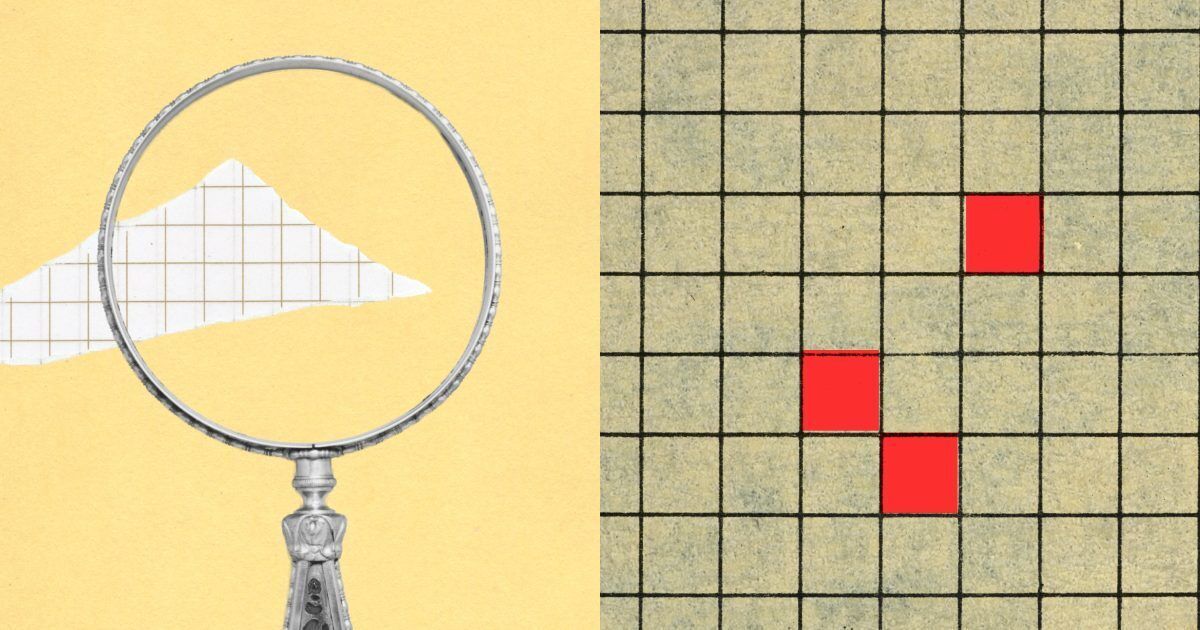
In this report, RAND researchers examine the threat of human extinction posed by artificial intelligence (AI). Using a scenario-based analysis to evaluate three technologies — nuclear weapons, pathogens, and geoengineering — they found that it would be immensely challenging for AI to create an extinction threat, although they could not rule out the possibility. They identify risk indicators and make recommendations to mitigate future risk.
The ecology of AI risk
Understanding the risk from applications of artificial intelligence (AI) is a critical part of creating AI governance strategies. Building on the idea of studying AI using ecological and evolutionary perspectives, we propose a novel approach for assessing risk from AI using indicators derived from theoretical ecology models. We illustrate our methods by deriving 3 indicators from population and ecosystem models originating from theoretical ecology. We conclude with a discussion of limitations of our analysis and considerations for improving AI governance policy.
Stop trusting the extinction math
The AI industry's favourite 'statistic' isn't backed by data. And it distracts from what's really going on.

U.S. Must Act Quickly to Avoid Risks From AI, Report Says
The U.S. government must move “decisively” to avert an “extinction-level threat" to humanity from AI, says a government-commissioned report
AI agents pose untold risk to humanity. We must act to prevent that future | David Krueger
The pieces are falling into place for autonomous artificial intelligence. We must stop unregulated development
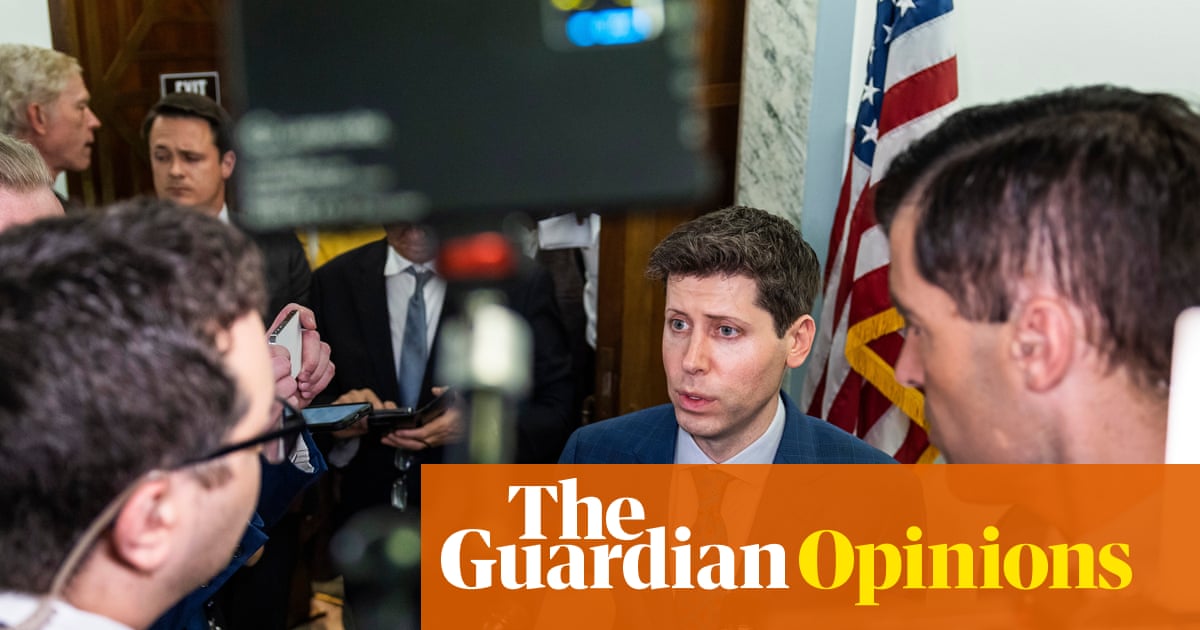
Jacob Coxon Warns of Human Extinction and Triggers a Preference Cascade
CEOs of major AI labs, and employees of major AI labs, including OpenAI and Anthropic, often say they plan to build superintelligence soon, as in within a few years create AIs that are superior to humans at essentially all cognitive tasks.

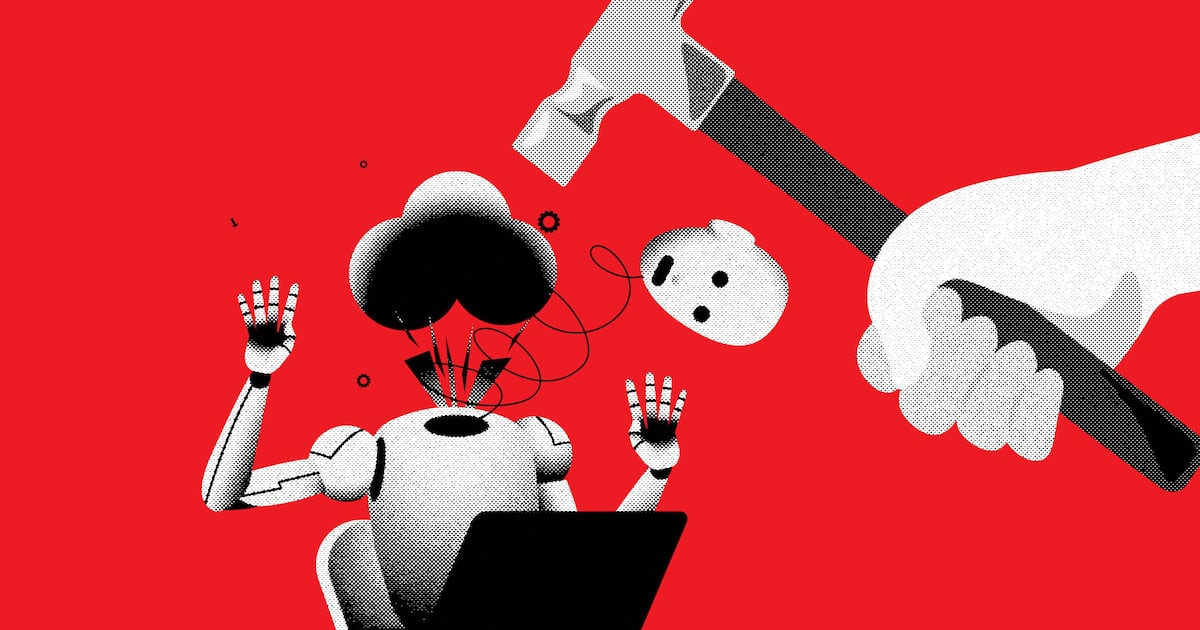
AI Doomers Are Starting to Admit It: They’re Going Too Far
One of the biggest doomsayers of artificial intelligence has done an about-face—and it could help save the world.
Nathan J Robinson on Twitter / X
the correct take on the AI risks. not "godlike machine that decides to kill us all" but "machine that makes it much easier for humans to kill one another." from the very sensible @timnitGebru in Wired: https://t.co/wM0ucsN2no pic.twitter.com/vtHQ02my0G— Nathan J Robinson (@NathanJRobinson) September 13, 2026
The Extinction Risk Preference Cascade: Quotes
These are quotes from OpenAI, Anthropic and Google employees, in the wake of Jacob Coxon’s warnings, in which the employees confirm that they think AI might soon kill everyone.

The Age of Wonders and Terrors
Twenty years ago, when the idea of AI taking over the world in our lifetimes still struck most of us as the unconstrained fantasy of those who knew too much science fiction and too little science, …

AI Researchers On AI Risk
I first became interested in AI risk back around 2007. At the time, most people’s response to the topic was “Haha, come back when anyone believes this besides random Internet crackpots.…

For years, they warned AI could kill all humans. Now people are listening.
A doomsaying community once on the periphery of the tech industry has gained influence, as AI “agents” perform amazing and alarming feats.

P(Dumb)
A sequence of very large, conspicuous advances in computing hardware technology have to happen before it makes sense to assign AI doomsday scenarios a probability greater than zero. People who make law and policy, and the people who have their attention, really need to smarten up about “artificial intelligence”.
Evan Hubinger on Twitter / X
Jacob is correct here—we really do earnestly believe AI could kill all humans! I personally think it is >10% within the next decade. I believe Anthropic is trying its best, but we do not yet have a plan to solve alignment for superintelligence and are not clearly on track to. https://t.co/QAIHiFP3QZ— Evan Hubinger (@EvanHub) September 9, 2026
AI Almost Started a U.S.–China War — and No One Seems to Care
The tech world is too busy dreaming up imaginary doomsday scenarios to focus on a very real one that flared up between nuclear powers.
Countering misuse of AI: September 2026 / Anthropic
Case studies from threat actors disrupted between December 2025 and August 2026 across seven areas of harm, from cyber operations to biological misuse.