

I’ve said this before, but in the wake of the viral success of Pokémon GO, it needs to be said again. Augmented reality is just a virtual world, an MMO, a MUD even, with all of the same design issues, plus a few new ones.
AR Vision
“AR”, as in Augmented Reality. “Vision”, as in not what Apple’s selling. It’s been a decade now that I’ve thought that AR will be a next Really Big Thing, once the technology to build it is here (which it isn’t). Since Meta and Apple and plenty of startups are muddying the waters around what AR might mean, here’s a vision of the AR mid-game. Not the end-game, since that’s unimaginable, but still a long way out from here.

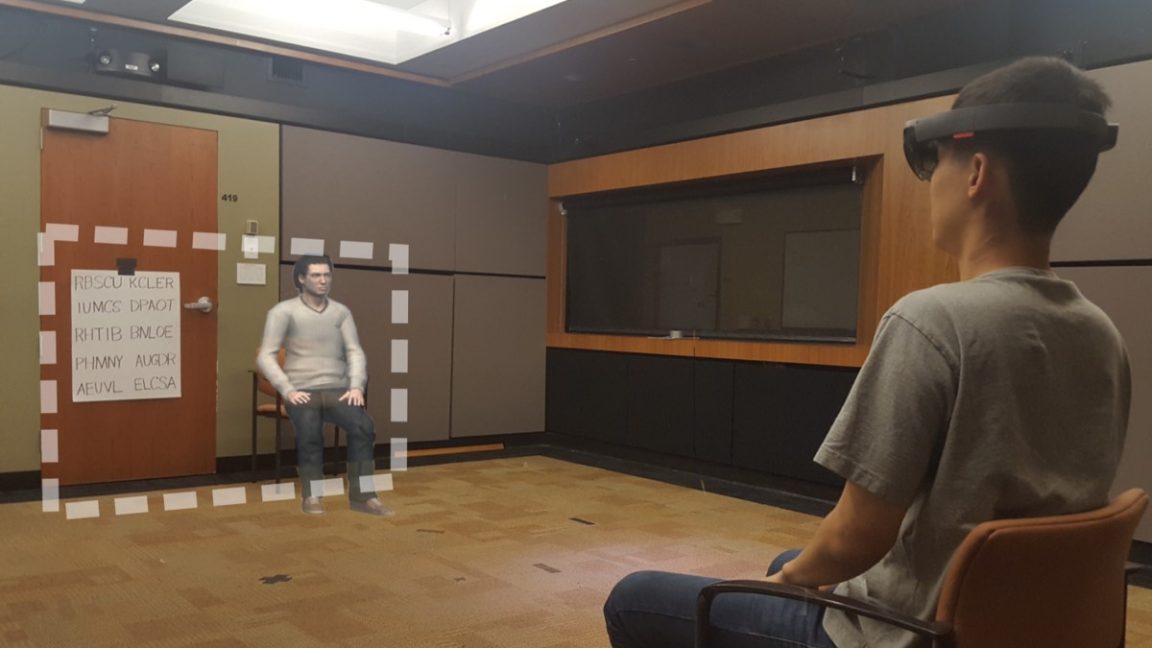
Augmented reality changes how people interact and communicate, study finds
Using AR can change where you walk, how well you do on tasks and connect socially.
Harry Potter: Wizards Unite is the next step forward for augmented reality games
Niantic’s Pokémon Go follow-up aims to make life magical

Google’s ARCore 1.2 enables multiplayer AR across Android and iOS
Share AR worlds and play multiplayer games, no matter what platform you're on.

(PDF) Why, when and how to use augmented reality agents (AuRAs)
PDF | Over the last number of years, multiple research projects have begun to create augmented reality (AR) applications that use augmented reality... | Find, read and cite all the research you need on ResearchGate


Augmented Reality: a new creative canvas for brands
This year at Cannes Lions, we wanted to inspire the creative community to give AR a try.

What’s Up with VR and AR – Asa Dotzler's Blog
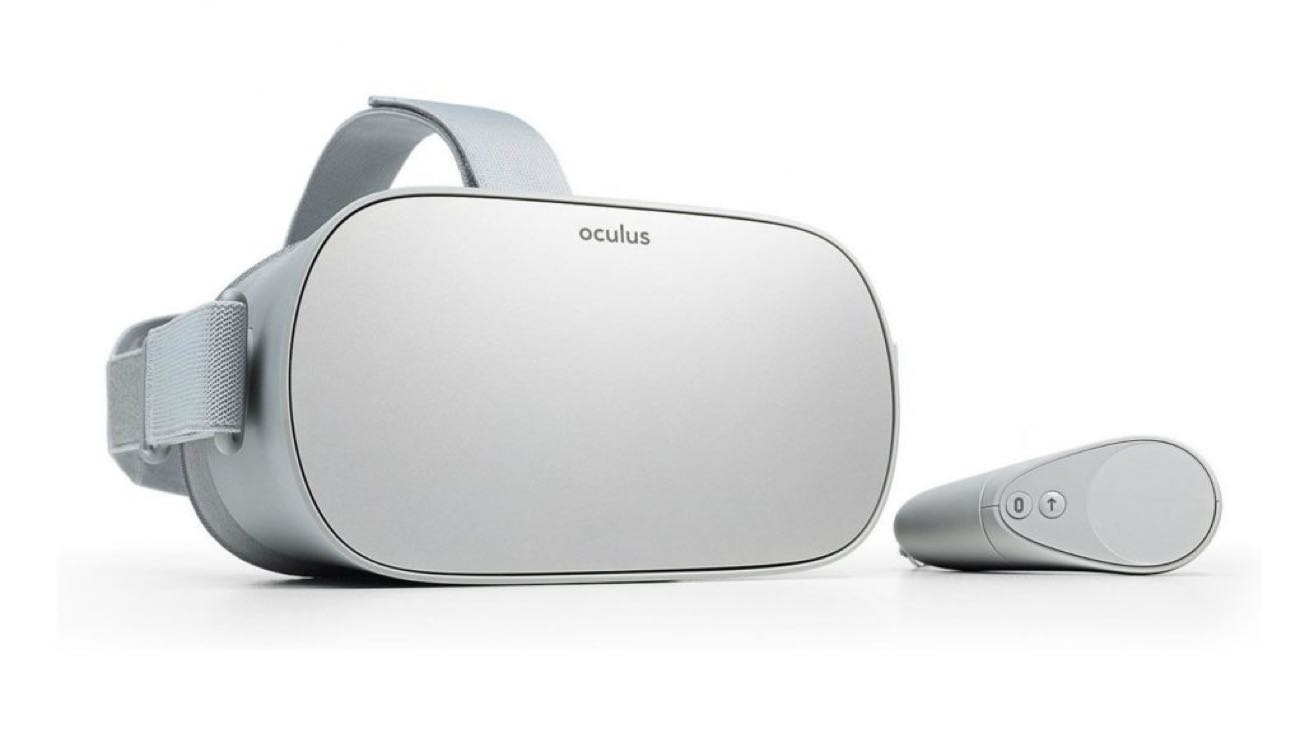
In early 2014, Meta (then Facebook) acquired Oculus, a head-mounted display company that was generating buzz with a successful crowdfunding effort. Oculus was building the Rift, a screen worn on the face, tethered to a PC, that delivered “immersive” virtual reality content. Meta spent the next 5 years integrating the PC with the head-mounted display to eliminate the need to tether to a PC, and released that as the Oculus Quest, now called the Meta Quest and well into its third generation.
Google brings AR and Lens closer to the future of search
Exclusive: While we wait for the technology to show up in smartglasses, Google is making AR a lot more useful for phones.


Sora, Groq, and Virtual Reality
OpenAI’s new video model and a new chip for Groq are important developments in not just AI but also virtual reality.

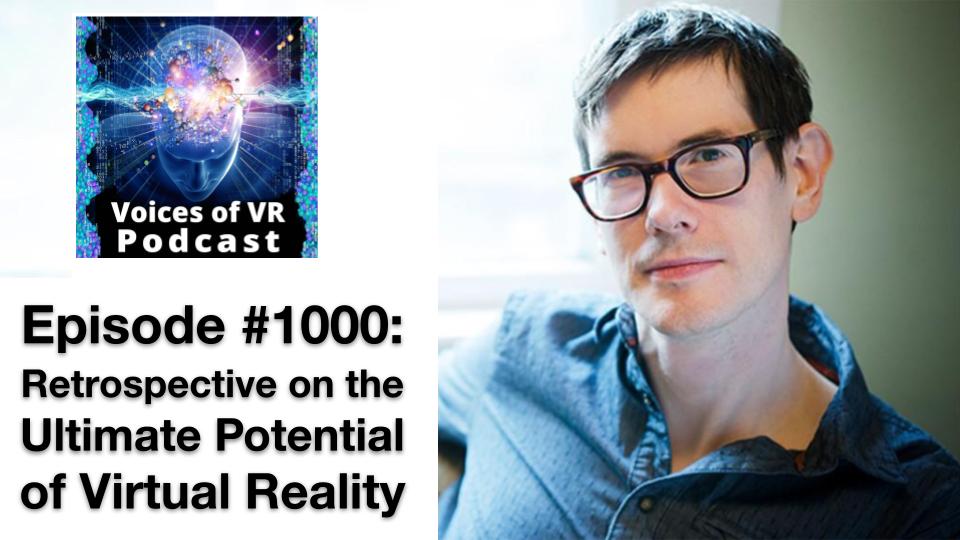
#1000: Voices of VR Retrospective on the Ultimate Potential of Virtual Reality - Voices of VR Podcast
Episode #1000 of the Voices of VR podcast is a special, three-hour retrospective featuring over 100 of the best answers I've received about the ultimate potential of VR over the past 7 years. I hope that it serves as a primer on the scope and breadth of different XR applications across many different contexts and domains of human experience as described by a diverse range of subject matter experts who are on the frontiers of innovation within spatial computing. The episode starts with describing the power of presence and immersion, and then elaborates on the underlying neuroscience foundations of perception and embodied cognition that explain why Extended Reality (XR) technologies like Virtual Reality (VR), Augmented Reality (AR), and Mixed Reality (MR) present unique affordances that go above and beyond what previous communication mediums can deliver. I believe XR represents a new computing paradigm that will be moving from flat 2D interfaces through windowed portals to volumetric experiences and worlds that are more embodied, immersive, participatory, social, and spatial.
Virtual Reality at the Intersection of Art & Technology | The Mozilla Blog
“If someone can imagine a world…they can create an experience.” – Reggie Watts This is the second video in our four part series aroun

The Problem with Facebook and Virtual Reality
Virtual reality has always been destined to be less important than augmented reality, and Facebook taking a stake has never made much sense.
Rokid AI& AR Glasses - Redefining Reality
Rokid leads the future of augmented reality glasses with cutting-edge spatial computing, sparking creativity in learning, work, entertainment, and engineering through immersive smart displays anytime, anywhere.

Digital Dualism versus Augmented Reality - Cyborgology
The Society Pages (TSP) is an open-access social science project headquartered in the Department of Sociology at the University of Minnesota