


The human being is an enjoyment-seeking creature. There’s a reason people are always trying to restrain themselves from excessive eating, drinking, scrolling, and shoppin...
Why Being Bored Is Good | The Walrus
Technology keeps us constantly stimulated. What do we lose when we no longer have nothing to do?

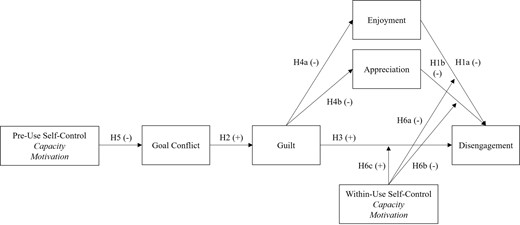
Too amused to stop? Self-control and the disengagement process on Netflix
Abstract. Consuming media entertainment often challenges recipients’ self-control. While past research related self-control almost exclusively to whether i
Are We Having Too Much Fun?
In 1985, Neil Postman observed an America imprisoned by its own need for amusement. He was, it turns out, extremely prescient.


Do you believe that everybody should have fun or that only a few people should have fun?
Which side are you on?

Finding joy in the little things really can benefit your wellbeing – a scientist explains
Enjoying a cup of coffee or performing an act of kindness are some examples of the everyday ‘micro-joys’ that can boost your wellbeing.

Erlend Sogge Heggen (@erlend.sh)
1. solitude: single-player game loop 2. bottomlessness: infinite scroll 3. speed: instant delivery/gratification 4. teasing: generally satisfactory, never perfect; “maybe the next one is exactly what I want” ↘️ quoting NPR (@npr.org): Taken together, these four features can create a trancelike state that can keep us stuck on social media apps or video games for hours. Children are particularly vulnerable. n.pr/4mH6i6s
Illegal, Immoral, and Mood-Altering
How Facebook and OkCupid Broke the Law When They Experimented on Users

Human–Animal Interaction and Human Prosociality: A Meta-Analytic Review of Experimental and Correlational Studies
Pet ownership and interactions with animals confer various physiological and psychological benefits to humans. Although interactions with animals are commonplace, there is no consensus in the liter...
Three ways boredom can actually be a benefit
A little boredom can be good for you.

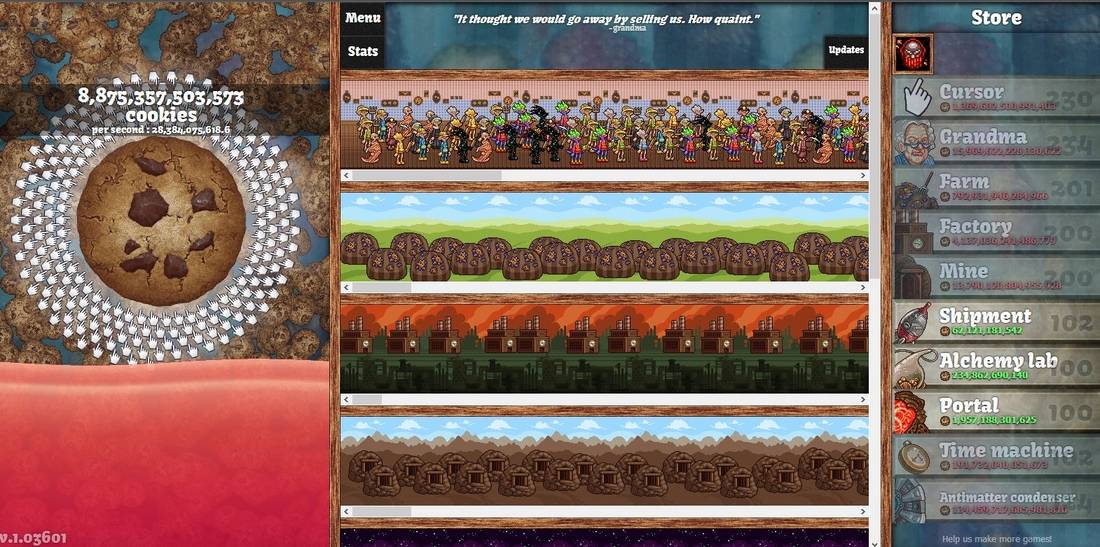
The cult of the cookie clicker: When is a game not a game?
There's a growing obsession online with cookies, imaginary chocolate chip cookies.
Play is doing its work even if we’re not keeping score | Aeon Essays
We are most human when we play freely, imaginatively, pointlessly. Gamification risks atrophying that most precious capacity

How to Gamify Wellness Without Missing the Point | Built In
SuperBetter designed a game to support healthy real-world habits. Here’s how its designers combine UX with behavioral science.

Almost anything you give sustained attention to will begin to loop on itself and bloom
When people talk about the value of paying attention and slowing down, they often make it sound prudish and monk-like. But we shouldn’t forget how interesting and overpoweringly pleasurable sustained attention can be.
I do think this is a kind of novel problem with our current media environment - Serious people aren't good at making content, they have other things to do, but content is what drives attention. Tastemakers used to highlight the serious people but they're gone, replaced by content creators.

