Heading into my late 40s and am perimenopausal, so my gp suggested a partial estrogen supplement (raloxifene). Because I was so desperate to…
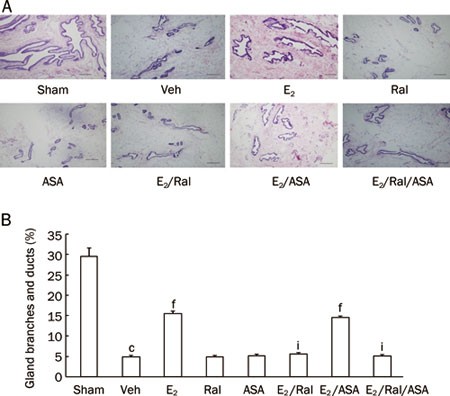
Combination of raloxifene, aspirin and estrogen as novel paradigm of hormone replacement therapy in rabbit model of menopause
To assess a novel hormone replacement therapy (HRT) paradigm using raloxifene, aspirin combined with estrogen in rabbit model of menopause.
When Women Initiate Estrogen Therapy Matters | The Menopause Society
New large-scale analysis shows potential long-term benefits of initiating hormones during perimenopause

E + Raloxifene 5 week update
20 votes, 13 comments. 135K subscribers in the TransDIY community. Questions and resources related to Hormone Replacement Therapy (HRT), for…
Transfemme nonbinary hormone therapy
Things started working when I was able to talk to a provider who had some experience with SERMs. They acknowledged that spironolactone wasn’t working for me, and prescribed leuprolide injections. They also said they had no experience with raloxifene, but had used tamoxifen, a different SERM, in a previous patient. This turned out to be a lucky coincidence for me, because on tamoxifen, I definitely did notice some estrogenic effects, but not in my breasts.
Raloxifene Treatment Is Associated With Increased Serum Estradiol and Decreased Bone Remodeling in Healthy Middle-Aged Men With Low Sex Hormone Levels
Abstract In healthy middle-aged men, raloxifene treatment was associated with increased serum estradiol and decreased biochemical markers of bone turnover in subjects with estradiol levels below a threshold of 101.8 pM. Introduction: We investigated the effects of the selective estrogen receptor modulator raloxifene on bone remodeling in healthy middle-aged men. Materials and Methods: Forty-three healthy eugonadal men (mean age, 56 years; range, 49-70 years) were enrolled in a randomized placebo-controlled, double-blind, two-sequence crossover study. The subjects received either raloxifene 120 mg/day or placebo for 6 weeks, followed by a 2-month washout period, before crossing over. To predict changes of urinary total deoxypyridinoline/creatinine on raloxifene treatment, we used a logistic regression model to determine cut-off values of sex hormones for highest sensitivity and specificity. Results: In the whole group, raloxifene treatment was associated with an increase in serum sex hormones, that is, total testosterone (+13%, p < 0.01), bioavailable testosterone (+11%, p = 0.02), total estradiol (+11%, p < 0.002), and bioavailable estradiol (+11%, p = 0.035), and with a decrease in serum osteocalcin (−13%, p < 0.05) and serum total alkaline phosphatase (−6%, p < 0.05). Other biochemical markers of bone turnover remained unchanged. Using a logistic regression model to predict changes in urinary deoxypyridoline, we calculated thresholds for total (101.8 pM) and bioavailable (4.79 pM) estradiol, as well as for total (19.4 nM) and bioavailable (0.35 nM) testosterone. Raloxifene treatment was associated with an increase in serum estradiol and decrease in biochemical markers of bone turnover in men with estradiol values below these estradiol thresholds, without any significant change in subjects with values above them. Similarly, raloxifene treatment was associated with an increase in serum testosterone and a decrease in biochemical markers of bone turnover in those with baseline testosterone values below the testosterone thresholds. The association between antiresorptive effects of raloxifene and low sex hormone levels was more pronounced for estradiol than for testosterone. Conclusions: The antiresorptive effect of raloxifene was only detectable in men with low baseline estradiol levels. Unlike in postmenopausal women, the increase of estradiol may contribute to the antiresorptive effect of raloxifene in men.

Translational Significance of Selective Estrogen Receptor Modulators in Psychiatric Disorders
Accumulating data from various clinical trial studies suggests that adjuvant therapy with ovarian hormones (estrogens) could be effective in reducing cognitive deficit and psychopathological symptoms in women with psychiatric disorders. However, estrogen therapy poses serious limitations and health issues including feminization in men and increased risks of thromboembolism, hot flashes, breast hyperplasia, and endometrium hyperplasia when used for longer duration in older women (aged ≥ 60 years) or in women who have genetic predispositions. On the other hand, selective estrogen receptor modulators (SERMs), which may (or may not) carry some risks of hot flashes, thromboembolism, breast hyperplasia, and endometrial hyperplasia, are generally devoid of feminization effect. In clinical trial studies, adjuvant therapy with tamoxifen, a triphenylethylene class of SERM, has been found to reduce the frequency of manic episodes in patients with bipolar disorder, whereas addition of raloxifene, a benzothiophene class of SERM, to regular doses of antipsychotic drugs has been found to reduce cognitive deficit and psychological symptoms in men and women with schizophrenia, including women with treatment refractory psychosis. These outcomes together with potent neurocognitive, neuroprotective, and cardiometabolic properties suggest that SERMs could be the potential targets for designing effective and safer therapies for psychiatric disorders.

raloxifene - QueerDoc • Trans Online Doctors Office - Curing LGBTQ+ Healthcare Discrimination
What If You Can’t Get Puberty Blockers? Puberty blockers (GnRH agonists; the most well-known option is “Lupron” or “leuprolide depot”)...

The 2022 hormone therapy position statement of The North American Menopause Society
Abstract “The 2022 Hormone Therapy Position Statement of The North American Menopause Society” (NAMS) updates “The 2017 Hormone Therapy Position Statement of The North American Menopause Society” and identifies future research needs. An Advisory Panel of clinicians and researchers expert in the field of women’s health and menopause was recruited by NAMS to review the 2017 Position Statement, evaluate new literature, assess the evidence, and reach consensus on recommendations, using the level of evidence to identify the strength of recommendations and the quality of the evidence. The Advisory Panel’s recommendations were reviewed and approved by the NAMS Board of Trustees. Hormone therapy remains the most effective treatment for vasomotor symptoms (VMS) and the genitourinary syndrome of menopause and has been shown to prevent bone loss and fracture. The risks of hormone therapy differ depending on type, dose, duration of use, route of administration, timing of initiation, and whether a progestogen is used. Treatment should be individualized using the best available evidence to maximize benefits and minimize risks, with periodic reevaluation of the benefits and risks of continuing therapy. For women aged younger than 60 years or who are within 10 years of menopause onset and have no contraindications, the benefit-risk ratio is favorable for treatment of bothersome VMS and prevention of bone loss. For women who initiate hormone therapy more than 10 years from menopause onset or who are aged older than 60 years, the benefit-risk ratio appears less favorable because of the greater absolute risks of coronary heart disease, stroke, venous thromboembolism, and dementia. Longer durations of therapy should be for documented indications such as persistent VMS, with shared decision-making and periodic reevaluation. For bothersome genitourinary syndrome of menopause symptoms not relieved with over-the-counter therapies in women without indications for use of systemic hormone therapy, low-dose vaginal estrogen therapy or other therapies (eg, vaginal dehydroepiandrosterone or oral ospemifene) are recommended.
Raloxifene
Raloxifene, sold under the brand name Evista among others, is a medication used to prevent and treat osteoporosis in postmenopausal women and those on glucocorticoids. For osteoporosis it is less preferred than bisphosphonates. It is also used to reduce the risk of breast cancer in those at high risk. It is taken by mouth.

Progesterone – Friend or foe?
Estradiol is the “prototypic” sex hormone of women. Yet, women have another sex hormone, which is often disregarded: Progesterone. The goal of this article is to provide a comprehensive review on progesterone, and its metabolite allopregnanolone, emphasizing three key areas: biological properties, main functions, and effects on mood in women. Recent years of intensive research on progesterone and allopregnanolone have paved the way for new treatment of postpartum depression. However, treatment for premenstrual syndrome and premenstrual dysphoric disorder as well as contraception that women can use without risking mental health problems are still needed. As far as progesterone is concerned, we might be dealing with a two-edged sword: while its metabolite allopregnanolone has been proven useful for treatment of PPD, it may trigger negative symptoms in women with PMS and PMDD. Overall, our current knowledge on the beneficial and harmful effects of progesterone is limited and further research is imperative.
Effects of raloxifene on body fat distribution and lipid profile in healthy post-menopausal women
The aim of our prospective, randomised, controlled and open-label clinical study was to evaluate in healthy post-menopausal women the effects of raloxifene (RLX) on body fat distribution and lipids, and the correlations between these parameters. The fat distribution, by dual energy X-ray absorptiometry, and lipids were evaluated at baseline and after 1 yr in 50 postmenopausal women: 25 were treated with RLX 60 mg/die, while 25 served as control group (CG). After 1 yr, we observed in RLX-users a slight reduction of fat mass in trunk and central region and an increase in legs and, in relation to CG, significantly lower values of adiposity in trunk and abdominal region (p<0.05). At the same time, HDL-cholesterol (HDL-C) and apolipoprotein A1 (ApoA1) were significantly increased in relation to baseline values and CG (p<0.05) and apolipoprotein B (ApoB), total cholesterol/HDL-C, LDL cholesterol/HDL-C, and ApoB/ApoA1 ratios significantly decreased compared to baseline values and CG (p<0.05). No correlation was underlined among lipids and regional fat distribution. These results highlight the positive effect of RLX on lipids and suggest, for the first time, that RLX promotes the shift from android to gynoid fat distribution, and prevents the uptrend of abdominal adiposity and body weight compared with untreated women.

Progesterone Is Important for Transgender Women’s Therapy—Applying Evidence for the Benefits of Progesterone in Ciswomen
Current transgender women’s therapy is estradiol/antiandrogen. I suggest adding progesterone, given its antiandrogen, breast-feminizing, bone-formation, sl
Microdosing Estrogen
Learn about microdosing estrogen regimens and their effects from a quick guide to feminizing hormone therapy.

Get Curvy With Estradiol: Risks, Benefits, and Timeline - QueerDoc • Trans Online Doctors Office - Curing LGBTQ+ Healthcare Discrimination
However, we can only do so with some big caveats: we’re big into informed consent and evidence-based medicine, and, unfortunately, most of the research we

Gender-affirming endocrine care for youth with a nonbinary gender identity
Nonbinary individuals, or those who identify outside of the traditional gender binary, are currently present in up to 9% of the general population of youth or up to 55% of gender-diverse youth. Despite the high numbers of nonbinary individuals, this population continues to experience barriers to healthcare due to providers’ inability to see beyond the transgender binary and lack of competence in providing nonbinary care. In this narrative review, we discuss using embodiment goals to individualize care of nonbinary individuals, and review hormonal and nonhormonal treatment options for gender affirmation. Hormonal treatments include those often used in binary transgender individuals, such as testosterone, estradiol, and anti-androgens, but with adjustments to dosing or timeline to best meet a nonbinary individual’s embodiment goals. Less commonly used medications such as selective estrogen receptor antagonists are also discussed. For nonhormonal options, alterations in gender expression such as chest binding, tucking and packing genitalia, and voice training may be beneficial, as well as gender-affirming surgeries. Many of these treatments lack research specific to nonbinary individuals and especially nonbinary youth, and future research is needed to ensure safety and efficacy of gender-affirming care in this population.

Why the Fear Around Hormone Therapy Won’t Die
Effective care in menopause starts with three fundamentals: