


216 votes, 102 comments. 1.1M subscribers in the homelab community. Welcome to your friendly /r/homelab, where techies and sysadmin from everywhere…
Forget about Nginx, I switched to this reverse proxy and it's even better
Traefik is perfect for containerized home labs.
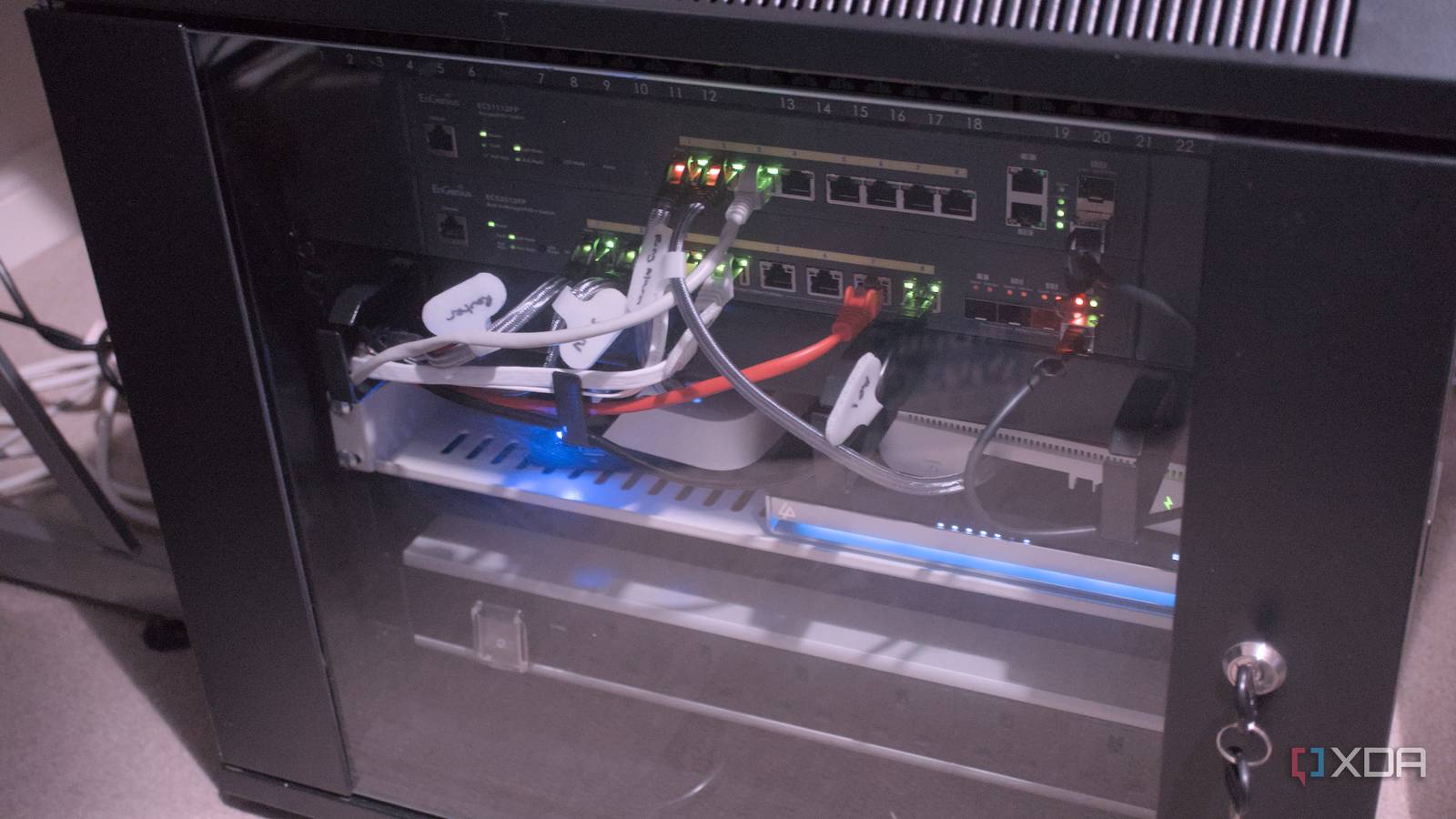
Self-Hosting on the Dark Web | David Álvarez Rosa
This site is now reachable over Tor as a hidden service, at a .onion address that resolves only inside the Tor network. Tor relays and encrypts your traffic as …

Tailscale’d Into Homelabbing
Having my own homelab was something I wanted to try for a long time. However, I just couldn’t get started. Mostly because I kept overthinking it. How will I handle dynamic IPs? Do I need something like a local DNS on my router for that? Even if I solve things inside the home, how am I supposed to access it remotely? Do I need port forwarding at the NAT layer? And what about TLS certificates, how do I even manage those without using a public certificate authority?

A newbie's guide to self-hosting with YunoHost
Here is a 5-part guide about how to get started self-hosting essential internet services with the YunoHost system

Holo Hosting — sovereign infrastructure for Holochain
Always-on Holochain nodes and HTTP gateways, run by independent operators. Dedicated hosting for distributed applications, without a hyperscaler dependency.
Lightning Talk: Securing Your Systems with Service Mesh - Tyler Schade, Solo.io
My declarative multi-machine homelab, explained | Bas Nijholt
Friends keep asking how my homelab works, so I wrote it all down, starting from zero. Four NixOS machines run about 150 containers behind one Traefik front door, and with WireGuard and my own Headscale server I reach my self-hosted services from anywhere over encrypted HTTPS connections, while strangers on the internet get nothing. The part I think is the coolest is the balance: everything is declarative and lives in git, but with as little machinery as possible.

End-to-end encrypted relays for OCapN — Spritely Institute
Creating a direct connection between any two computers (not just from client to server) over the internet is notoriously difficult. Many home networks are behind NATs which prevent new inbound connections. Sometimes these NATs are from the ISP (carrier-grade NATs) which are impossible to work around with port forwarding and/or UPnP. While hole punching techniques can break through NATs, it's far from guaranteed. Thus, we need something that works in the general case: relays.
I finally understand Cloudflare Zero Trust tunnels
Everything you wanted to know about using Cloudflare Zero Trust Argo tunnels for your personal network

How to Serve Local LLMs Anywhere: Secure Remote Access with Cloudflare and Unsloth | Unsloth Documentation
Unsloth is an open-source project that allows you to train and run LLMs locally and with Cloudflare tunnel, you can access Unsloth from your mobile device, share access to a friend or coworker, host Unsloth on a server such as Google Colab, AWS, or even a personal server.

Home
Ceptr is a platform for next-gen networking, providing a protocol for pluggable protocols, distributed data integrity on Holochains, and truly distributed application hosting

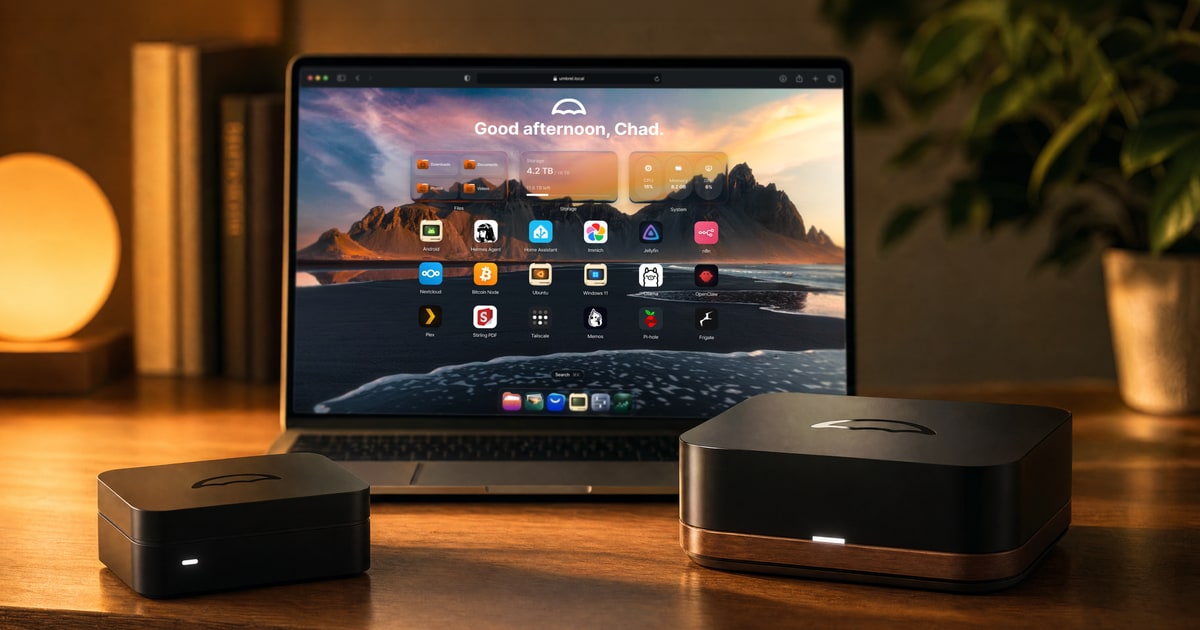
Umbrel - Personal home cloud and OS for self-hosting
Bring the cloud to your home with umbrelOS - a beautiful home server OS for self-hosting, and Umbrel Home and Umbrel Pro - plug-and-play home servers. Install Nextcloud, Jellyfin, Bitcoin node, and hundreds of self-hosted apps in one click.
tholian-network/stealth
:rocket: Stealth - Secure, Peer-to-Peer, Private and Automateable Web Browser/Scraper/Proxy

State of My Homelab 2025
An overview of my current homelab architecture, focusing on a transition from complex orchestration to a simplified Docker Compose-based setup.
