

356 votes, 29 comments. 1.7M subscribers in the privacy community. Privacy in the digital age (this is not a SECURITY subreddit, and PUBLIC data…
Privacy and human behavior in the age of information
This Review summarizes and draws connections between diverse streams of empirical research on privacy behavior. We use three themes to connect insights from social and behavioral sciences: people's uncertainty about the consequences of privacy-related behaviors and their own preferences over those consequences; the context-dependence of people's concern, or lack thereof, about privacy; and the degree to which privacy concerns are malleable—manipulable by commercial and governmental interests. Organizing our discussion by these themes, we offer observations concerning the role of public policy in the protection of privacy in the information age.
Facebook Data Privacy Scandal: A Cheat Sheet - TechRepublic
Read about the saga of Facebook's failures in ensuring privacy for user data, including how it relates to Cambridge Analytica, the GDPR, the Brexit campaign, and the 2016 US presidential election.
Deleteme – Secure your privacy, now!
Check your public info and online reputation — 100% FREE scan — no commitment required. Discover & Control Your Digital Footprint (DF)

Why Meta is retreating from encryption
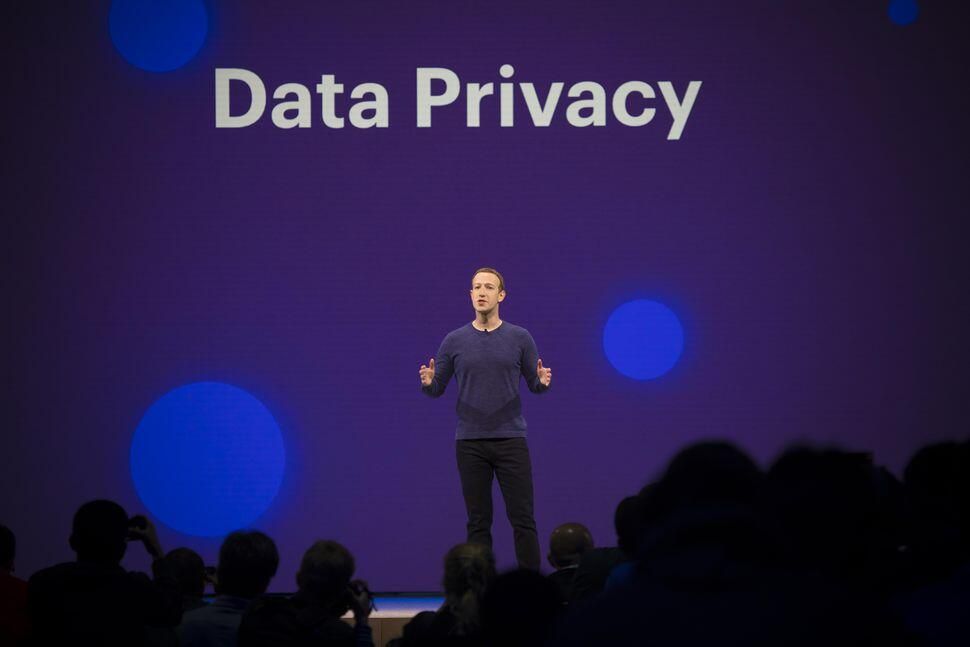
In 2019, Mark Zuckerberg called privacy the future of social networking. Not anymore
Customer Commons
We are planning to release more agreements as we approach the finalization of the IEEE P7012 Standard for Machine Readable Personal Privacy Terms . This initiative is currently has a demo #NoStalking, and we encourage your participation and feedback to help shape its development.

Hack of Age Verification Company Shows Privacy Danger of Social Media
We’ve said it before: online age verification is incompatible with privacy. Companies responsible for storing or processing sensitive documents like drivers’ licenses are likely to encounter data
How GDPR Will Change The Way You Develop — Smashing Magazine
GDPR requires you to be more thoughtful about the sites and services you build, more transparent about the ways you collect and use data, more considerate of your users, and more thorough in your development and documentation processes. In this article, Heather Burns will explore what you, as a developer, need to know about the new data protection regime. At the end, you’ll understand how the challenges posed by the privacy overhaul will ultimately help to make you a better developer.
How DigitalMarketer Activated 44% of Silent Community Members | Case Study
After a 5-day experiment, we activated 44% of previously silent members in our highly-active, private Facebook group. Find out how we did it in this case study.

Blue Skies Ahead: Social Media's Quiet User Revolution
In a digital landscape increasingly defined by user concerns over privacy and control, a quiet revolution is taking shape.

DigitalOcean deleted 4 years of my data 6 days before my billing date over a $25
23 votes, 27 comments. So I'm still in shock and need to share this so nobody else goes through it. I've been with DigitalOcean for years. My billing…
Caesar (@caesar.dev)
Heads up if you have an account on W Social: your private data does not stay inside the W'alled garden.


Anonymity, Pseudonymity, and Deliberation: Why Not Everything Should Be Connected
Click on the article title to read more.

Anonymity, Pseudonymity, and Deliberation: Why Not Everything Should Be Connected
Click on the article title to read more.
