

Restate is a lightweight runtime that lets developers build innately resilient distributed apps without the complexity tax.
Malleable software: Restoring user agency in a world of locked-down apps
The original promise of personal computing was a new kind of clay. Instead, we got appliances: built far away, sealed, unchangeable. In this essay, we envision malleable software: tools that users can reshape with minimal friction to suit their unique needs.

Durable Execution Solutions
Build invincible apps with Temporal's open source durable execution platform. Eliminate complexity and ship features faster. Talk to an expert today!
Composio
Just-in-time tool calls, secure delegated auth, sandboxed environments, and parallel execution across 1,000+ apps.
morluto/rea
Reverse engineer anything with agents, from app behavior down to native binaries.
Regenerative Software - The Phoenix Architecture
What is Malleable Software Now | Bryan Min (02-27-2026)
Restate raises $7M for its lightweight workflows-as-code platform | TechCrunch
When one of the co-creators of the popular open source stream-processing framework Apache Flink launches a new startup, it's worth paying attention.

Replit: Make an app for that
microcosm: atproto building blocks
Open-source atproto services and resilient community infrastruture to launch your next app
microcosm: atproto building blocks
Open-source atproto services and resilient community infrastruture to launch your next app
The Architecture Of Local-First Web Development — Smashing Magazine
An honest perspective on building local-first web apps in 2026, written for developers who’ve been doing this long enough to be skeptical of silver bullets.
Lazymorphic Apps: Bringing back the static web | &yet blog
The blog of &yet, a design and web software company that strengthens your customer relationships through creative technology.
FOSDEM 2025 - Goblins: The framework for your next project!
Building peer-to-peer decentralised applications remains difficult and error-prone. Most attempts at this either abandon collaborative features entirely or fall back on centralised architectures. The Spritely Institute is working on this challenge by creating (among other things) Goblins, a Guile framework that makes secure, fault-tolerant peer-to-peer applications accessible to developers. These tools are especially valuable for developers building secure collaborative applications that aim to foster healthy online communities. This talk walks you through Goblins’ most powerful features, including the actor model, object capability security, networking, time travel debugging, and persistence.

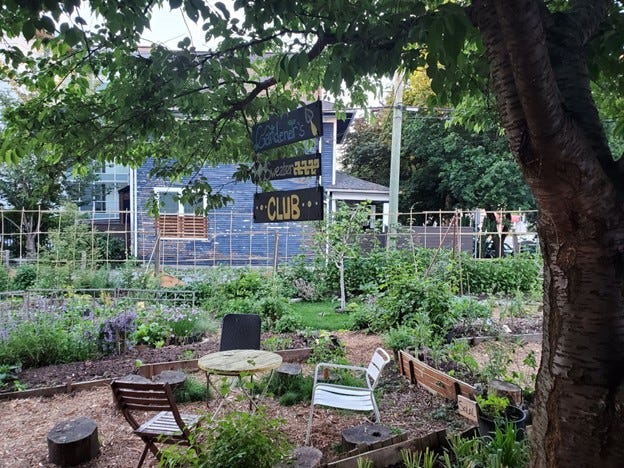
From Volunteer Gardening to Building Next-Gen Distributed Web Apps: My Journey to Holochain App…
A story about discovering community, a mind-warping internet paradigm and a global network of unconventional software engineers.
Steven Vandevelde (@tokono.ma)
Looks like what I've been building is quite similar to what the foundation of Patchwork-26 is. Lots of "tiny apps" (atomization of software, loosely coupled) + just the web. Local-first and where everything revolves around the content (data-first, can use preferred UI/view). Happy to see this! 🎉

Post-app computing

Imagining computing beyond siloed, rigid apps

Nobody Wants Your Damn App

Golems, smart objects, and the file metaphor
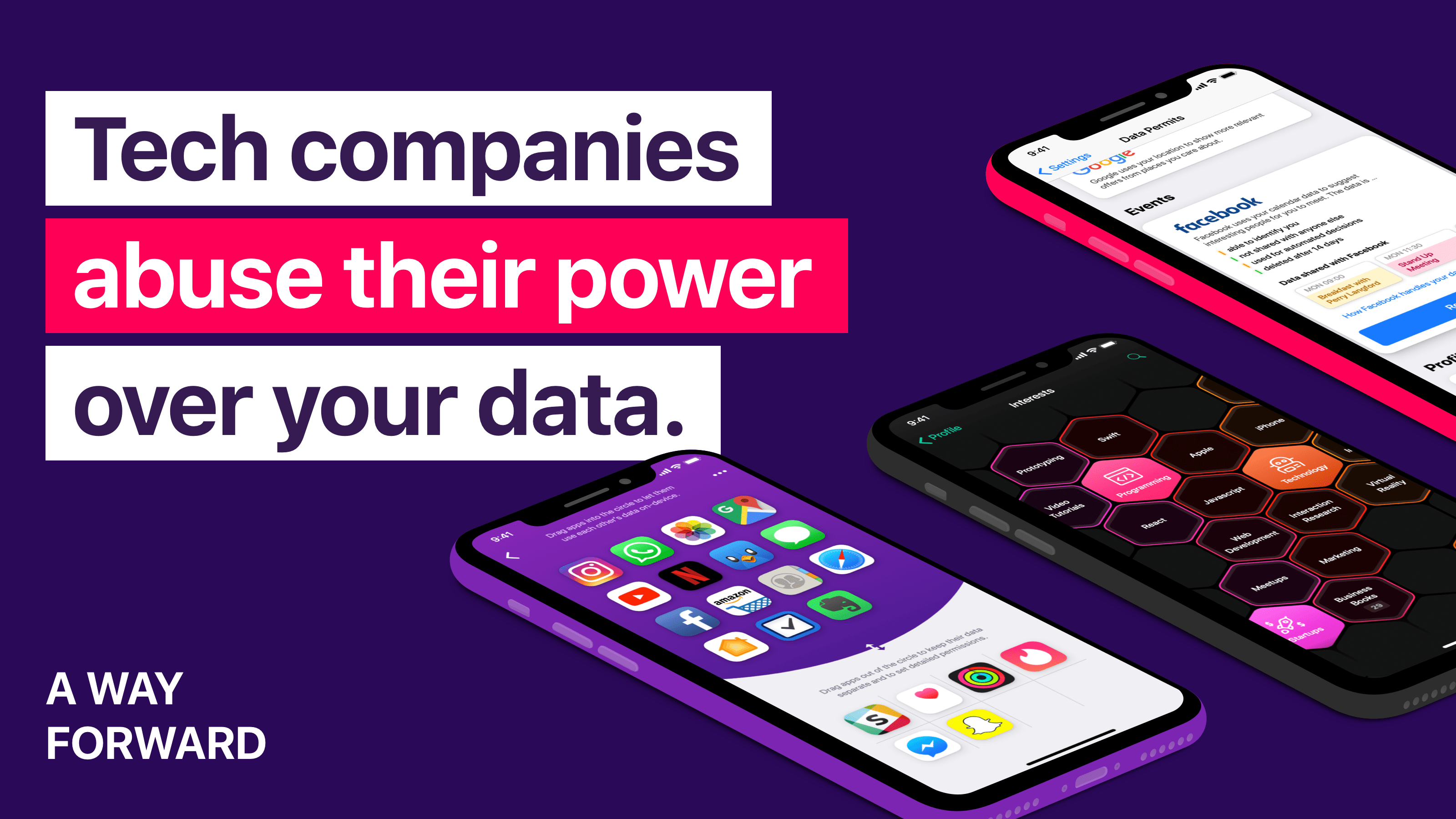
Rethinking how technology uses our personal data
User-tailorable systems: pressing the issues with buttons
everest-pipkin.com

Wesley Finck (@wesleyfinck.org)