


Taiwan, which has won global praise for its effective action against the coronavirus, is rolling out a mobile phone-based "electronic fence" that uses location-tracking to ensure people who are quarantined stay in their homes.
A Surveillance Net Blankets China’s Cities, Giving Police Vast Powers (Published 2019)
The authorities can scan your phones, track your face and find out when you leave your home. One of the world’s biggest spying networks is aimed at regular people, and nobody can stop it.

Haven is for people who need a way to protect their personal areas and possessions without compromising their privacy. It is an Android application that leverages on-device sensors to provide monitoring and protection of physical areas. Haven turns any Android phone into a motion, sound, vibration and light detector, watching for unexpected guests and unwanted intruders. We designed Haven for investigative journalists, human rights defenders and people at risk of forced disappearance to create a new kind of herd immunity. By combining the array of sensors found in any smartphone, with the world’s most secure communications technologies, like Signal and Tor, Haven prevents the worst kind of people from silencing citizens without getting caught in the act.
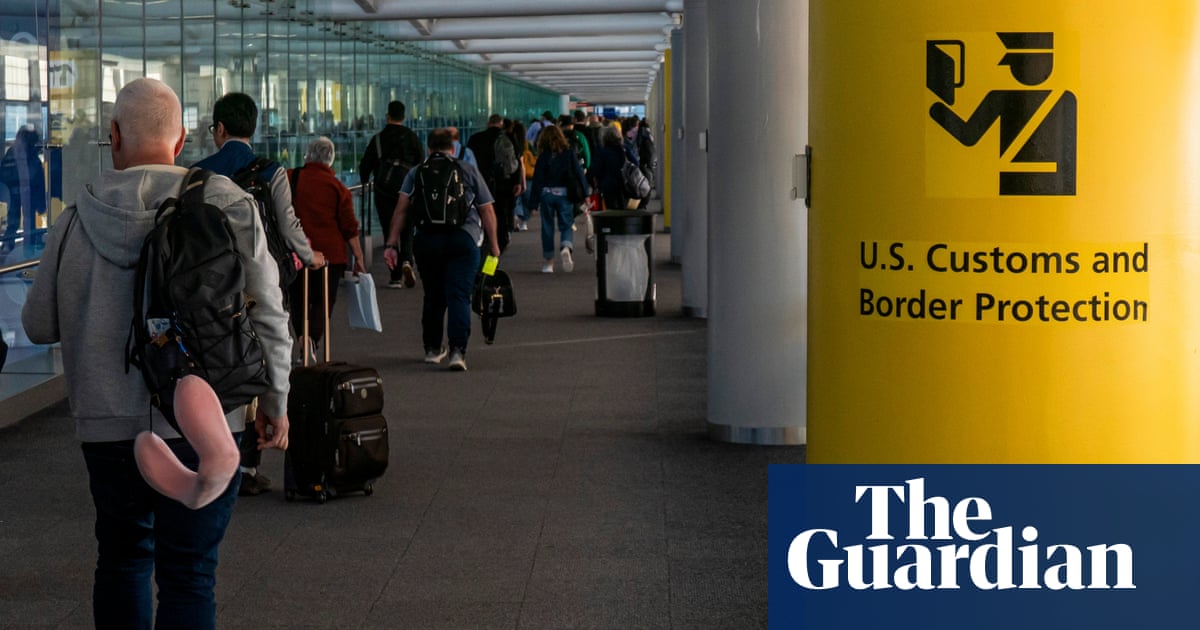
Crossing the U.S. Border? Here’s How to Protect Yourself
Searches of phones and other electronics are on the rise for those entering the U.S. Take these steps to help secure your devices.
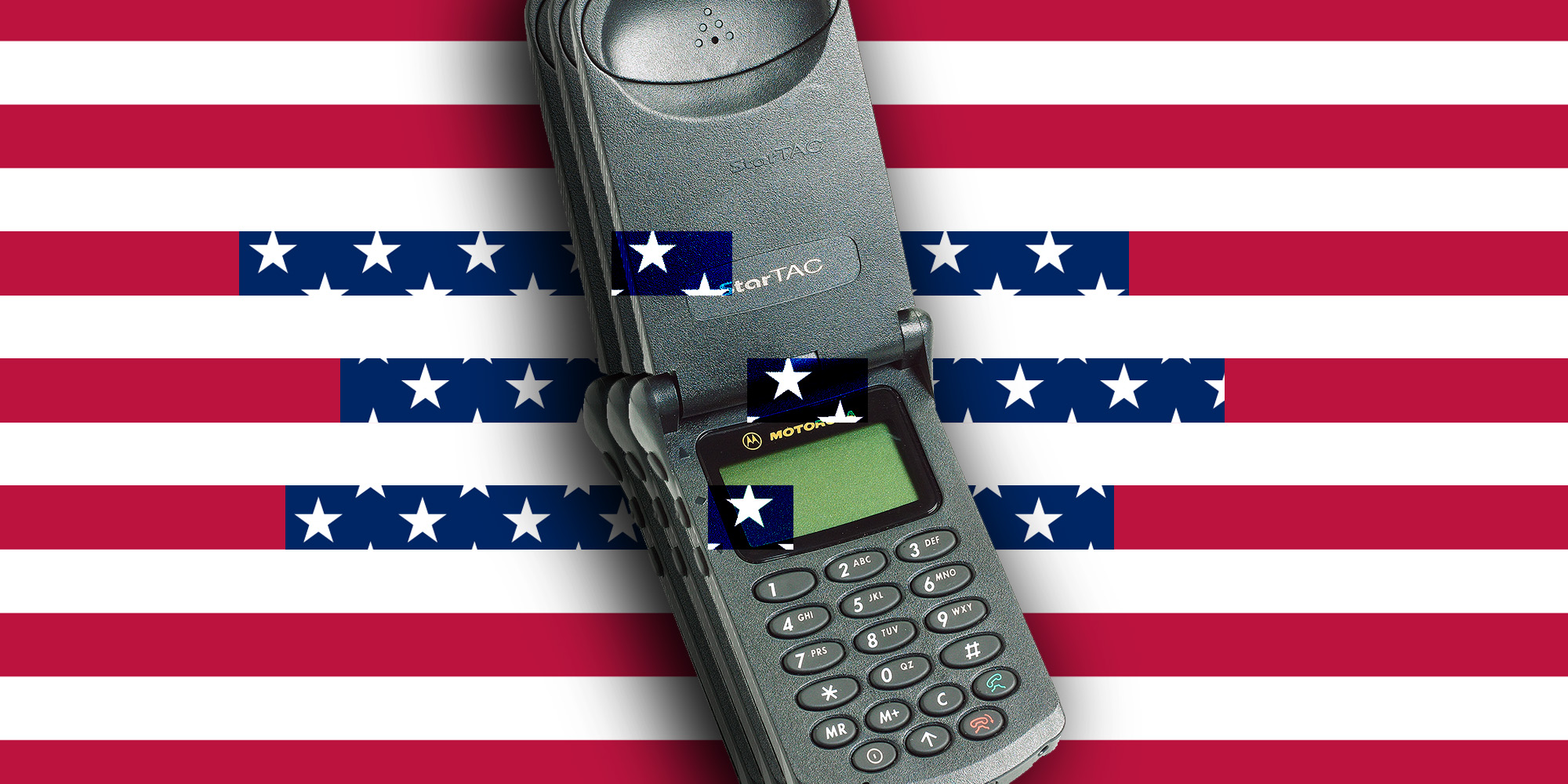
Opinion | The Internet of Way Too Many Things (Published 2015)
You may be able to get your phone to project bright colors if your window sensor detects a burglar, but what is protecting you from your phone?

Japan’s police to monitor ‘tokuryū’ use of confidential messaging apps
The method involves remote-controlling smartphones and other devices of high-ranking tokuryū members to access communication records and other information.

Archive: New COVID-19 ‘Citizen Science’ Initiative Lets Any Adult with a Smartphone Help to Fight Coronavirus
The online study would try to help researchers gain insight into how the virus is spreading and identify ways to predict and reduce the number of new infections.
Using safe-area-inset to build mobile-safe layouts | Polypane
Modern phones are not simple rectangles. They have rounded corners, camera cutouts, dynamic islands, and home indicators that double as gesture areas. Browsers…
Decentralizing My Smartphone With Single Purpose Devices
Lately, I’ve become nostalgic for the days before smartphones, when the internet was a place we went to deliberately, and not a place that lived on all of ou...

How to protect your phone and data privacy at the US border
With reports of people being turned away at airports over messages found on devices, here’s what to do to minimize risks
SnoopSnitch - Apps on Google Play
Show missing security patches. Find mobile abuse (IMSI catchers & stealth SMS).

A new US phone network for Christians aims to block porn and gender-related content
Launching next week on T-Mobile's network, the cell plan takes a nuclear approach to online safety.

Japan police panel urges remote phone analysis to fight anonymous crime groups
TOKYO -- A Japan police advisory panel has proposed the early introduction of remote analysis of smartphones used by anonymous, fluid crime groups, de

The Creepy New Wave of the Internet
As human behavior is tracked and merchandized on a massive scale, the Internet of Things creates the perfect conditions to bolster and expand the surveillance state.

I Decompiled the White House's New App
The official White House Android app has a cookie/paywall bypass injector, tracks your GPS every 4.5 minutes, and loads JavaScript from some guy's GitHub Pages.
The dawn of trustworthy computing
When we currently use a smart phone or a laptop on a cell network or the Internet, the other end of these interactions typically run on othe...
How to prepare your mobile phone for the Russian border: Meduza’s complete survival guide — Meduza
A growing number of Russians living overseas who return to the country temporarily are reporting psychological pressure and mobile-phone searches at the Russian border. These inspections can result in consequences far more severe than travel delays, including criminal charges and incarceration. Understanding your personal risk and exactly how to prepare your devices for the trip can be difficult, as the internet is full of fragmented and conflicting advice. Working with a lawyer and a cybersecurity expert, Meduza prepared this detailed guide answering the main questions on the topic. Is it true that FSB officers have a special machine that can find anything on a device? Do you have the right to refuse to unlock your phone, and is there any point in refusing? And what’s the most effective preparation strategy?