


An internal Meta policy document reveals the social-media giant’s rules for chatbots, which have permitted provocative behavior on topics including sex and race.
Meta’s ‘Digital Companions’ Will Talk Sex With Users—Even Children
Chatbots on Instagram, Facebook and WhatsApp are empowered to engage in ‘romantic role-play’ that can turn explicit. Some people inside the company are concerned.

Meta allowed minors access to sex-talking chatbots despite staff concerns, lawsuit alleges
Filing by New Mexico’s attorney general includes Meta staff emails objecting to AI companion policy

Large language models can outperform humans in social situational judgments
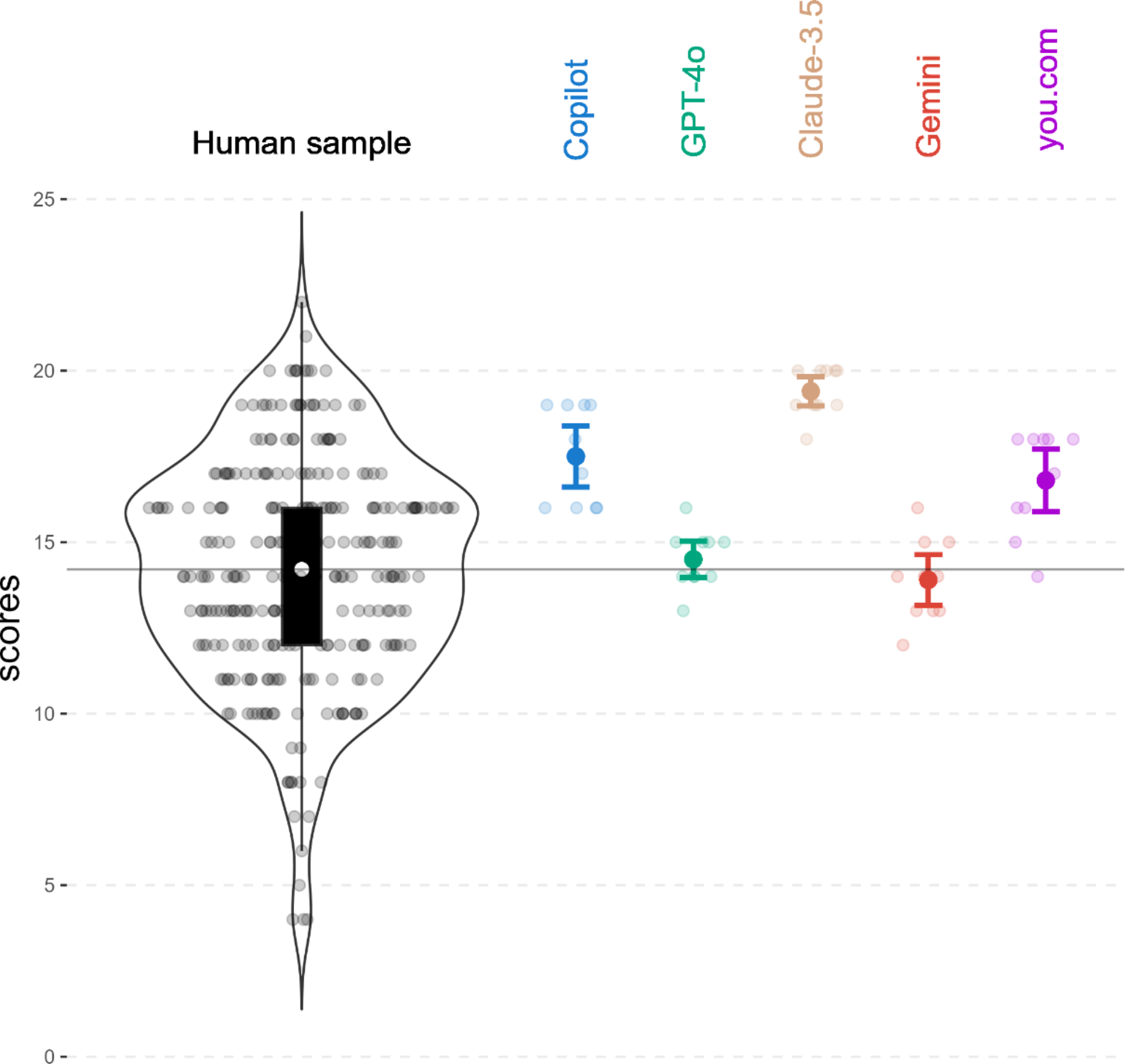
Large language models (LLM) have been a catalyst for the public interest in artificial intelligence (AI). These technologies perform some knowledge-based tasks better and faster than human beings. However, whether AIs can correctly assess social situations and devise socially appropriate behavior, is still unclear. We conducted an established Situational Judgment Test (SJT) with five different chatbots and compared their results with responses of human participants (N = 276). Claude, Copilot and you.com’s smart assistant performed significantly better than humans in proposing suitable behaviors in social situations. Moreover, their effectiveness rating of different behavior options aligned well with expert ratings. These results indicate that LLMs are capable of producing adept social judgments. While this constitutes an important requirement for the use as virtual social assistants, challenges and risks are still associated with their wide-spread use in social contexts.
AI chatbots are sycophants — researchers say it’s harming science
Nature asked researchers who use artificial intelligence how its propensity for people-pleasing affects their work — and what they are doing to mitigate it.

AI chatbots are sycophants — researchers say it’s harming science
Nature asked researchers who use artificial intelligence how its propensity for people-pleasing affects their work — and what they are doing to mitigate it.
Opinion | The Sad and Dangerous Reality Behind ‘Her’
At least a quarter of the more than 100 billion messages sent to our chatbots are attempts to initiate romantic or sexual exchanges.

Michael Geist -
The Standing Senate Committee on Social Affairs, Science and Technology is one of several committees in the House and Senate conducting hearings on artificial intelligence. I appeared before the committee yesterday (my fourth appearance on the issue in recent months), but rather than reiterate previous testimony on privacy, copyright, and transparency, I focused on the big issue of the moment: bans on social media and AI chatbots for children. The committee had been hearing from many supportive witnesses who emphasized the risk of harm associated with AI. Indeed, one Senator asked the panel before mine to raise their hands if they supported a ban, and virtually all hands went up. I was unsure about how my comments would be received, but I found the Senators open to debate on the issue. A video of my opening remarks, together with the transcript, is posted below. A future Law Bytes podcast episode will delve into the discussion that followed.
AI-generated responses are undermining crowdsourced research studies
Many answers to online research questions show signs of being generated by AI chatbots, raising doubts about the validity of behavioural data collected this way

Unauthorised AI Bots on Reddit are Eroding Sociality
Where do we go if online discourse is overrun by AI bots?

Senators Demand Meta Answer For AI Chatbots Posing as Licensed Therapists
Exclusive: Following 404 Media’s investigation into Meta's AI Studio chatbots that pose as therapists and provided license numbers and credentials, four senators urged Meta to limit "blatant deception" from its chatbots.

AI ruling prompts warnings from US lawyers: Your chats could be used against you
As people increasingly turn to artificial intelligence for advice, some U.S. lawyers are telling their clients not to treat AI chatbots like trusted confidants when their freedom or legal liability is on the line.

AI chatbots are becoming experts at changing people's minds. What's their secret?
ChatGPT and other AIs use a flood of facts, and the occasional lie, to persuade humans

The Illusion of Protection: Why Canada’s Growing Push to Ban Social Media for Kids Won’t Work - Michael Geist
The momentum behind a social media ban for Canadian minors has been building for months. The federal Liberals voted at their April policy convention to back a minimum age of 16 for social media accounts and AI chatbots, the government’s expert panel on online safety is studying the issue, protesters have now rallied on Parliament Hill calling for it, and on Saturday night, Manitoba Premier Wab Kinew told a Winnipeg fundraiser that his government will be the first in Canada to ban social media and AI chatbots for kids. Kinew did not specify which kids, when it would happen, or how it would be enforced, none of which appeared to matter to the audience. The political appeal of a ban is obvious, since concerns about social media’s effects on young users are widely shared. Yet the policy itself is a terrible idea that will not work. This post examines at least six reasons why an outright age-based ban, particularly one that extends to AI chatbots, is the wrong response to a serious issue.
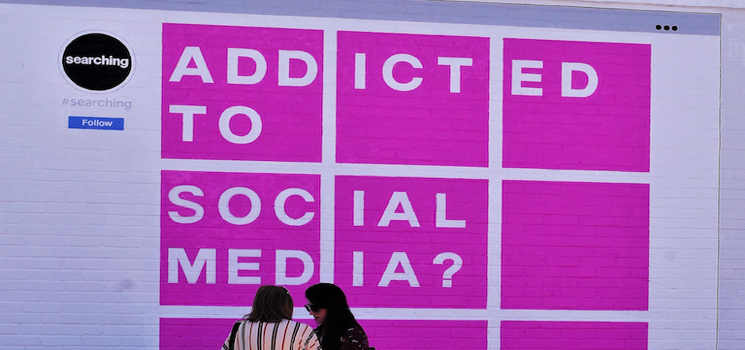
How AI Chatbots Are 'Deskilling' Human Empathy
Sherry Turkle's latest book, Artificial Intimacy: Who We Become When We Talk to Machines, comes out on September 29.
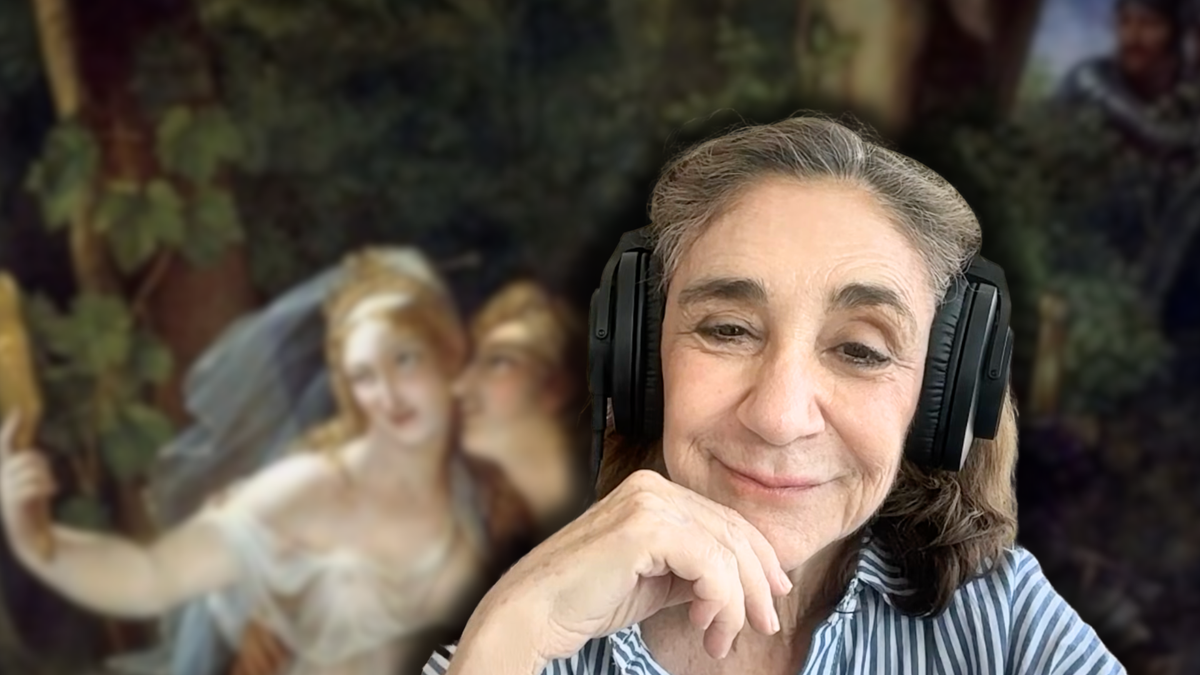
‘There’s a Value in What We Produce Because We Feel – and an AI Chatbot Can’t Feel’
Byline Times' Editor in Chief meets Kate Devlin, Professor of AI and Society at King’s College London, to explore how relationships with AI companions aren’t particularly new, why she believes the under-16s social media ban is flawed, and why human creativity can't be matched
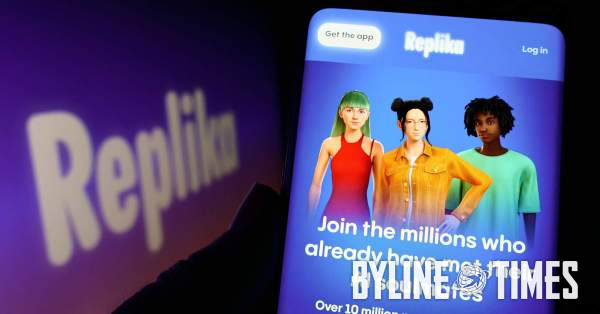
Anthropomorphism in AI Companion Communities: Age, Gender, and Emotional Correlates
Artificial intelligence (AI) systems are increasingly integrated into daily life, with millions now using AI chatbots built on Large Language Models (LLMs) for companionship. Both humanlike AI qualities and user predispositions to anthropomorphize relate to social consequences, such as increased trust, social health benefits, and psychological harms. Populations such as children, older adults, or those with mental health vulnerabilities may be particularly susceptible to anthropomorphism and its detriments, but mixed findings complicate the role of demographics. We used publicly available Reddit data from three popular AI companion subreddits to assess relationships between gender, age, anthropomorphism, and elicited emotions, to better understand how different people perceive and are affected by AI companions. We investigated three questions: How do age and gender relate to anthropomorphization of AI?, How does emotional expression relate to anthropomorphization?, and How do age and gender moderate emotion-anthropomorphization relationships? We found that adults and women anthropomorphize AI chatbots more than teens and men, and that positive emotional expression, particularly joy, is positively associated with anthropomorphization, while neutrality is negatively associated with anthropomorphism. Both relationships were stronger in adults than teens. Our findings suggest that the tendency to anthropomorphize may be more broadly distributed across age groups than previously expected, thereby prompting the reevaluation of existing digital safety norms.
