

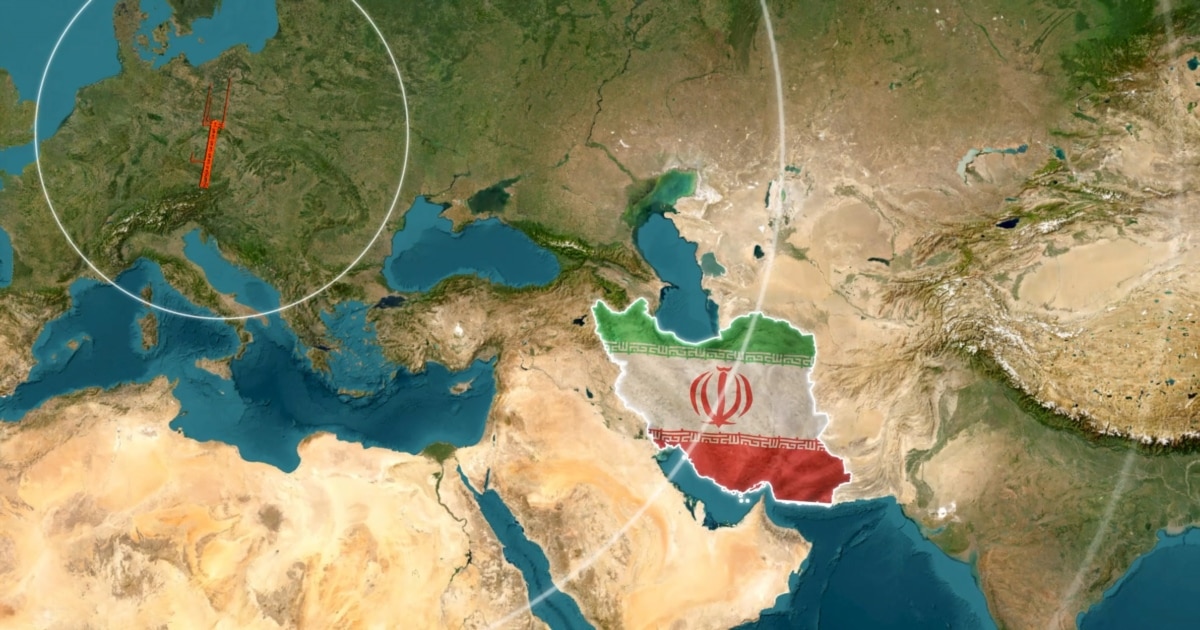
The mysterious Persian-language transmission began about 12 hours after the start of the US-Israeli bombing campaign against Iran. It was jammed five days later. Is it a coded message for US agents in Iran? Iranian sleeper cells? Israeli operatives? That’s what experts are trying to decipher.
Exclusive: US military had close call after using AI for false intelligence report, sources say | CNN Politics
The episode shows the risks of using this new, relatively poorly understood technology in the middle of the Iran war

The Signal Code: A Human Rights Approach to Information During Crisis | Harvard Humanitarian Initiative
The Signal Code is the result of a six month study by the Signal Program on Human Security and Technology at the Harvard Humanitarian Initiative (HHI) at the Harvard T.H. Chan School of Public Health to identify what human rights people have to information during disasters. The Signal Code identifies five rights from multiple sources of international human rights and humanitarian law and standards that already exist and apply to humanitarian information activities (HIAs).
Israel-Iran conflict unleashes wave of AI disinformation
Fake AI videos relating to the conflict have gained over 100 million views online, BBC Verify finds.
Read the JD Vance Dossier
We’re publishing the supposed Iran-hacked document. Here’s why.
Pro-Iran hackers claim ‘sophisticated’ attack on Bluesky
A pro-Iran hacking group that has been relentlessly targeting American companies with DDoS attacks claims it disrupted Bluesky with what the social media site called a “sophisticated” attack that…

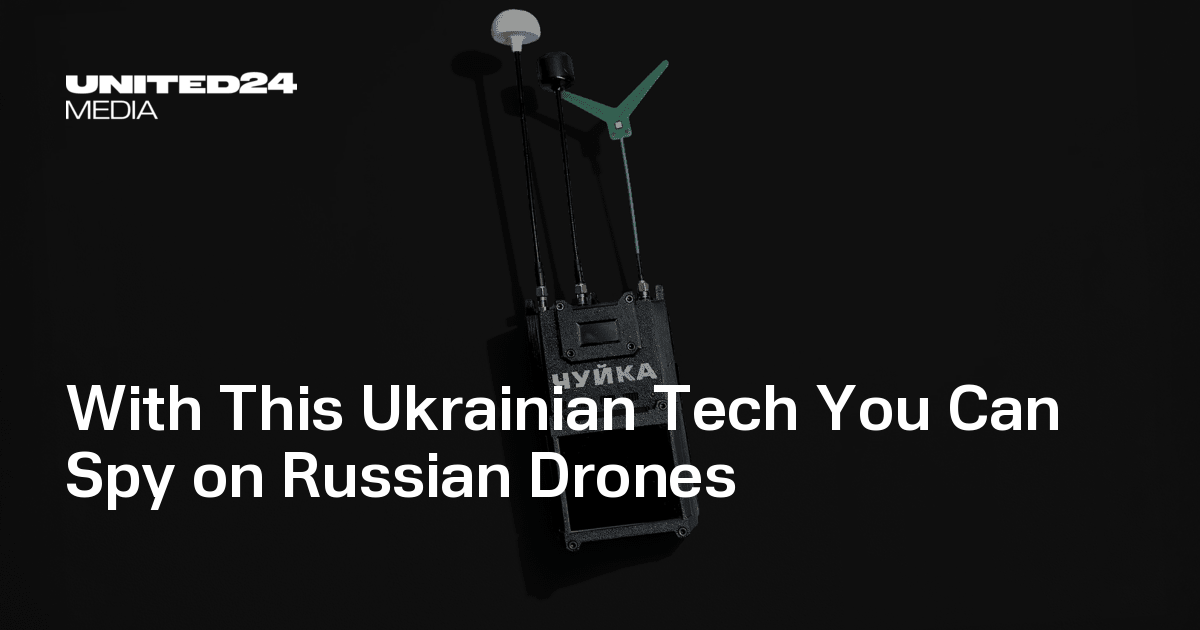
With This Ukrainian Tech You Can Spy on Russian Drones
Ukraine is using advanced, low-cost signal detectors like ZORKO and Chuika to intercept live FPV drone feeds, enhancing protection for troops.
How We Analyzed the Strike on the Iranian School | Visual Investigations
Iran: UN experts alarmed by renewed escalation of hostilities, call for accountability
GENEVA – UN experts* today expressed grave concern over reports of serious violations of international law arising from illegal military operations carried out by the United States and Israel in the Islamic Republic of Iran since 28 February 2026, as well as retaliatory Iranian strikes across the Gulf region against civilians and civilian infrastructure, including civilian shipping.

There Are Files Stored in This Video
Iran built a vast camera network to control dissent. Israel turned it into a targeting tool
Israel’s use of Tehran street cameras to help kill Iran’s supreme leader shows how everyday surveillance can turn into a wartime weapon.
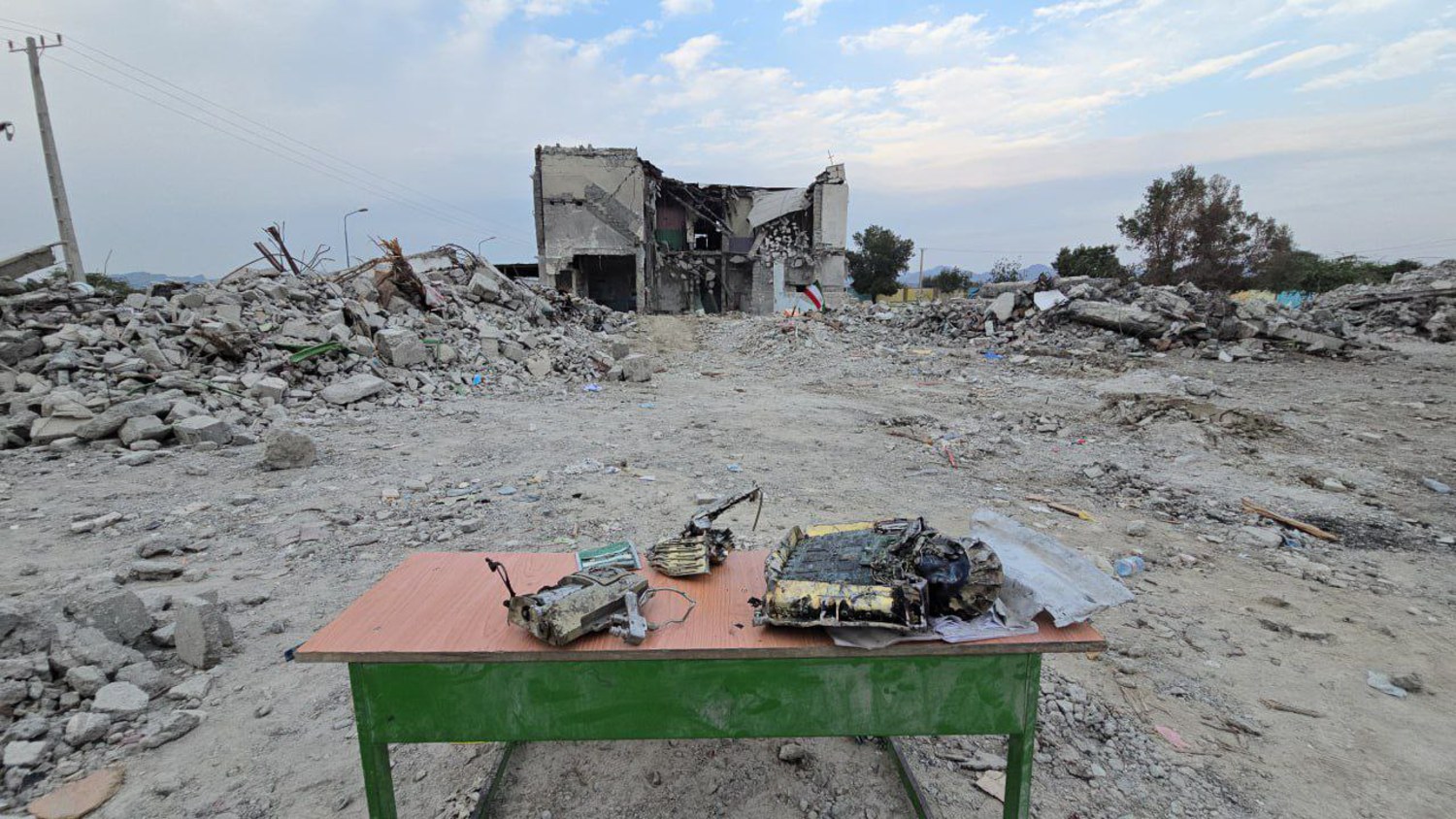
Fragments of U.S.-Made Missile Seen in Photos Taken by Iran Near Deadly School Strike
Iranian state media posted mangled remnants it claims were from the Feb. 28 attack in Minab. An analysis shows they have the markings of a missile made by American manufacturers

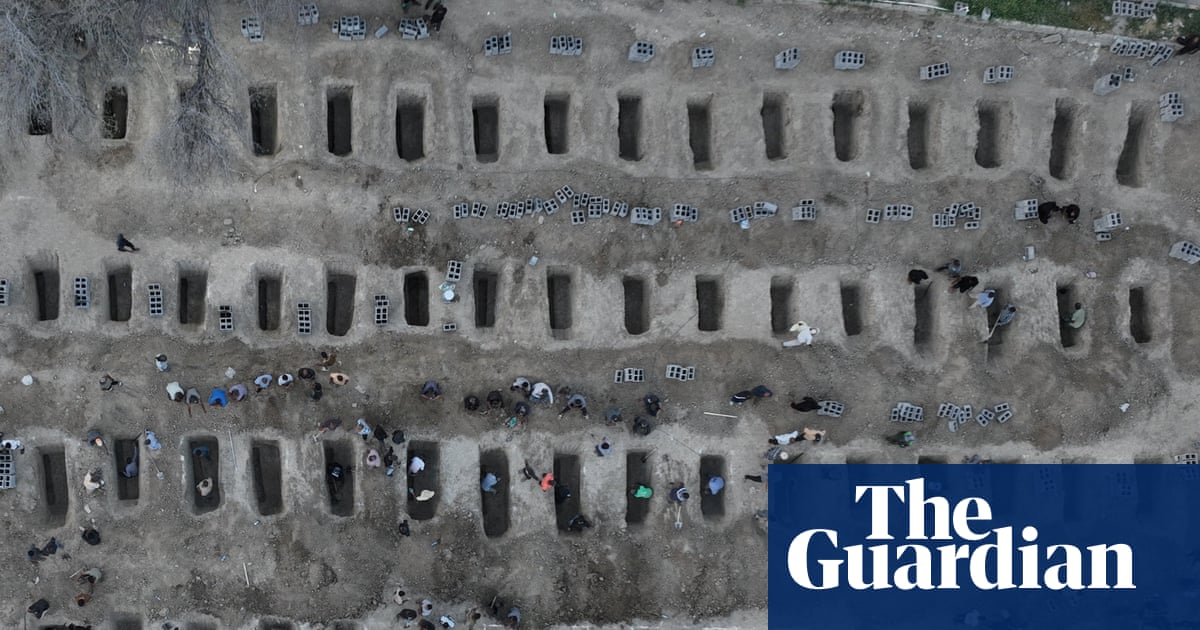
A photo of Iran’s bombed schoolgirl graveyard went viral. Why did AI say it wasn’t real?
Numerous faked images and a string of startlingly inaccurate responses from Gemini and Grok are part of a tidal wave of AI slop engulfing coverage of the Iran war
Images taken near Iranian school hit in deadly strikes show fragments of U.S.-made missile
NBC News couldn’t independently verify where the fragments were found or when. Munitions experts said they appeared to be components of an American cruise missile.
Open Letter: Communications Infrastructure Is Not Terrorism

Two Waves of Bombing: New Videos Reveal Further Details About Iran School Strike - bellingcat
Analysis suggests there were at least two waves of strikes carried out in the area around the IRGC complex and adjacent girls' school.

Press Release · Keep the Internet free
On August 26, 2026, the U.S. Department of the Treasury, through OFAC (Office of Foreign Assets Control – the authority responsible for managing and enforcing economic and financial sanctions) sanctioned Autistici/Inventati (A/I), an Italian collective that has been providing digital infrastructure – email, hosting, mailing lists, chat, videoconferencing, streaming, and services related to privacy and anonymity – to movements and activists since 2001. Washington designated it as a Specially Designated Global Terrorist (SDGT), alleging that it has provided financial, material or technological support to terrorism and to organizations already subjected to sanctions. A/I rejects the allegations and declares that its activities consist in providing tools for digital self-defence and infrastructure for the freedom of communication.