

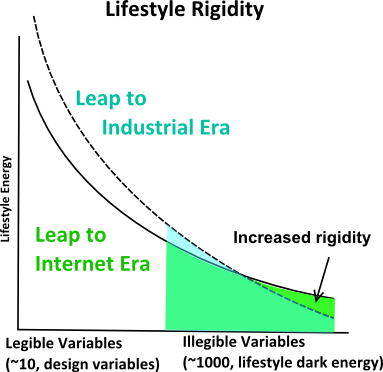
I've been wondering about why lifestyle design, outside of a few special cases like young, single Western men moving to Thailand, is proving to be so hard for…
Modern Fashion Designed With Purpose | Kenneth Cole
Find modern New York style designed with purpose for men and women. Shop Kenneth Cole shoes, clothing, bags, watches & accessories today!

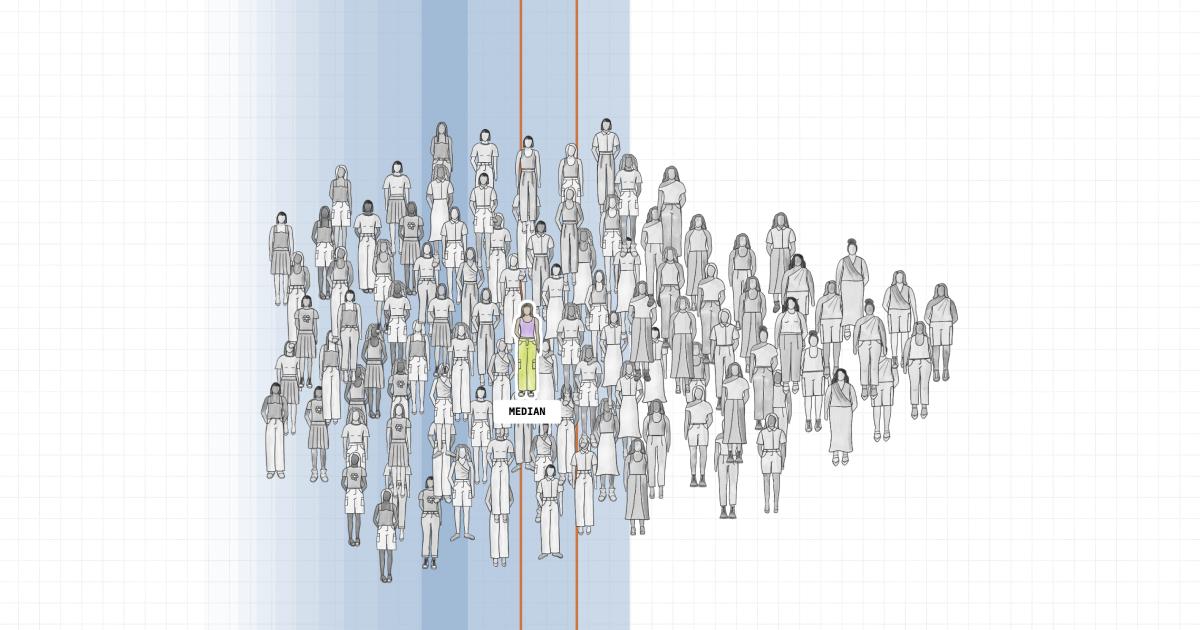
Sizing chaos
The inter-generational struggle to find clothes that fit more than a tiny portion of women
Japanese web design: weird, but it works. Here's why
The real reason why Asians are less self-centered than Westerners: Rice
For a long time, one of the chief differences between Western and Asian societies has been chalked up to a simple theory of modernization. Social psychologists have held that as countries modernize, people grow more analytical and individualistic, while less developed nations remain more collectivist—a hallmark of many East Asian cultures.

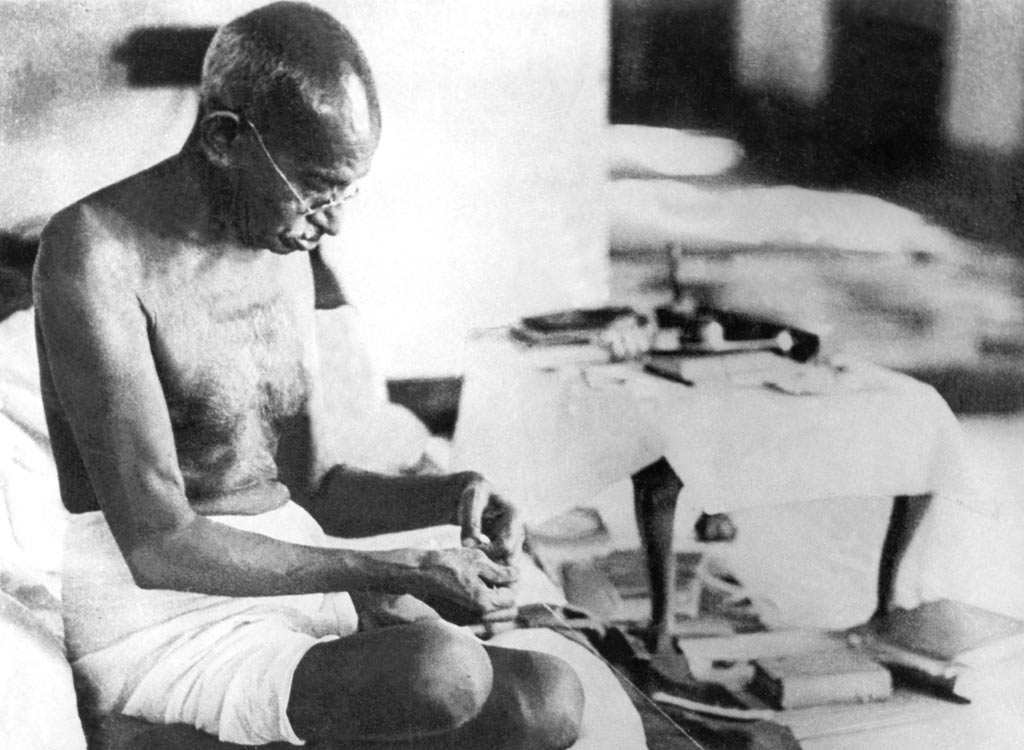
Simple living
Simple living refers to practices that promote simplicity in one's lifestyle. Common practices of simple living include reducing the number of possessions one owns, depending less on technology and services, and spending less money. In addition to such external changes, simple living also reflects a person's mindset and values. Simple living practices can be seen in history, religion, art, and economics.
From cultures to aesthetics between Asian and Western UX design
Since I moved to Europe from Asia and used to work for European company from Asia. I feel like I have to discuss the topic of design aesthetics, cultural influences and user behaviours.

Differences Between Tight and Loose Cultures: A 33-Nation Study
The differences across cultures in the enforcement of conformity may reflect their specific histories. , With data from 33 nations, we illustrate the differences between cultures that are tight (have many strong norms and a low tolerance of deviant behavior) versus loose (have weak social norms and a high tolerance of deviant behavior). Tightness-looseness is part of a complex, loosely integrated multilevel system that comprises distal ecological and historical threats (e.g., high population density, resource scarcity, a history of territorial conflict, and disease and environmental threats), broad versus narrow socialization in societal institutions (e.g., autocracy, media regulations), the strength of everyday recurring situations, and micro-level psychological affordances (e.g., prevention self-guides, high regulatory strength, need for structure). This research advances knowledge that can foster cross-cultural understanding in a world of increasing global interdependence and has implications for modeling cultural change.
Why A Values Fit Matters More Than A Culture Fit | TechCrunch
Almost every company today screens potential hires for cultural fit. But what constitutes a company’s culture and how can you tell if a particular person fits into this particular mold?

How Ideas of Masculinity Might Affect a Country’s Well-Being
When manhood is an elusive, hard-earned status in a country, people there tend to be less happy and live shorter lives.

Reality has a surprising amount of detail
My dad emigrated from Colombia to North America when he was 18 looking looking for a better life. For my brother and I that meant a lot of standing outside in the cold. My dad’s preferred method of improving his lot was improving lots, and my brother and I were “voluntarily” recruited to help working on the buildings we owned.
What makes people flourish? A new survey of more than 200,000 people across 22 countries looks for global patterns and local differences
A global study seeks insights into what helps people feel happy, healthy and satisfied – and what holds them back.

Male-dominated subcultures and why they stay that way
Slutcon, high school debate, EAs, rationalists, and you, the person reading this.

Why young men and women are drifting apart
Diverging worldviews could affect politics, families and more

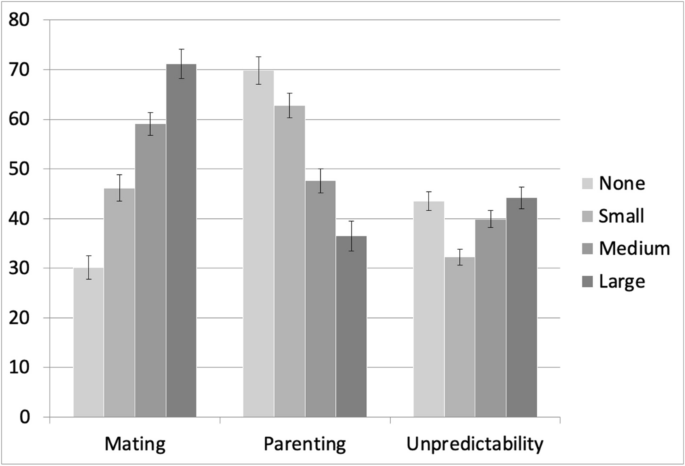
Advancing the Understanding of Phenotypic Mimicry in Men’s Conspicuous Consumption
Two studies advance the understanding of phenotypic mimicry in consumer products. Product features mimicking more prominent male secondary sexual characteristics are associated with men’s behavioral strategies which are higher in mating effort and lower in paternal investment in offspring, in parallel with reproductive strategies across species and within the human population. The first study demonstrated a continuous relationship between the sizes of luxury brand logos and perceptions of the owners’ life histories. Two partial replications reproduced Study 1 results. Study 2 demonstrated that a manipulation of coloration, another fundamental dimension of variation in secondary sex characteristics, generates a similar pattern of results. In both studies, men owning shirts with more prominent sensory characteristics were believed to use authority and intimidation as strategies for advancing social status, whereas men owning shirts with less showy characteristics were believed to demonstrate useful abilities and foster cooperative alliances. Participants also recognized the strategic use of luxury display properties across social contexts.
Why We Need to Challenge the Culture of Monogamy
Relationship norms are so pervasive, they've led to flawed science.

China’s dreamers and dropouts: ‘lying flat’ generation checks out in Dali
Cheap, remote and beautiful city attracts thousands of young people and Gen X-ers escaping economic treadmill
