


The technology sector has long been synonymous with innovation, but lags behind when it comes to diversity. Kirstine Dale, Met Office CAIO, explains why we need to get our house in order.
The Next Great Divergence: How AI could split the world again if we don’t intervene | Brookings
Michael Muthukrishna and Philip Schellekens argue that AI, like past general-purpose technologies, could drive a new global divergence unless deliberate action ensures its benefits are broadly shared rather than geographically concentrated.

technological diversity
Technological diversity is the opposite of technological monoculture. It refers to the diversity of artifacts (software and hardware) as well as that of ideas, philosophies, paradigms, techniques, languages, mental models, etc.
Why we need more Women in AI
In an age where artificial intelligence (AI) shapes much of our daily lives, the conversation about diversity in this field has taken on a…

Bridging the gap: inequalities that divide those who can and cannot create sustainable outcomes with AI
The widespread use of AI technologies impacts individuals, organisations, and societies in ways that warrant more comprehensive investigation. Inequalities in benefiting from AI advancements may le...

A Real Political Economy of Technology - The Ideas Letter
Two technological futures are competing for political and material priority: generative AI and the green transition. Benanav argues that while AI is marketed as a world-reordering breakthrough, its productivity gains…
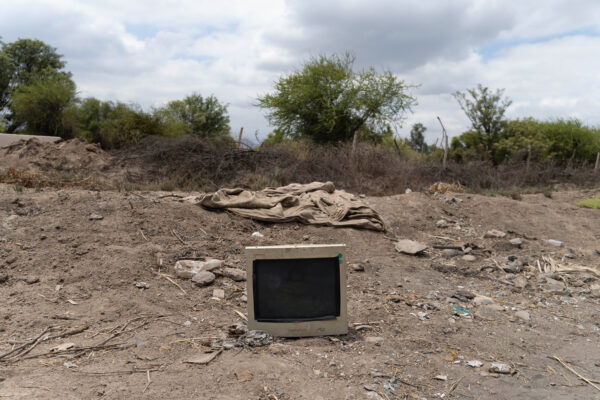
other futures: tech, resistance & imagining otherwise
big tech wants to control our future, but there are other paths we can choose instead. on "other futures" we bring together leading tech researchers, organizers, critics, and storytellers to help us imagine what more liberatory and human-centered tech futures could look like—and how we can build them together. brought to you by DAIR and the All Tomorrows Institute.
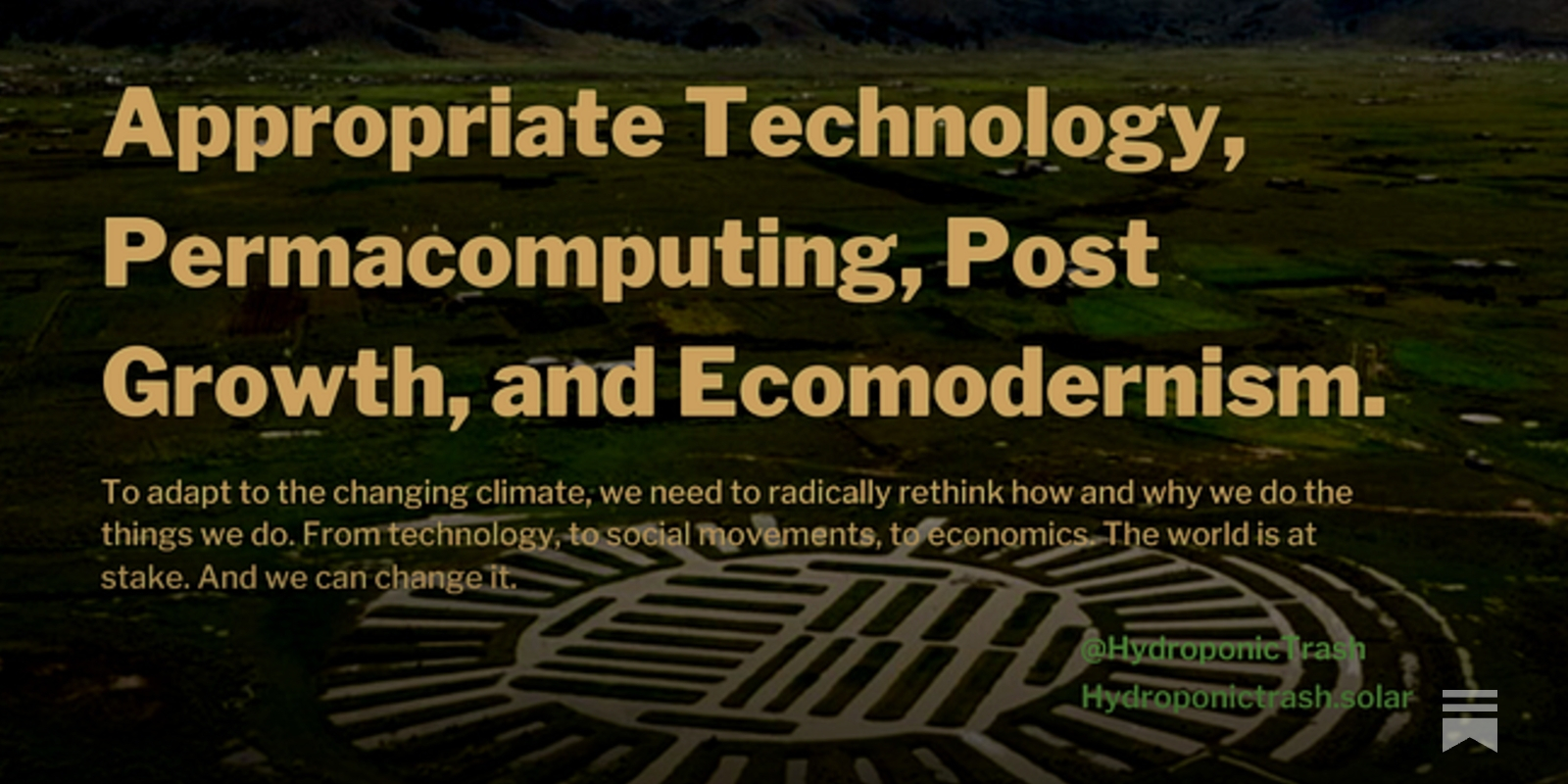
Appropriate Technology, Permacomputing, Post Growth, and Ecomodernism.
To adapt to the changing climate, we need to radically rethink how and why we do the things we do. From technology, to social movements, to economics. The world is at stake. And we can change it.
Ecology is not yet ready for AI—and why that matters
Ecology is not yet ready for AI—and why that matters

BBC Earth | Environment, Climate Change, AI, Food, Health, Social, & Technology
As we face the world’s greatest environmental challenges, BBC Earth brings you solutions in psychology, food, climate change, health, social trends, and technology that can make the world a more sustainable place.
BBC Earth | Environment, Climate Change, AI, Food, Health, Social, & Technology
As we face the world’s greatest environmental challenges, BBC Earth brings you solutions in psychology, food, climate change, health, social trends, and technology that can make the world a more sustainable place.
BBC Earth | Environment, Climate Change, AI, Food, Health, Social, & Technology
As we face the world’s greatest environmental challenges, BBC Earth brings you solutions in psychology, food, climate change, health, social trends, and technology that can make the world a more sustainable place.
Mapping out the tribes of climate
Climate is a gravity well for talent, but why don’t other, equally impactful topics attract talent in the same way? Why isn’t everyone dropping everything to work on homelessness, or global poverty, or curing cancer? With many peers in tech now working on climate issues, I tried to understand why this topic holds such purchase for so many people – and its incredible staying power over the decades.
Diversity, equity and inclusion
I'm in favour of diversity, equity and inclusion in open source communities, and here's why I think it matters.

Inside the AI Index: 12 Takeaways from the 2026 Report | Stanford HAI
The annual report reveals a field hitting breakthrough capabilities while raising urgent questions about environmental costs, transparency, and who benefits from the technology.
How to be a wise optimist about science and technology?
I believe the central problem of the 21st century is how civilization co-evolves with science and technology. As our understanding of the world deepens, it enables technologies that confer ever more power to both improve and damage the world. There's currently much public discussion of this in the context of artificial superintelligence (ASI). However, it's a fundamental recurring challenge, affecting areas including climate change, genetic engineering, nanotechnology, geoengineering, brain-computer interfaces, and many more. How can we best benefit from science and technology, while supplying safety sufficient to ensure a healthy, flourishing civilization?
Diversity in Open Source Is Even Worse Than in Tech Overall
The open source world's diversity problem could actually make the larger tech industry's entrenched imbalances worse.
