


Good development, huge challenge.
Just-In-Time PM #12: Just-In-Case to Just-In-Time - Forte Labs
In Part 11, I introduced the concept of a “critical path” of tasks in a project, and the rationale for pushing tasks as late as possible on the timeline. The late starts approach inspires a tremendous amount of resistance, especially from creative knowledge workers. It sounds an awful lot like taking control from individual employees, centralizing it in a central decision maker, and forcing people to finish everything at breakneck speed at the last minute.

How finishing what you start makes teams more productive and predictable
Hot takes and cold truths on software, startups, and the lies we tell ourselves.
Aspiration | Better Tools for a Better World
It's our 23rd Anniversary! Nonprofit staff, developers, capacity builders, and grassroots activists will convene at the 2026 Nonprofit Software Development Summit, 18-20 November, 2026, to share knowledge, build capacity, and collectively envision the future of free, open and equitable digital tools and practices to support social change efforts.
» Blade Runner The Digital Antiquarian
Blade Runner has set me thinking about the notion of a “critical consensus.” Why should we have such a thing at all, and why should it change over time?
How to build a roadmap in 3½ steps | HackerNoon
<em>When done right, the product roadmap reduces uncertainty about the future and keeps product teams focused on the highest priority product initiatives. But how to build it effectively?</em>

It's Time To Rethink Everything by @t3dotgg
Adopt and scale Team Topologies: platform-as-a-product, templates, more. — Team Topologies - Organizing for fast flow of value
Accelerate value with Team Topologies: measure cognitive load, define team boundaries, apply inverse Conway, readiness assessments, and more for fast delivery.

What Is Open Source Strategy? — Open Tech Strategies | Blog
There is a lot of documentation out there on how to do open source well at the project level. Historically, many projects have been started by developers, often on their own initiative, and the first non-technical questions they faced tended to be about project coordination (like "What collaboration tools shall we use?" or "What will our code review practices be?") and about community management (like "How do we decide who has commit access?" and "How do we integrate newcomers smoothly?"). Because developers hate to solve the same problems over and over, there is a wealth of detailed and varied material addressing those sorts of questions (we've even written some ourselves, but it's just a drop in the bucket of what's available). Taken together, this literature thoroughly answers the question "How do we execute the best tactics for developing open source software?"
Peter Wildeford🇺🇸🚀 on Twitter / X
Great to see @tristanharris talking on his podcast about recursive self-improvement. Here's how his guest, Tim Fist, puts it -- "Over the last few months we've had all three of the leading US AI labs say that having the option for a global slowdown or pause in AI development is… https://t.co/s5UURtkEjQ— Peter Wildeford🇺🇸🚀 (@peterwildeford) June 21, 2026
If you thought the speed of writing code was your problem - you have bigger problems | Debugging Leadership
AI coding tools are optimising the wrong thing and nobody wants to hear it. Writing code was already fast. The bottleneck is everything else: unclear requirements, review queues, terrified deploy cultures, and an org chart that needs six meetings to decide what colour the button should be.

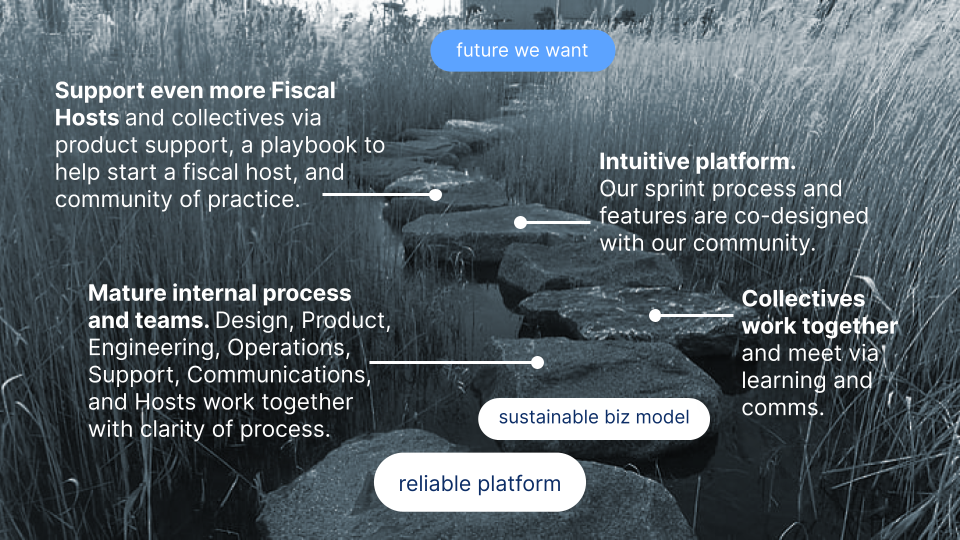
OC Inc. Strategy 2023-2024: Mature Platform + Connected Teams = Strong Foundations
The next two years are about maturing the OC Inc. platform and connecting our teams so that we can scale our impact in the years to come.
Design Sprints
A structured, time-boxed process for rapidly exploring problems, generating ideas, and validating solutions with real users.

10 More (Leadership!) Lessons from 10 Years Working in a Fully-Distributed and Remote Company
To make a distributed team work in the long-term it takes deliberate planning and thoughtfulness about your culture, leadership, strategic planning, and team-building.

How to create consistent development environments that just work | HackerNoon
I have worked as a member of numerous teams, as a team leader, and project manager.
Excellent @tgspodcast.bsky.social episode, finding myself pausing every minute to take notes. "What sorts of systems are going to make it through the bottlenecks of the 21st c?“ TLDR collective robustness beats individual optimization Once (if?) funders get this, atproto will see investments

The Optimization Trap: Why Too Much Efficiency Makes Us Fragile with Olivier Hamant
open.spotify.comMore organizations recognizing the value, more different communities outside the nuclear atproto dev community getting interested and BUILDING. Coalitions are growing. Big landmarks are being crossed like permissioned data and independent infrastructure. Folks are getting hired. We got this.

