


I made a messaging app for my family and my family only.
31 Hearty Apps That Will Replace Dinner Altogether
With apps this good, who needs a main course?

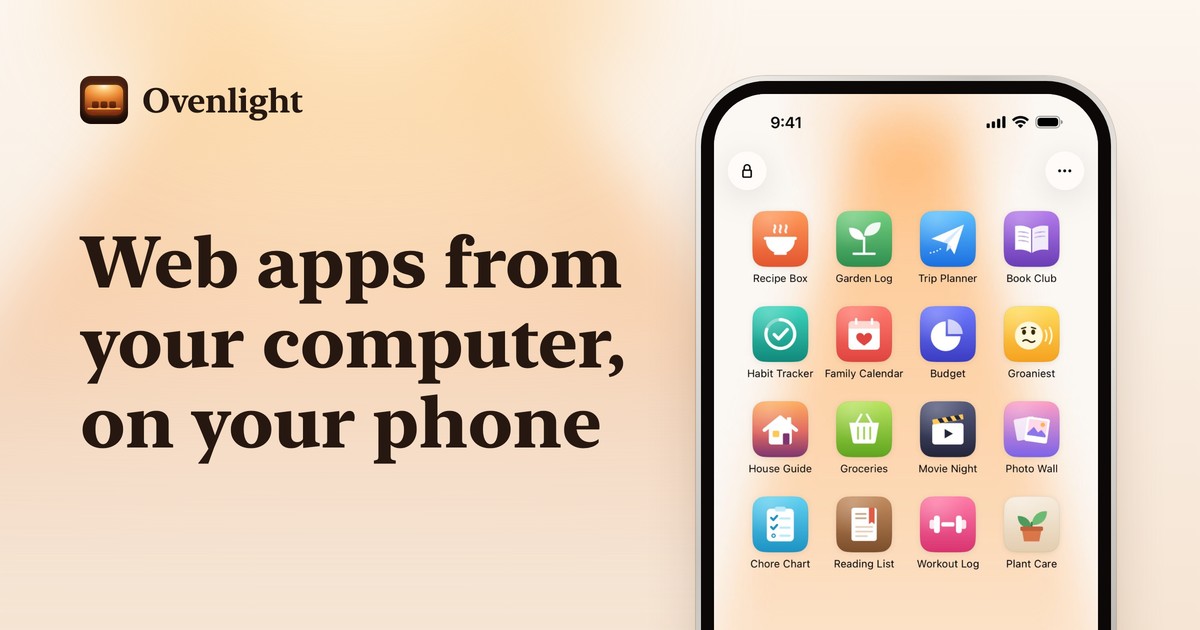
Your apps, on the phones of the people you made them for · Ovenlight
Cooking up apps with AI? Serve them to your family and friends from your own computer, off the public internet. They just need Ovenlight on their phone.
What Isn’t There an App For? (Published 2015)
A writer spent three weeks trying to improve his life through apps.

7 Great Mobile Apps for Environmentally Friendly Eating
7 Great Mobile Apps for Environmentally Friendly Eating

Your ‘App’ Could Have Been a Webpage (so I fixed it for you…)
I was asked to install a mobile app to get access to the itinerary of a trip to Disneyland I'm taking with the kids. Fuck that noise: couldn't it have just been a Web page? An hour of reverse-engineering later, it is, and it's superior in virtually every way to the "app" that it replaces.
App Croissant - Cross-Posting – App Store
Baixe o app Croissant - Cross-Posting de Innoveghtive Inc. a partir da App Store. Veja capturas de tela, classificações e avaliações, dicas de usuários e mais…

Iterations: Calendar Frenzy, Google Now, and Apple's "Anticipatory Computing" Problem | TechCrunch
Now that the Mailbox sale to Dropbox is complete, let’s move on to the next native iOS app that everyone wants to replace: The Calendar. Yes, the calendar. Nearly every other conversation I had this past week included some chatter about all the new calendar apps (see the screenshot of my iPhone). Peeling back the layers on all these calendar apps and the herd-like interest in the space, however, reveals both challenges and opportunities that go much deeper than comparing mobile apps based on product features. For those among us who use Android, Google Now is the type of anticipatory computing, powered by data and algorithmic learning, that enables a machine to guide us in life almost like an assistant would. On Apple’s iOS, however, there is no such thing like “Apple Now,” and as a result, savvy entrepreneurs are seeking to build that service as a third-party application. And, curiously, they’re using the mobile calendar on Apple to kickstart this game and using calendar "intent" to infer what to send to the user.

Manton Reece - Lex Friedman asks what an app is worth n...
The answer, to me, is you pay for an app if the care and attention the developer gives the app is more than you can afford to give. If the few bucks you’ll spend is worth more than the time you’d spend building your own version of the app.
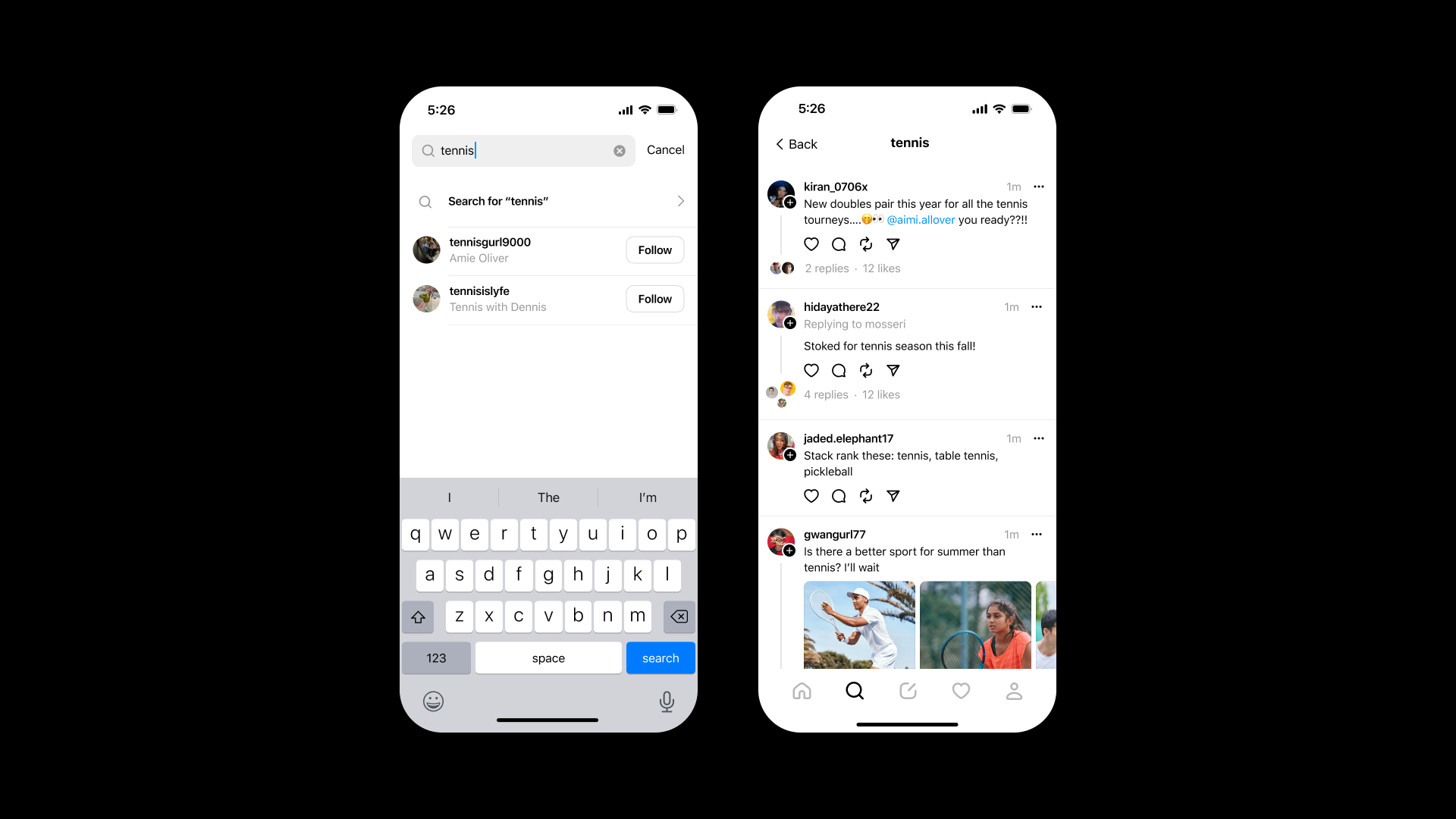
Threads: The inside story of Meta’s newest social app
Earlier this year, a small team of engineers at Meta started working on an idea for a new app. It would have all the features people expect from a text-based conversations app, but with one very ke…
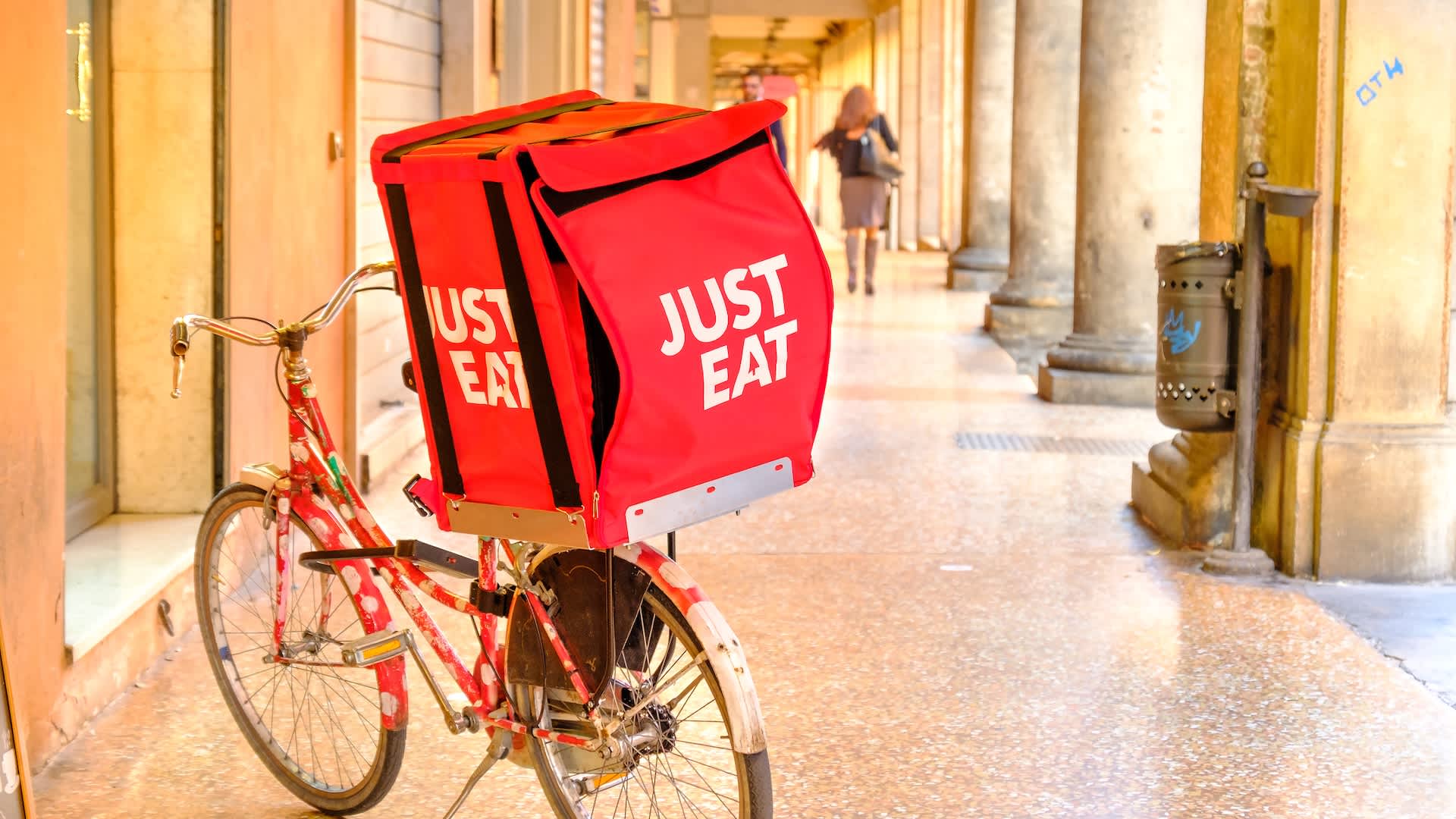
Food delivery app tries AI menu images, diners flag photo of meat and eggs floating in cola
An effort by Just Eat to make sparse restaurant menus look more complete with artificial intelligence-made food pictures instead became an online punchline.
Make Dinner: A Home Cooking Manifesto (Published 2014)
The message of the moment is to embrace the act of cooking dinner. It is an easy habit to form, and offers many benefits.

There's Life Beyond the App Store
With the imminent release of Foundation for Apps, we've been chatting a lot about apps and how they're built. We've discussed the topic internally with our team, externally with our clients and with tons of our amazing ZURB friends. Much of that discussion revolved around not just how to produce apps, but what an app really is, how they differ from websites and even the future of where they'll go.
Personal Messaging Relay - Mark's Leaflets
With the release of Germ DM for Android, our new cross-platform app relies on a complementary set of server capabilities. We've designed this architecture to…
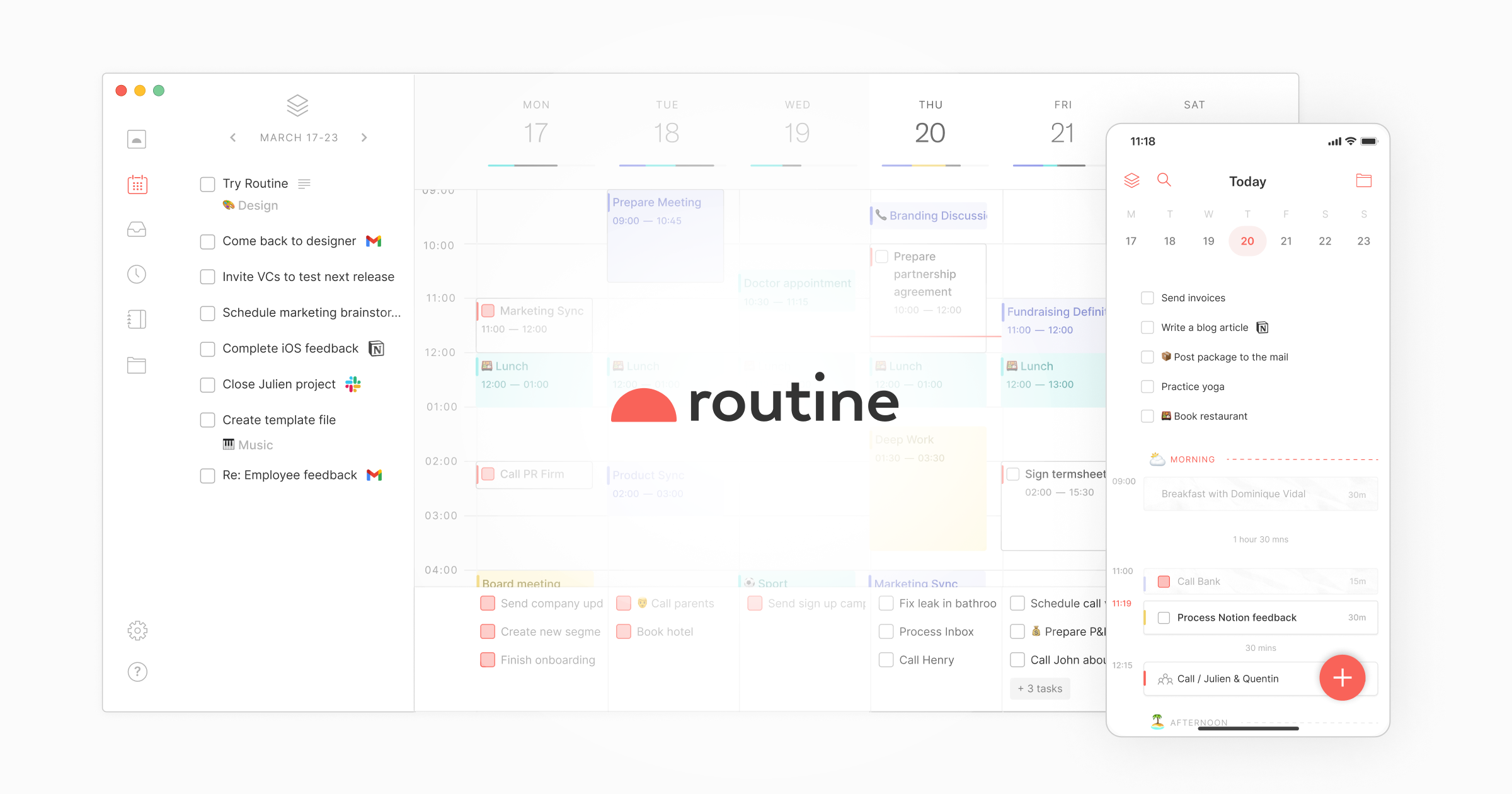
One App for Tasks, Calendar & Notes, Powered by AI · Routine
Routine combines your tasks, calendars and notes into one AI-powered workspace. Plan your day, focus on what matters and get more done
Co-creation process of an app for people with rare diseases - a citizen science approach
Background Rare diseases affect a small percentage of the population, leading to challenges such as delayed diagnoses and limited treatment options. Mobile health technologies offer solutions to improve patient outcomes, yet their application in rare diseases remains underexplored. The German citizen science project SelEe created a customizable app for the self-management of rare diseases through a co-creation process that involved patients with such conditions. Methods The project consisted of three phases. In Phase 1, 9 to 68 patients or relatives of patients participated in workshops to define research topics and app requirements. Phase 2 involved a core research team of nine patients and researchers who iteratively developed the app, released in March 2023. Phase 3 focused on evaluating the app’s usage and usability through an in-app survey conducted from March 2023 to February 2024. We utilized descriptive statistics to evaluate app usage and employed the mHealth App Usability Questionnaire to assess usability. Results The SelEe app offers the possibility to create and store data in a personalized health diary. Patients can create their own templates or use templates which were defined by the core research team. Users can record findings (e.g. blood test results) and export data using different graphs and formats. Furthermore, the app supports blind users. The app was downloaded 3040 times and 1456 users registered, with 1967 unique diseases entered. 50.7% of the diseases were rare, 30.5% non-rare, and 18.8% were classified as suspected, undefined, or symptoms. A total of 1223 valid user profiles were analyzed for app usage and demographics. Furthermore, 432 users qualified for the in-app survey by making at least one health diary entry, and 117 participated. The app was rated with an overall usability score of 5.19 out of 7. While the app’s health diary function was frequently used, other functionalities like findings and data export were less utilized. Feedback highlighted the need for improved usability and additional features. Conclusions The study highlights active patient engagement in developing a mobile health app for individuals with rare diseases. Although improvements are necessary for broader acceptance, the app is promising for the management of rare diseases. Supplementary information The online version contains supplementary material available at 10.1186/s13023-025-04140-1.

Today we’re releasing the first version of kich.io 🎉 It’s a household app for pantry tracking, recipe management, and grocery planning. The focus is practical: less waste, less planning overhead, and knowing what you can cook at a glance.
