

Ruth E. Carter is a trailblazing, two-time Academy Award-winning American film costume designer, celebrated for her work in bringing to life the vibrant and culturally rich costumes of “Black Panther." Carter made history as the first Black person to win the Academy Award for Best Costume Design, securing Marvel Studios' first Oscar in the process. She repeated this groundbreaking success with “Black Panther: Wakanda Forever,” becoming the first Black woman to win multiple Academy Awards in any category and the first costume designer to win for both a film and its sequel.
What do we want from Black women on screen?
From Teyana Taylor’s Oscar-nominated turn in One Battle After Another to Industry’s ruthless Harper Stern, Black women are taking on some of the most morally complex roles on screen. But what does “good” representation really mean and must it always be aspirational? Michaela Makusha investigates.

Eyes on the Prize - Chicago Reader
Over more than two decades, Haki and Safisha Madhubuti have proved that African-centered education can amount to more than a black version of history. It can also be a springboard to a bright future.
Black Panther Woman by Mary Frances Phillips | East Bay Booksellers
The first biography of Ericka Huggins, a queer Black woman who brought spiritual self-care practices to the Black Panther Party.In this groundbreaking biography, Mary Frances Phillips immerses readers in the life and legacy of Ericka Huggins, a revered Black Panther Party member, as well as a mother, widow, educator, poet, and former political prisoner.
From Besson's Dracula to Coppola: the works of art that inspired costume designer Eiko Ishioka
As Luc Besson's new Dracula - Love Lost brings the myth back to the movies, the appeal of the costumes designed by Eiko Ishioka for Coppola's 1992 film resurfaces. Clothes that transformed the vampire into an aesthetic icon, fusing art, symbolism and distant cultures.

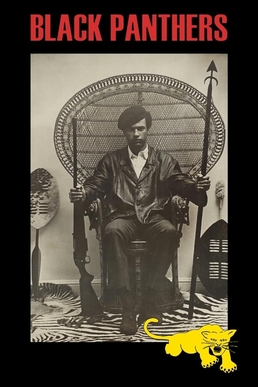
Black Panthers (film)
Black Panthers is a 1968 short documentary film directed by Agnès Varda.
National Association of Fashion and Accessory Designers (NAFAD) Collection An inventory of the collection at Syracuse University
The National Association of Fashion and Accessory Designers (NAFAD) was a trade group founded in 1949 in New York City for Black fashion professionals, who had been largely blocked from entree into the fashion industry. It was founded by Mary McCleod Bethune-Cookman and Jeanetta Welch Brown, both of whom had been actively involved in championing professional opportunities for Black women. NAFAD's work created bridges between Black fashion industry professionals and mainstream "gatekeepers" such as Vogue magazine, the Metropolitan Museum of Art's Costume Institute, and the world of Seventh Avenue designers and couturiers.
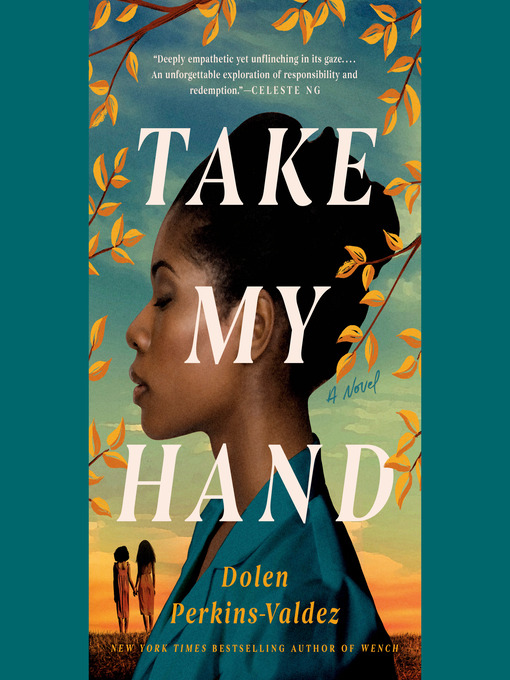
Take My Hand
Winner of the 2023 NAACP Image Award for Outstanding Literary Work - FictionDeeply empathetic yet unflinching in its gaze…an unforgettable exploration of responsibility and redemption. - Celeste NgInspired by true events that rocked the nation, a searing and compassionate new novel about a Black nurse in post-segregation Alabama who blows the whistle on a terrible injustice done to her patients, from the New York ...
Zelda Wynn, Fashion Designer to the Stars (Published 2019)
She worked her way up from a stockroom worker to specializing in accentuating the curves of performers like Dorothy Dandridge, Mae West and Eartha Kitt.

Dr. Anita Allen Makes History As The First Black Woman Police Chief In Metro Atlanta City
Mableton names Dr. Anita Allen its first police chief as the Georgia city builds a new department and prepares to hire 80 employees.

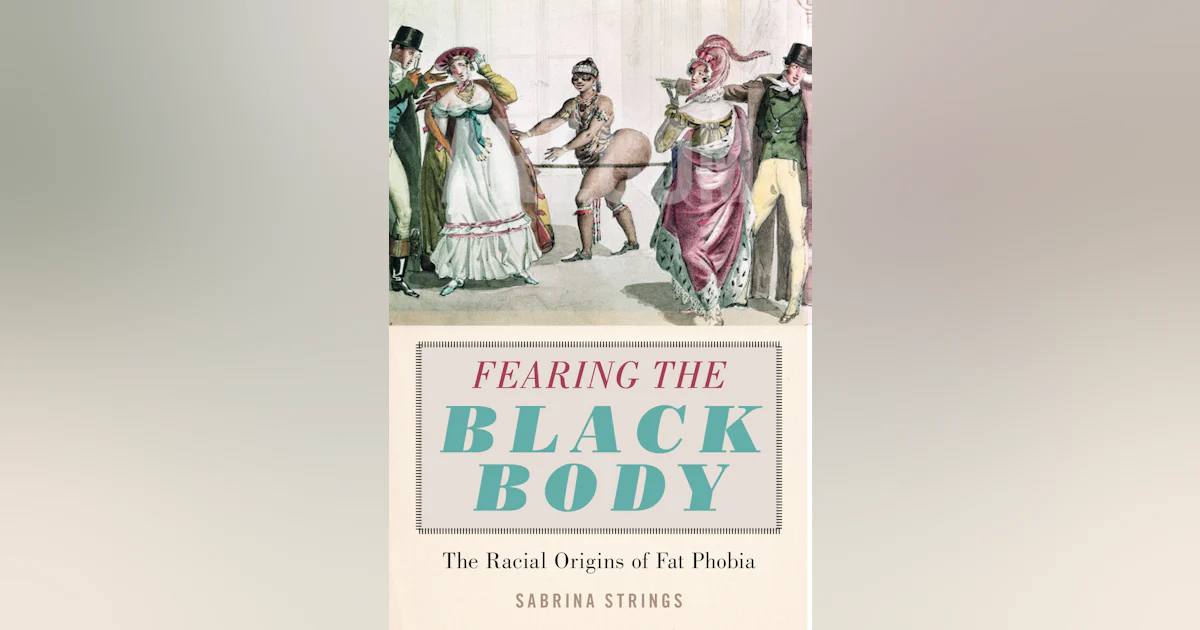
Fearing the Black Body
Winner, 2020 Body and Embodiment Best Publication Award, given by the American Sociological AssociationHonorable Mention, 2020 Sociology of Sex and Gender Di...
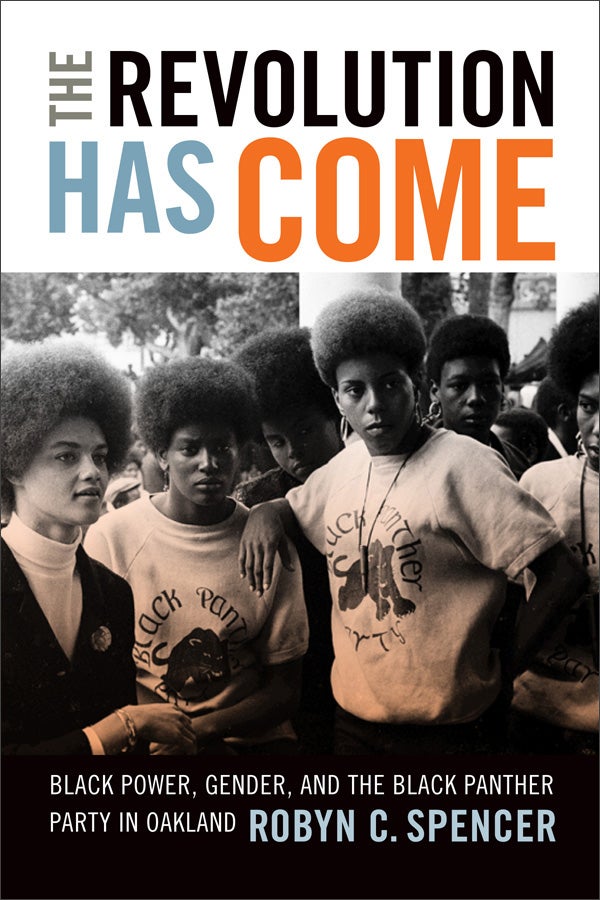
The Revolution Has Come: Black Power, Gender, and the Black Panther Party in Oakland
"Tearing down myths and distortions on virtually every page, The Revolution Has Come is the first substantive account of the Black Panther Party’s Oakland chapter—the iconic gathering that birthed the party and held on to its very last breath. Robyn C. Spencer’s incisive attention to gender, state repression, black radical alliances, philosophical and ideological debates, and the organization’s long decline makes this one of the most original studies of the Panthers to appear in years." - Robin D. G. Kelley, author of Freedom Dreams: The Black Radical Imagination

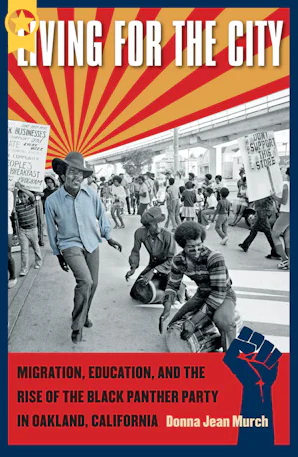
Living for the City
In this nuanced and groundbreaking history, Donna Murch argues that the Black Panther Party (BPP) started with a study group. Drawing on oral history and unt...
More Work For Mother
In this classic work of women's history (winner of the 1984 Dexter Prize from the Society for the History of Technology), Ruth Schwartz Cowan shows how and w...

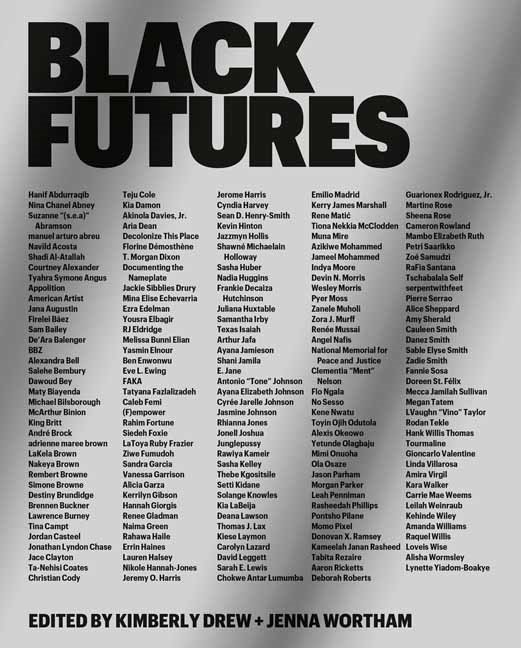
Black Futures
Check out Black Futures - <b><b>“A literary experience unlike any I’ve had in recent memory . . . a blueprint for this moment and the next, for where Black folks have been and where they might be going.”—<i>The New York Times Book Review</i> (Editors’ Choice)</b><br><br></b><i><b>What does it mean to be Black and alive right now?</b></i><br><br>Kimberly Drew and Jenna Wortham have brought together this collection of work—images, photos, essays, memes, dialogues, recipes, tweets, poetry, and more—to tell the story of the radical, imaginative, provocative, and gorgeous world that Black creators are bringing forth today. The book presents a succession of startling and beautiful pieces that generate an entrancing rhythm: Readers will go from conversations with activists and academics to memes and Instagram posts, from powerful essays to dazzling paintings and insightful infographics.<br><br> In answering the question of what it means to be Black and alive, <i>Black Futures</i> opens a prismatic vision of possibility for every reader. by Jenna Wortham and Kimberly Drew on Bookshop.org UK!
Carter Beats the Devil — Oakland Public Library
Carter Beats the Devil — Gold, Glen David, 1964- — America in the 1920s is a nation obsessed with magic. Not just the kind performed in theaters and on stages across the country, but the magic of technology, science, and prosperity. Enter Charles Carter - a.k.a. Carter the Great - a young master performer whose skill as an illusionist exceeds even that of the great Houdini. Fueled by a passion for magic born of desperation and loneliness, Carter has become a legend in his own time.<br />Carter the Great's thrilling act involves outrageous stunts carried out on elaborate sets before the most demanding of audiences. Night after night, in towns across the nation, he performs these masterful feats, bringing his unique brand of magic to those starved for wonder. But nothing in his career has prepared Carter for his most outrageous stunt of all, which stars none other than President Warren G. Harding and which could end up costing Carter the reputation he has worked so hard to create.<br/>A powerful and richly-textured novel set in 1920 follows Charles Carter, a.k.a. Carter the Great, who has become a master illustionist borne out of loneliness and desperation, as he creates the most outrageous stunt of all involving President Harding--one that could cause his downfall. 150,000 first printing.<br/>In 1920, Charles Carter, known as Carter the Great, who became a master illustionist out of loneliness and desperation, creates the most outrageous stunt of all, involving President Harding--one that could cause his downfall.