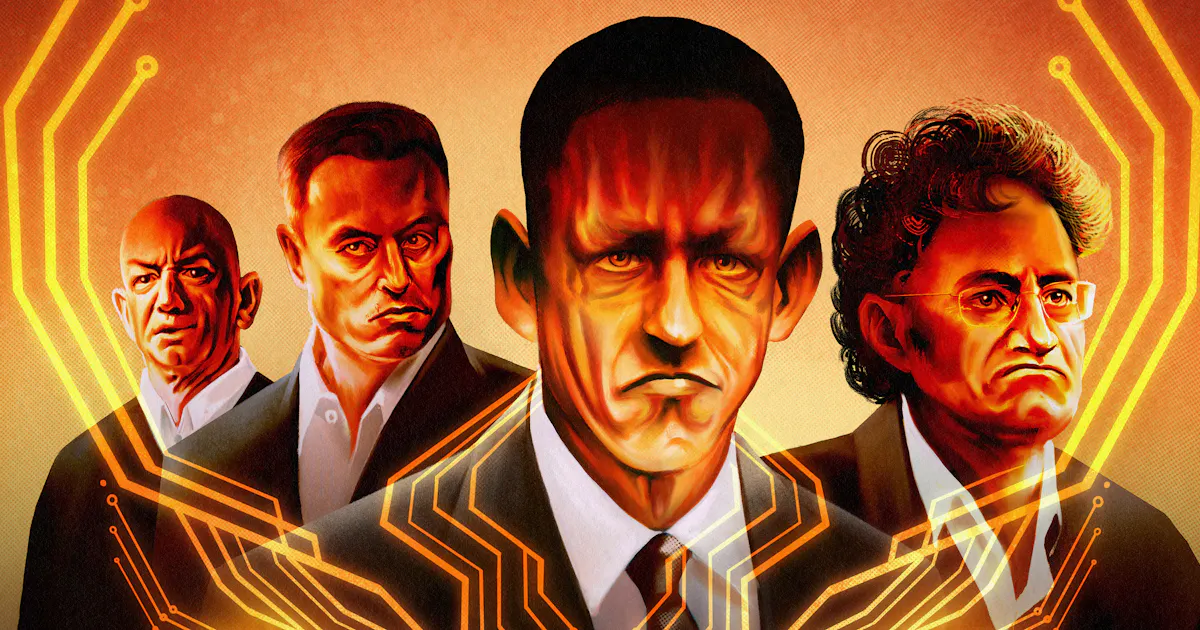
Interview: Futurist Monika Bielskyte on why tech-centric utopian thinking could end up destroying us all
Utopian media studies: Introduction
This introduction to the special issue ‘Utopian Media Studies’ sketches a framework for how media studies can become a site of utopian praxis, research and experimentation. It first addresses three apprehensions media scholars might have about the notion of utopian media studies and its appeal to a loaded concept like ‘utopia’. The introduction then outlines five sensibilities to explicate the nature and significance of this special issue’s contribution to the field: a utopian media studies must adopt an ecological approach to media; recognize and be invigorated by limits; work toward the technological liberation of time; connect imagination with practice; and emphasize and enable conditions for transmitting hope. Lastly, the introduction considers Ruth Levitas’s distinction between utopia’s archaeological, ontological, and architectural mode to map some of the concrete ways in which existing media studies research is doing utopian work that aligns with these sensibilities. In connecting work that operates in these modes with the various contributions to this special issue, the introduction reveals the utopian currents that already run through media studies as a discipline and opens up new conceptual and methodological approaches to studying and modeling digital utopias.

The guru of the AI apocalypse
Eliezer Yudkowsky is confusing a very human obsession with death and a very modern fear of a techno-deity

Bizarre and Dangerous Utopian Ideology Has Quietly Taken Hold of Tech World
“It's shaping our world right now,” says philosopher and historian Émile P. Torres.

Zuckerberg's Basilisk: The coercive threat of the singularity · EmilyGorcenski.com
Futurists’ visions of digital immortality and the Metaverse may not be as utopian as they seem. Do big tech’s current models betray a coercive futur

A Thesis on the History of the 21st Century: Technocracy, AI, and the End of the World
Reviewing a trio of books by a sextet of ruling-class ideologues, Mathias Fuelling finds an ambient anxiety hanging over a perceived crisis in American capitalism, with visions of bolstering a Silicon Valley-led technocracy fueled by AI investment reflecting American fears over the dawn of a "Chinese Century."
Trust — Utopian conspiracy
A network of utopian conspirators, a sandbox for their creative, technical and critical projects, and a site of experimentation for new ways of learning together.

Silicon Valley's New Religion: Peter Thiel's Tech Apocalypse
A strange essay reveals how Silicon Valley elites are creating an apocalyptic techno-religion to rule the future of civilization

Technopoly: The Surrender of Culture to Technology
A witty, often terrifying that chronicles our transform…

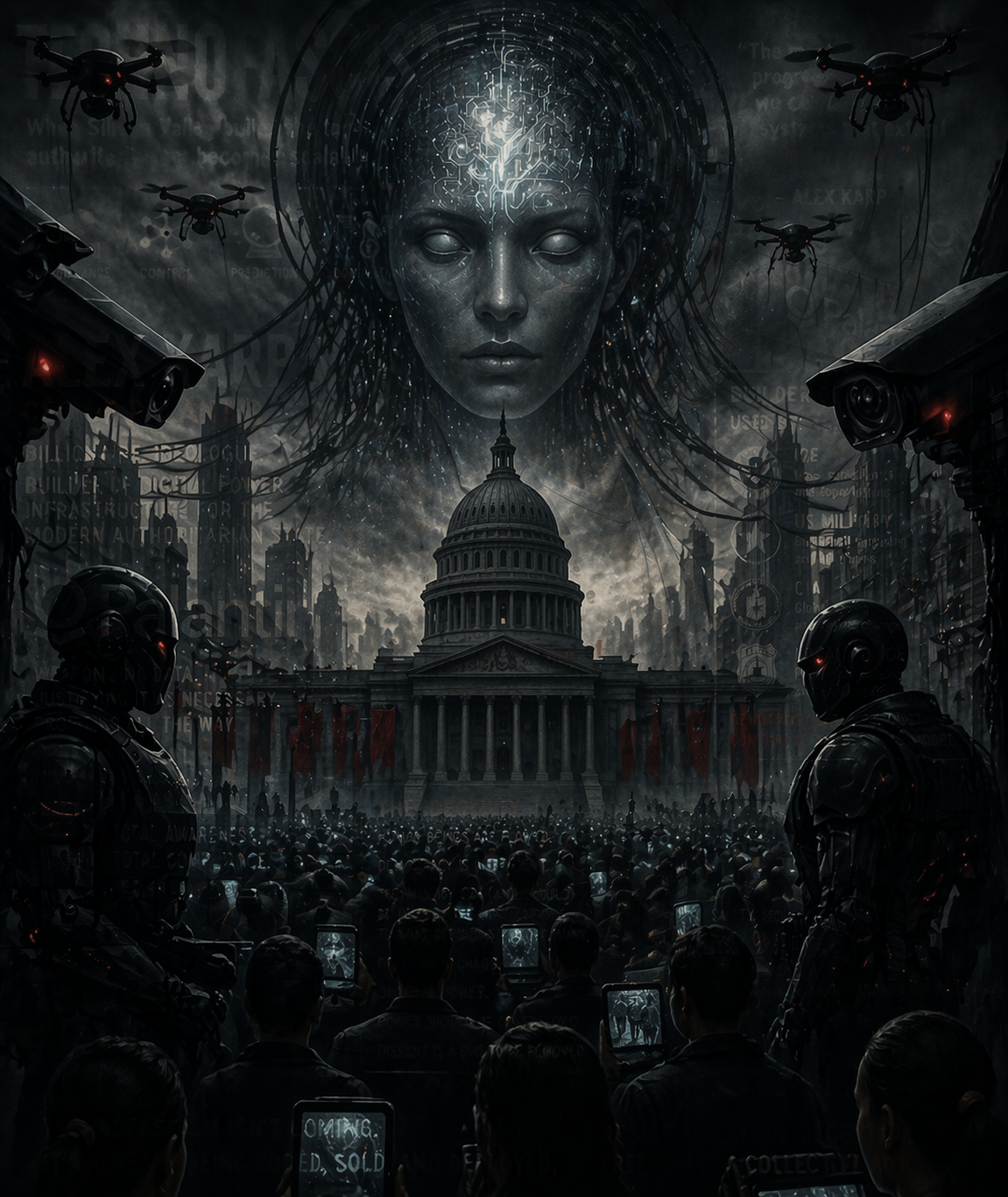
The scent of Musk: Power, charisma and paranoia in Silicon Valley
Technorealists, the silent majority? · Openness Praxis
you might find yourself standing in the unremarkable center
Against The Singularity | TechCrunch
Ray Kurzweil's predictions of the Singularity annoy me sufficiently that I once sat down to write a TechCrunch column attacking them. A brief primer: Singularity theory argues that our exponential technological growth will, several decades hence, culminate in an unimaginable transcendence that redefines humanity, sentience, and/or reality. It is also known as the Rapture of the Nerds

Techno-capitalism, Crisis Epistemology, and Disaster Ableism: How (not) to Respond to Generative AI in Higher education (My presentation @ #PhiDisSocCh6)
Introduction Techno-capitalism is a social system dominated by technology-driven capital, in which technological development is a primary vehicle for wealth concentration. Professors are currently …

How the Tech World Turned Evil
Once upon a time, they were counterculture idealists bringing power to the people. Today they’re greedy monopolists who’d sooner destroy our democracy than be reined in by government in any way—and they have to be stopped.